Hmindustry > News > Events > Federal Government Unveils Plans To Bridge Industrial Financing Gap as IRWG Ministerial Roundtable 2.0 Holds in Lagos.
Federal Government Unveils Plans To Bridge Industrial Financing Gap as IRWG Ministerial Roundtable 2.0 Holds in Lagos.
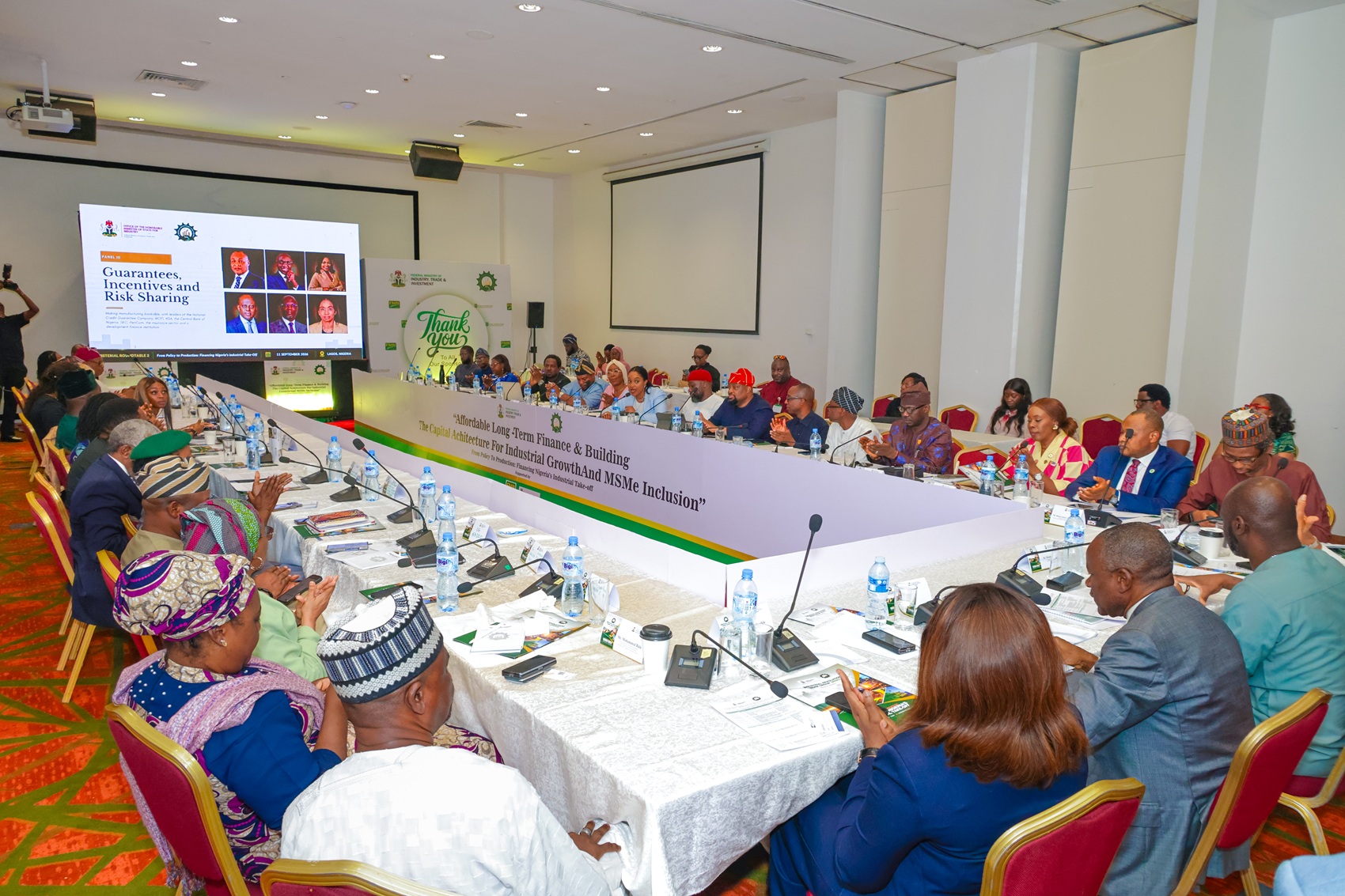
Roundtable proposes National Industrial Finance Compact and 30/60/90-Day Action Matrix; stakeholders to reconvene in two weeks for adoption
The Office of the Honourable Minister of State for Industry, Federal Ministry of Industry, Trade and Investment (FMITI), through the Industrial Revolution Work Group (IRWG), on Friday convened the Ministerial Roundtable 2.0 on Affordable Long Term Finance & Incentives, under the theme “From Policy to Production: Financing Nigeria’s Industrial Take Off,” bringing together senior government officials, development finance institutions, commercial banks, capital market institutions, manufacturers and MSMEs stakeholders to chart a coordinated path towards affordable, long term industrial finance.
Delivering the Keynote Address on behalf of the Honourable Minister of Finance and Coordinating Minister of the Economy, the Special Adviser on Finance and Investment noted that manufacturing investments with seven-, ten- or fifteen-year horizons are poorly served by prevailing lending conditions, and called for closer collaboration between government, regulators, development finance institutions and commercial capital providers to fix the disconnect between policy intent and actual disbursement. In a Special Address titled Financing Industrialisation Now: The Capital Question Behind the Nigeria Industrial Policy, the Honourable Minister of State for Industry emphasised the need to move from policy formulation to implementation, ensuring manufacturers can access capital that is affordable, appropriately structured and long tenored enough to support industrial investment.
The Managing Director/Chief Executive Officer of the Bank of Industry, Dr. Olasupo Olusi, presented findings showing a financing gap of about 66 percent in BOI’s 2025 pipeline N1.754 trillion applications against N645 billion in total funding — with sectors such as pharmaceuticals, mining and metals, and engineering recording gaps as high as 90 percent. He outlined BOI’s mobilisation of roughly US$7 billion from international capital markets over the past six years and called for a blended capital stack of long-term debt, equity, guarantees and project-preparation support to close the gap.
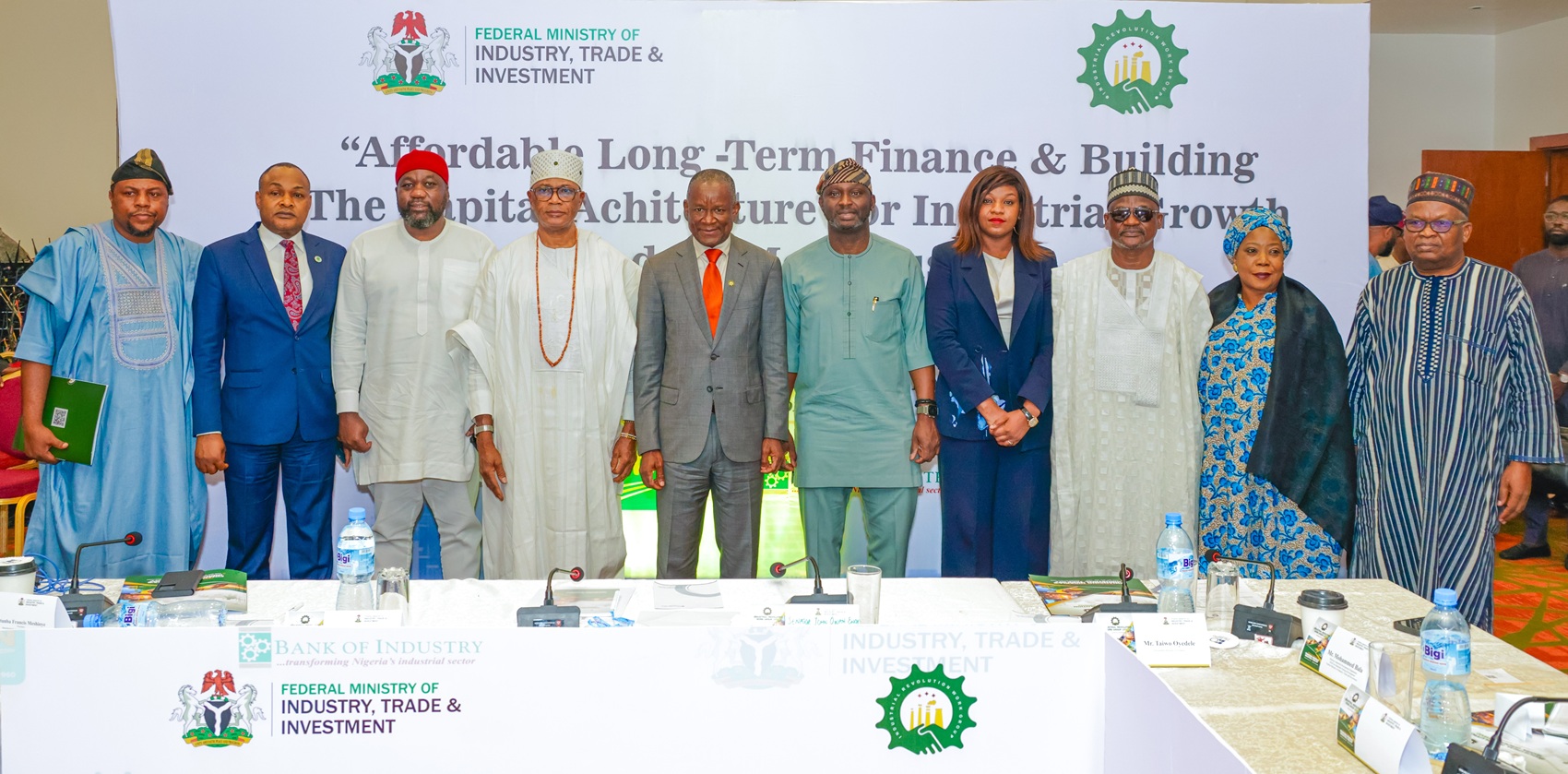
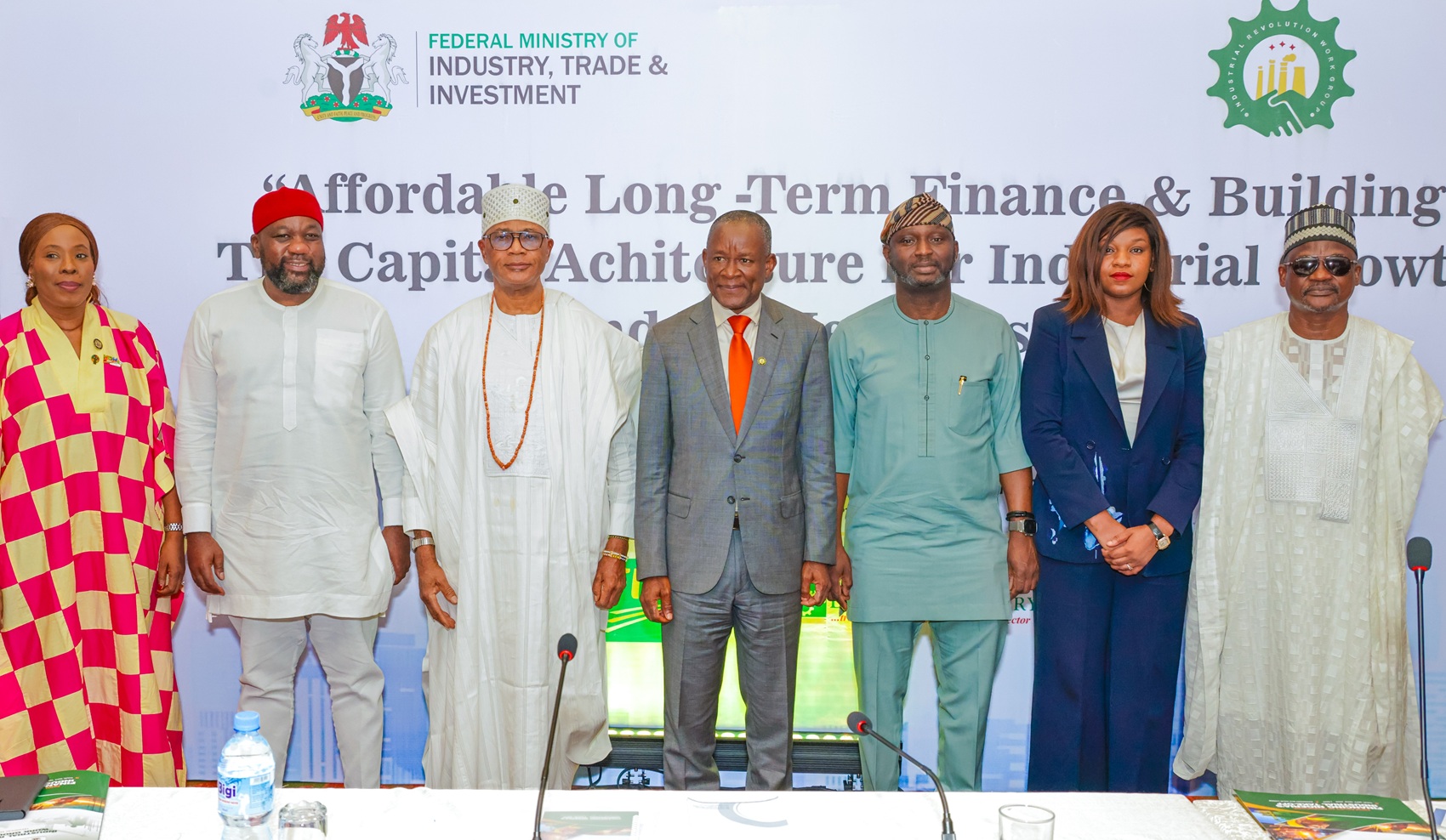
The Managing Director/CEO of the National Credit Guarantee Company (NCGC), Dr. Bonaventure Okhaimo, reported that the year-old institution has unlocked N46.95 billion in credit and issued N21.59 billion in guarantees across 25 states and the FCT, supporting over 67,500 borrowers and impacting more than 661,000 jobs through its partial credit guarantee model, which shares up to 60 percent of eligible credit losses with participating financial institutions. The Executive Director of FATE Foundation, Ayomide Akindolie Igwe, presented a proposed MSME Credit Framework combining enterprise-readiness assessment, credit guarantees and alternative underwriting, noting that while MSMEs account for about 96 percent of registered businesses and 80 percent of employment, they receive only about 1 percent of private credit. Three thematic panels on long-term industrial capital, MSME credit and collateral reform, and guarantees and risk-sharing, examined practical measures to align capital with the realities of industrial investment and agreed that finance must ultimately be judged by its ability to translate into installed productive capacity, jobs and export growth.
The Roundtable also received a proposed National Industrial Finance Compact, “Building the Capital Architecture for Industrial Growth and MSME Inclusion,” featuring twelve priority financing instruments led by institutions including BOI, NCGC, the Development Bank of Nigeria, NEXIM, Afreximbank, InfraCorp and the Africa Finance Corporation, alongside a proposed 30/60/90-Day Action Matrix for implementation. Participants agreed that the Compact requires further technical review and stakeholder consultation and will reconvene within two weeks to consider its formal adoption. Delivering the Closing Charge, the Honourable Minister of State for Industry commended participants for a candid and productive engagement, reaffirmed the Ministry’s commitment to sustained collaboration with financial institutions and manufacturers, and urged stakeholders to sustain the momentum towards finalising the Compact.