TET

Women’s Month: Senator John Owan Enoh Visits GATIMO Garment Factory, Commends Nigerian Manufacturing Excellence

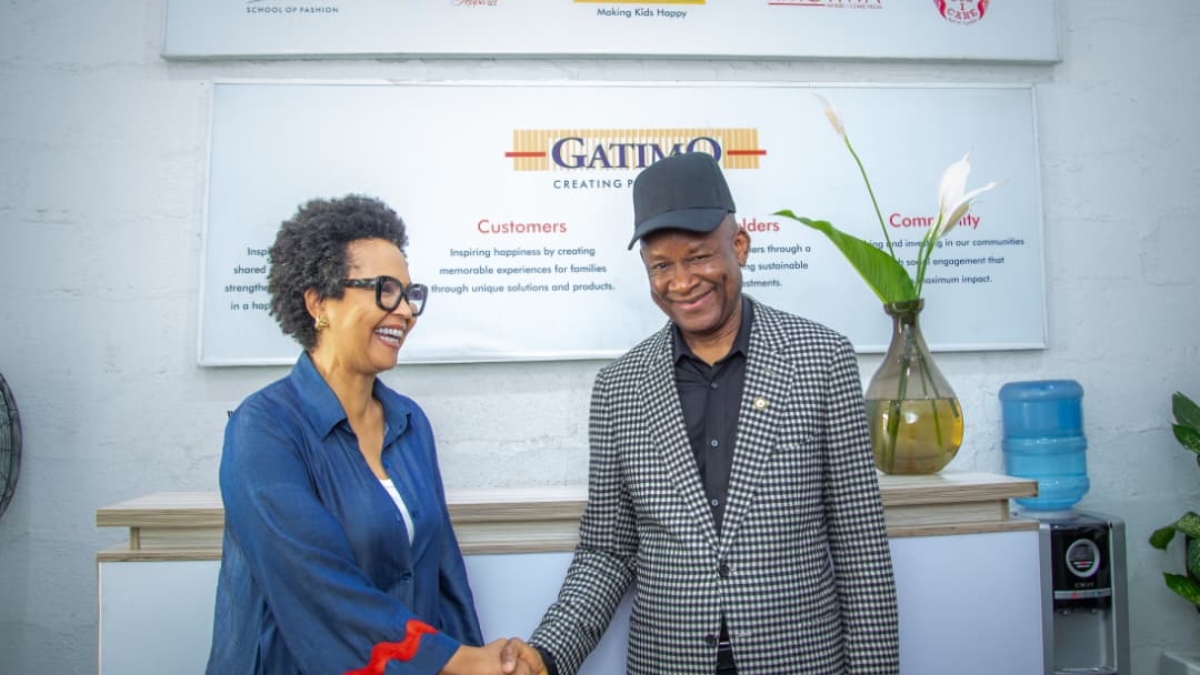
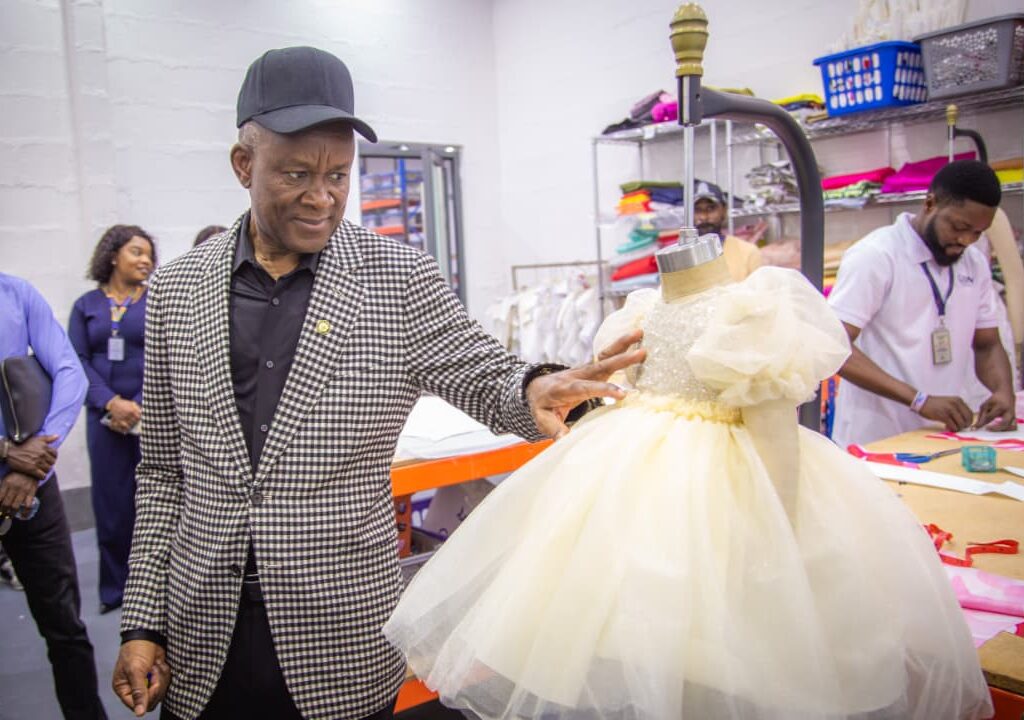
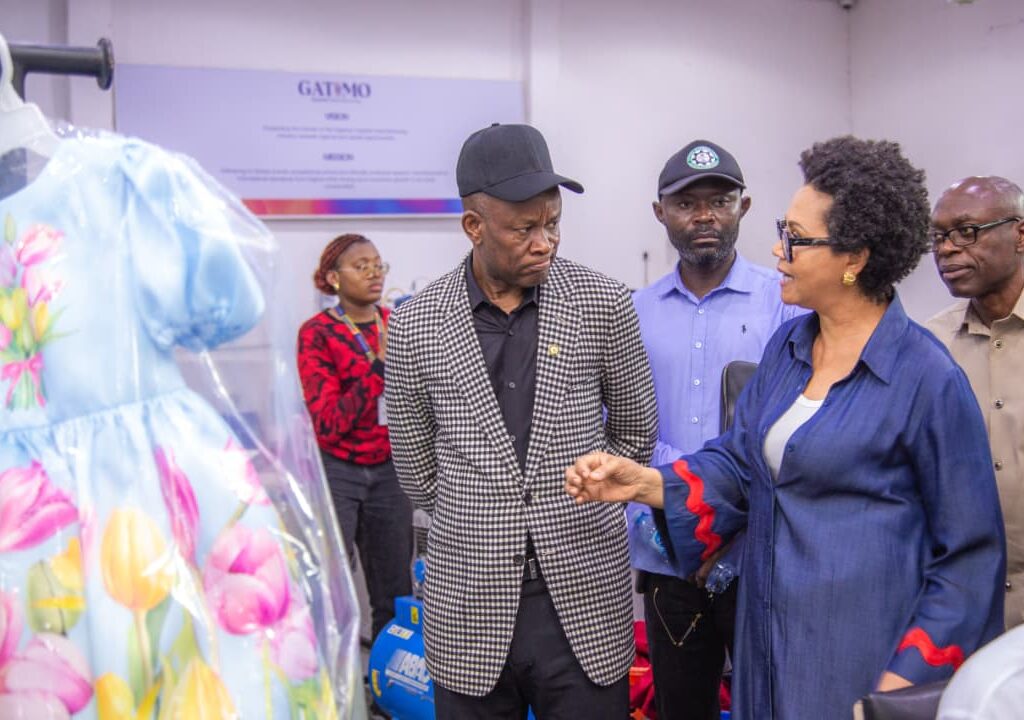
As part of activities marking Women’s Month, the Honourable Minister of State for Industry, Senator John Owan Enoh, paid a visit to the GATIMO garment production facility, the parent company of the renowned Nigerian children’s clothing brand Ruff ‘n’ Tumble.

The company was founded and is led by Mrs Nike Ogunlesi, whose work in building a strong local manufacturing brand has become a reference point for disciplined production and long term enterprise development in Nigeria.

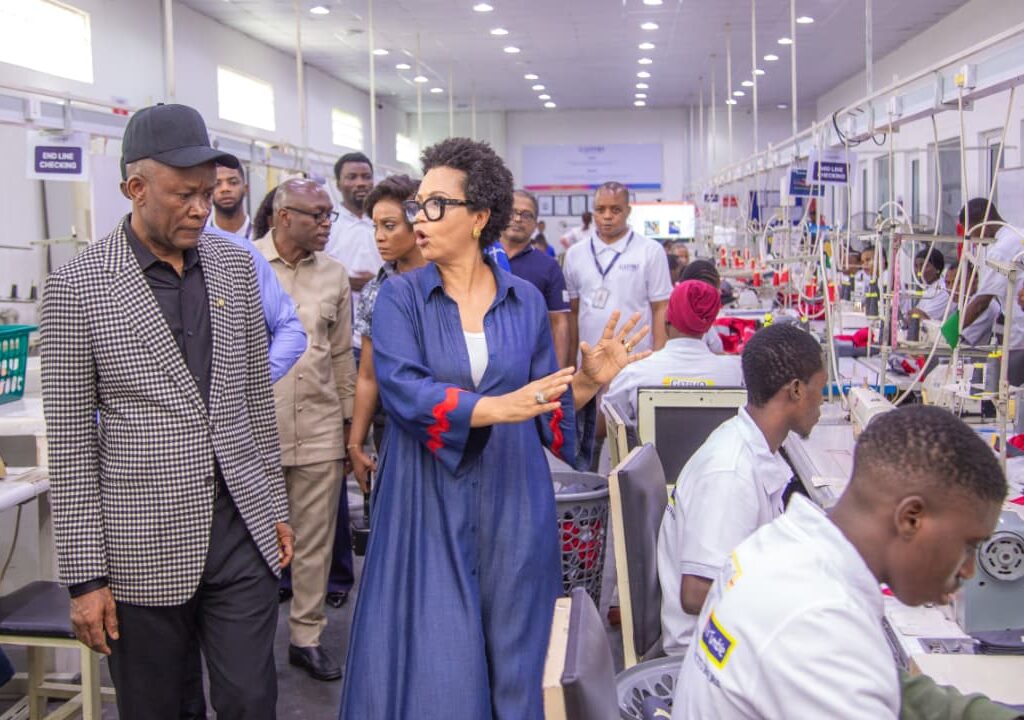
During the visit, the Minister toured the production floor and interacted with staff, observing first hand the systems and processes that have sustained the brand for more than two decades. What he encountered, he noted, was far more than a successful fashion label. It was a functioning example of structured Nigerian manufacturing.

According to the Minister, GATIMO represents the core elements required for industrial growth. These include value addition within the country, workforce training, quality control systems, and the steady development of a trusted brand rooted in local production.
Reflecting on the visit, Senator Enoh noted that leadership must remain connected to the factory floor, where policies translate into real jobs, skills, and economic value.
“In what has been a personally reflective period for me, I was intentional about spending time where real production is taking place. The factory floor is where policy meets people. It is where the true impact of industrial policy can be measured,” he stated.
He also commended Mrs. Ogunlesi for her role in building an enterprise that has created employment, transferred technical skills, and maintained high production standards within Nigeria’s manufacturing space.

The Minister emphasized that women entrepreneurs like Mrs. Ogunlesi are already making significant contributions to the industrial economy.
“Women like Mrs. Ogunlesi are not waiting for empowerment. They are already building businesses, employing Nigerians, and demonstrating that local manufacturing can compete on quality, branding, and sustainability,” he said.
Senator Enoh further explained that enterprises such as GATIMO and Ruff ‘n’ Tumble represent the type of industrial model Nigeria must scale as the country deepens its manufacturing capacity and strengthens its competitiveness under the African Continental Free Trade Area.
He added that the Federal Government remains committed to creating an enabling environment through clear policy direction, access to financing, and institutional coordination that supports the growth of local industries.

The visit also reinforced the Minister’s guiding principle of “Give to Gain,” which he described as an economic approach that encourages deliberate government support for productive enterprises.
“When government provides policy clarity, structured financing pathways, and institutional alignment, the country gains stronger factories, better jobs, deeper value chains, and greater export readiness,” he noted.

The Minister concluded that Nigeria’s industrial future is already taking shape through enterprises that remain committed to local production and quality standards.

His visit to GATIMO, he said, serves as a reminder that Nigerian industry is capable of building premium, competitive, and enduring brands, with women playing a central role in that transformation.

WhatsApp Image 2026-02-04 at 20.17.14

Federal Government of Nigeria Signs MoU with Asian Economic Development Committee to Advance Electric Vehicle Manufacturing

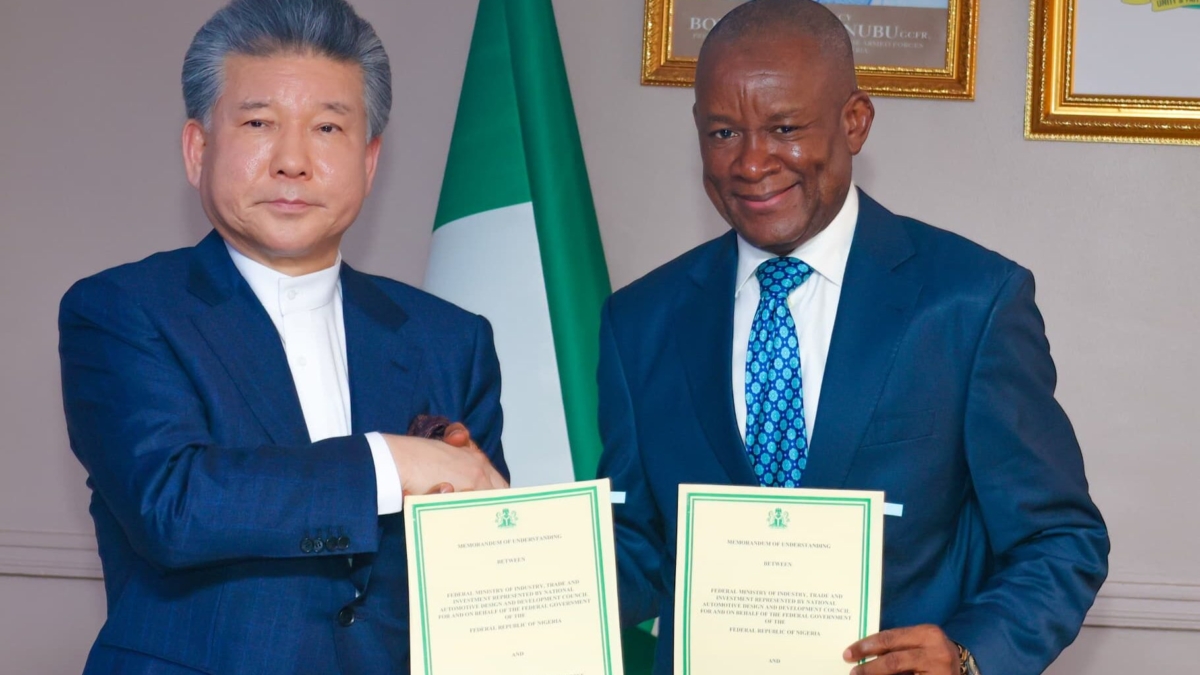
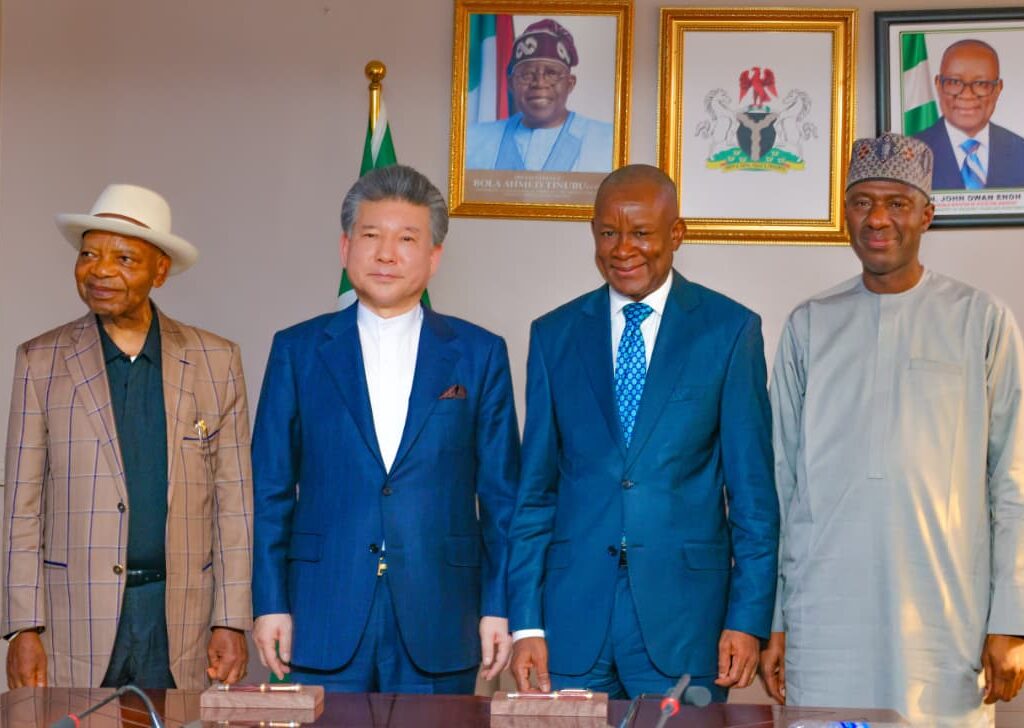
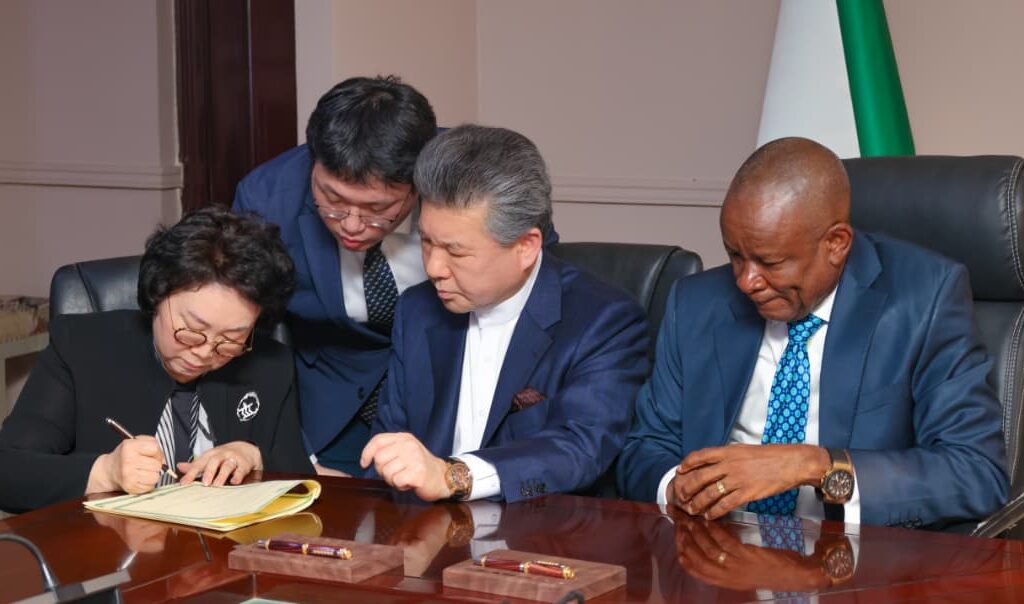
The Federal Government of Nigeria, through the Ministry of Industry, Trade and Investment, has taken a decisive step toward industrial transformation with the formal signing of a Memorandum of Understanding with the Asian Economic Development Committee.

The agreement, which signals Nigeria’s transition from industrial policy articulation to practical execution under the newly approved National Industrial Policy, underscore the government’s resolve to strengthen domestic manufacturing, reduce import dependence, and position Nigeria as a competitive industrial hub in Africa.

The partnership is anchored on four priority areas: the establishment of electric vehicle manufacturing facilities in Nigeria, the rollout of a nationwide EV charging infrastructure, structured technology transfer, and the systematic training and capacity development of Nigerian professionals. Implementation will follow a phased approach, beginning with vehicle assembly and advancing steadily toward full in-country production.

The Honourable Minister of State for Industry, Senator John Owan Enoh, stated that the agreement reflects Nigeria’s broader industrial strategy focused on value addition, job creation, and technology localization. He emphasized that technology transfer, skills development, and Nigerian participation across the EV value chain are central to the success of the initiative while signing the MoU.

The Minister further noted that the electric vehicle sector presents a unique opportunity to combine manufacturing, energy, technology, and sustainability, while reinforcing Nigeria’s Nigeria-First industrial policy. He stressed that disciplined implementation, clear timelines, and institutional coordination would be critical to translating the MoU into factories, jobs, vehicles, and lasting economic impact.

Speaking at the signing ceremony, the Permanent Secretary of the Ministry of Industry, Trade and Investment, Ambassador Nura Rimi, described the MoU as part of ongoing efforts to revive moribund industries and ensure that existing industrial capacity operates optimally, in line with the Renewed Hope Agenda of President Bola Ahmed Tinubu.

Chairman of the Asian Economic Development Committee, Mr. Yun Soo Ho, described the agreement as a historic milestone, expressing confidence in Nigeria’s ability to produce its own national electric vehicle brand and emerge as a leading EV manufacturing country on the African continent. He emphasized that the decision to transfer EV technology was driven by strong political support from the Nigerian government and the clear commitment demonstrated by the Ministry and the National Automotive Design and Development Council.
On behalf of the National Automotive Design and Development Council, representative of the Council reaffirmed their mandate to drive sustainable automotive industry development, enhance local content, and integrate Nigeria into global automotive value chains. He noted that the MoU is not merely a statement of intent but a practical bridge between Nigeria’s market potential and Asia’s manufacturing and technological expertise.

The signing of this MoU marks a defining moment in Nigeria’s industrial journey, laying the foundation for sustainable manufacturing, technological advancement, and the country’s emergence as a leading electric vehicle hub in Africa.

WhatsApp Image 2025-11-20 at 12.17.2W1

Owan Enoh Joins Key Stakeholders at National MSME Conference in Lagos

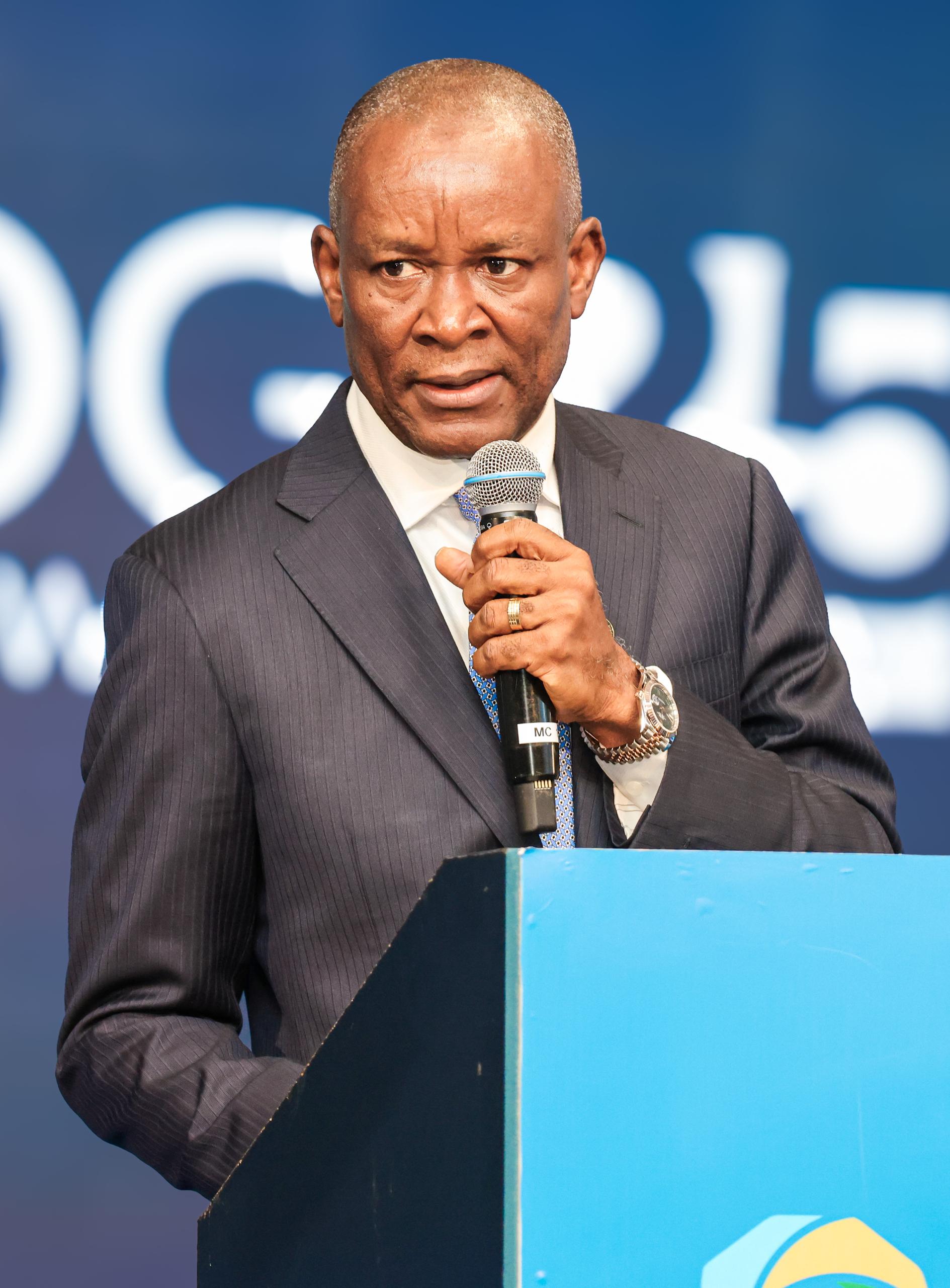
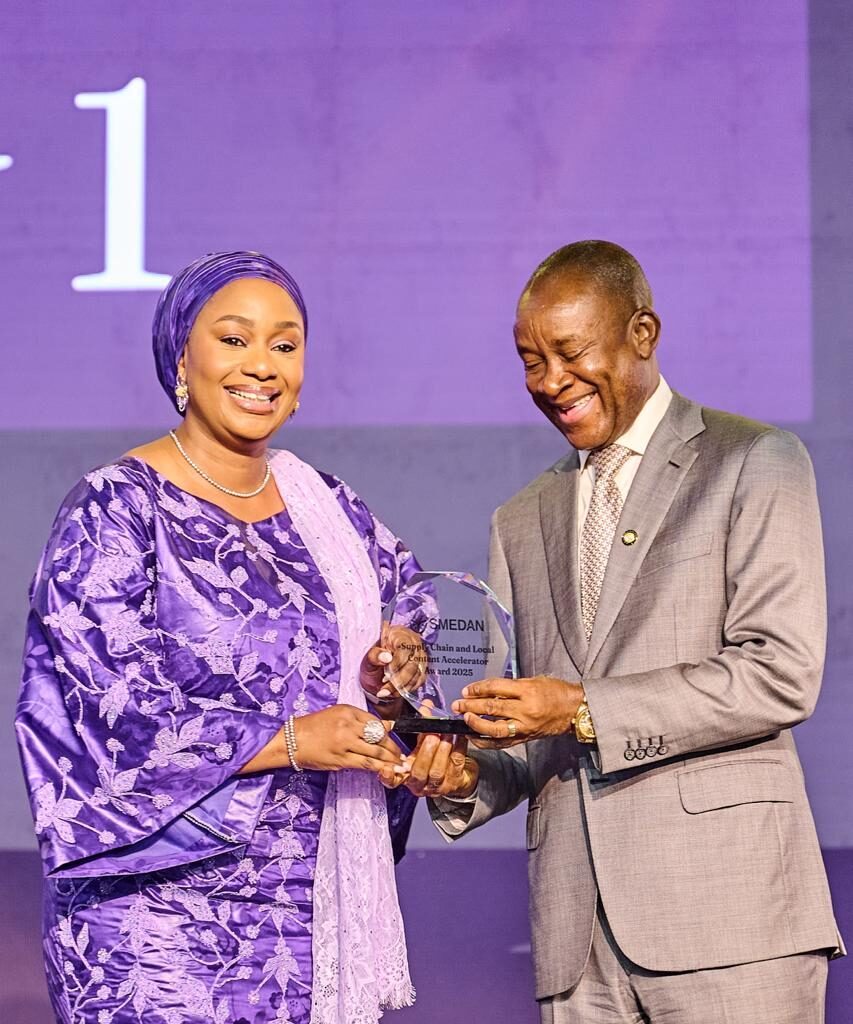
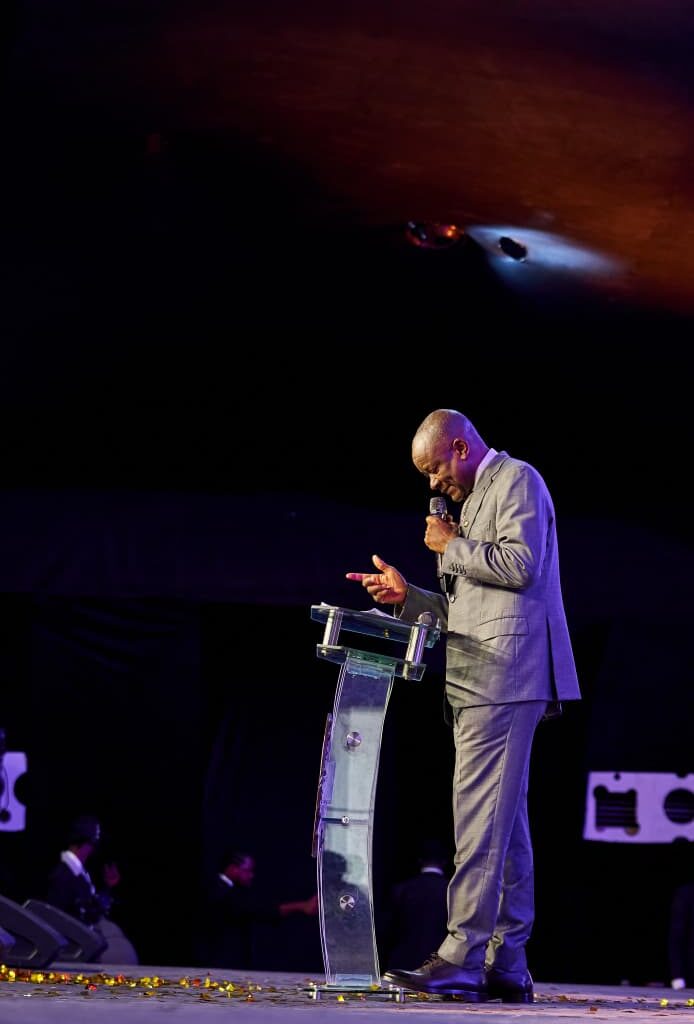
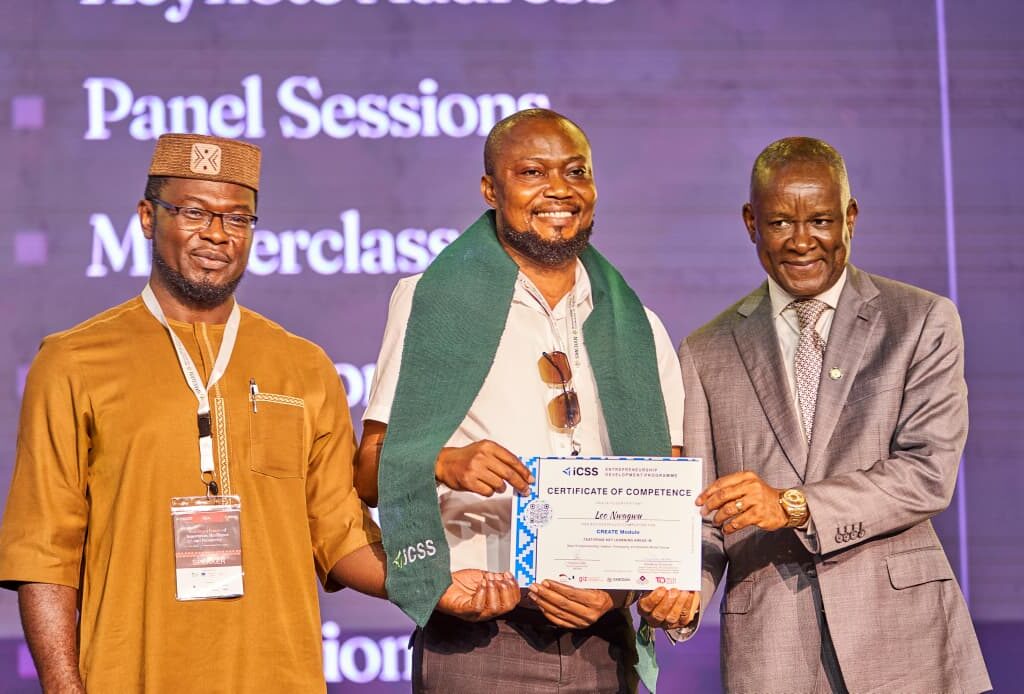
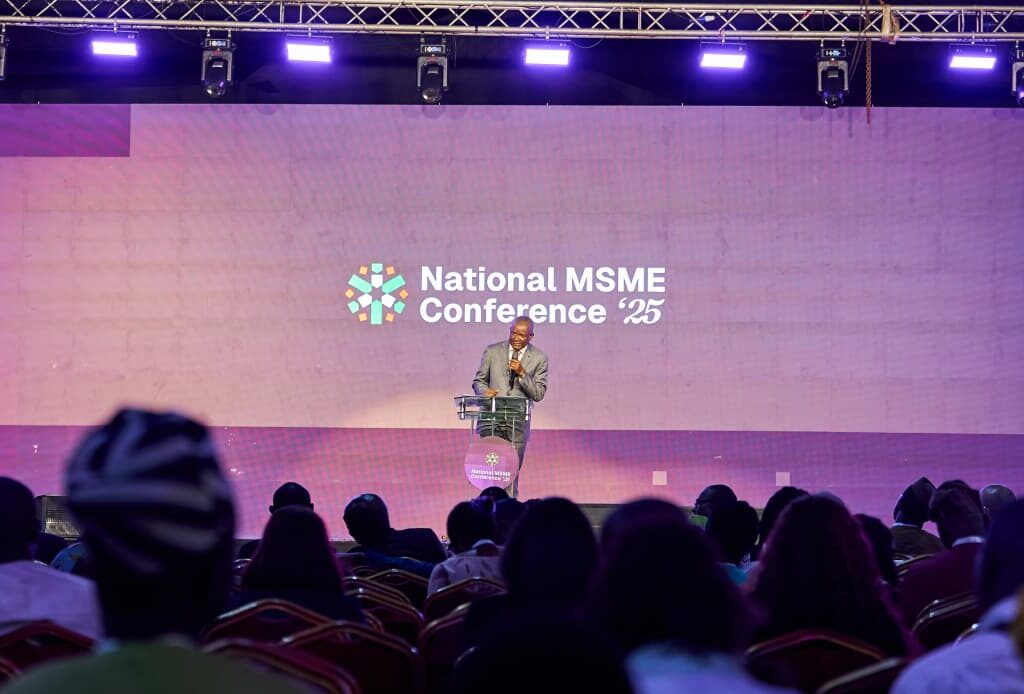
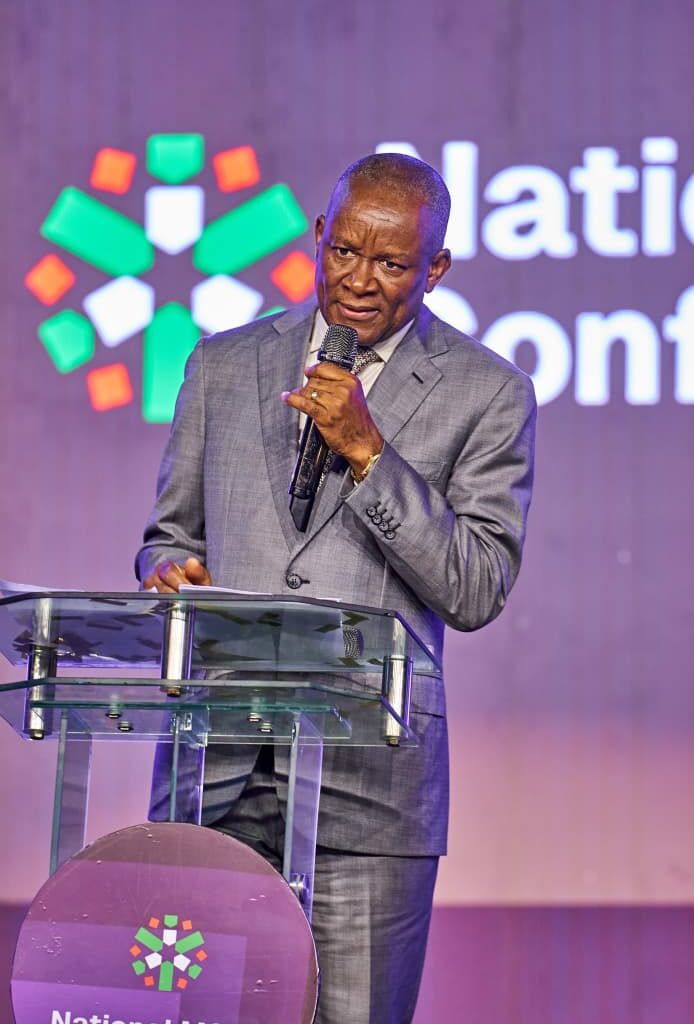
The Honourable Minister of State for Industry, Senator John Owan Enoh, yesterday joined top government and private sector leaders at the 2025 National MSME Conference held at the Federal Palace Hotel, Lagos.

The high-profile gathering, hosted by the Small and Medium Enterprises Development Agency of Nigeria (SMEDAN) under its “Grow Nigerian” initiative, focused on the theme: “Building a Future of Innovation, Resilience and Prosperity.”

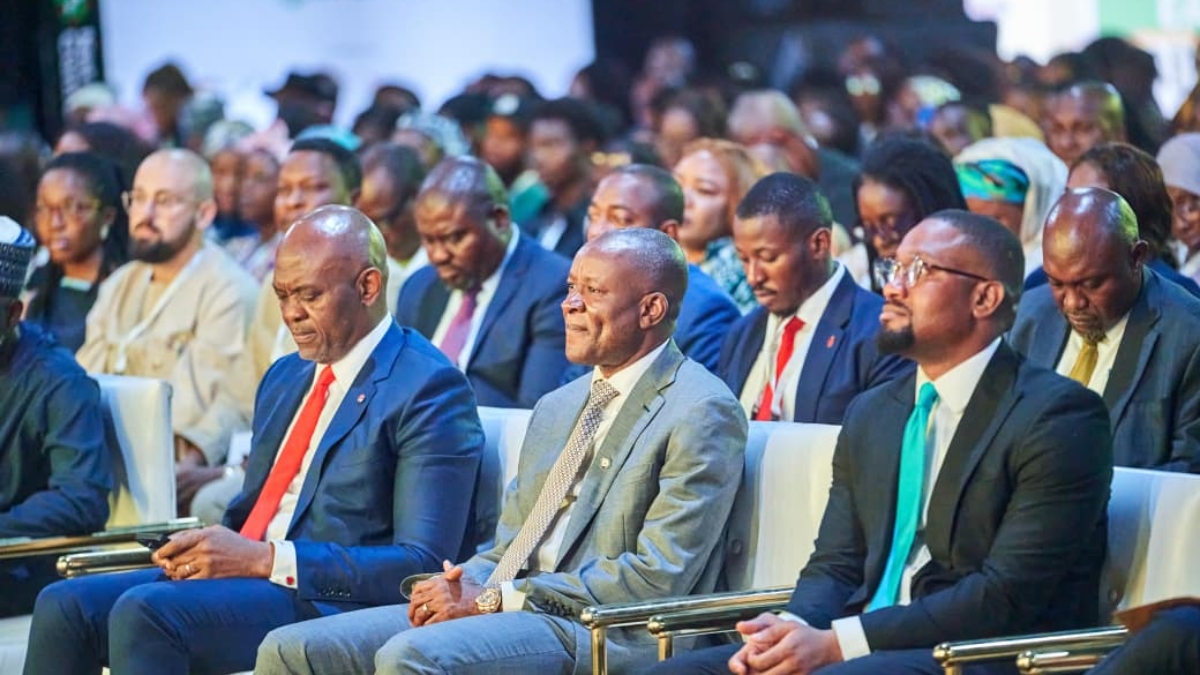
Also in attendance were renowned entrepreneur and Chairman of UBA, Tony Elumelu; the Honourable Minister of Women Affairs; representatives of the Lagos, Kaduna and Cross River State Governments; heads of major Business Membership Organisations (BMOs); and several captains of industry, financial institutions and development partners.

Senator Owan Enoh reaffirmed the Federal Government’s commitment to driving industrial expansion through MSME empowerment, noting that the subsector remains central to job creation, economic diversification and sustainable national growth.

The 3-day conference featured strategic policy sessions, exhibitions, innovation showcases and partnership engagements aimed at addressing challenges faced by entrepreneurs and unlocking greater access to finance, skills and markets.

Participants expressed optimism that the outcomes of the conference will translate into stronger support systems capable of accelerating MSME productivity and strengthening Nigeria’s overall industrial competitiveness.