WhatsApp Image 2026-07-07 at 19.15.24 (1)

Senator John Owan Enoh Reaffirms Commitment to Industrial Growth at NOG Energy Week 2026
Senator John Owan Enoh Reaffirms Commitment to Industrial Growth at NOG Energy Week 2026

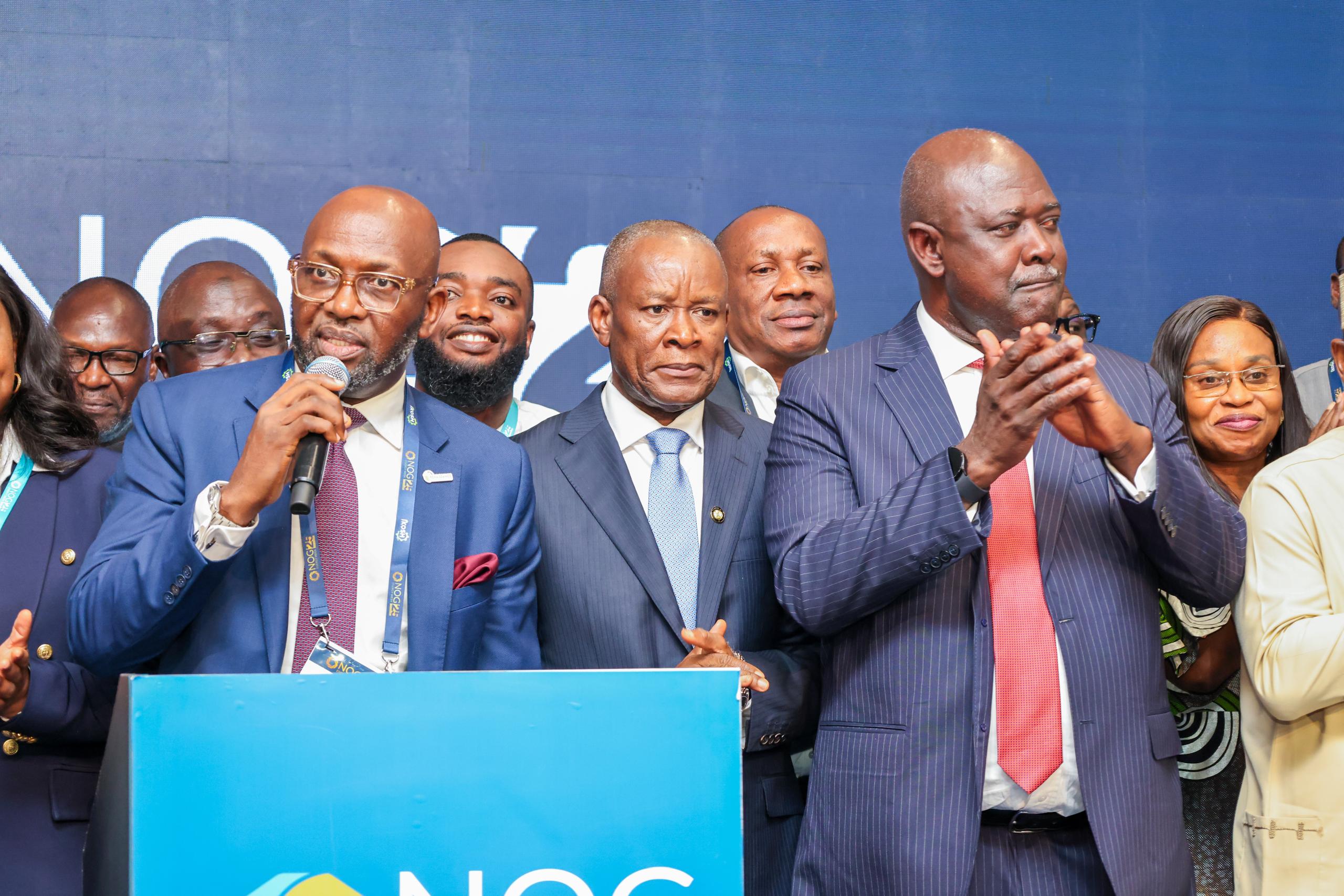
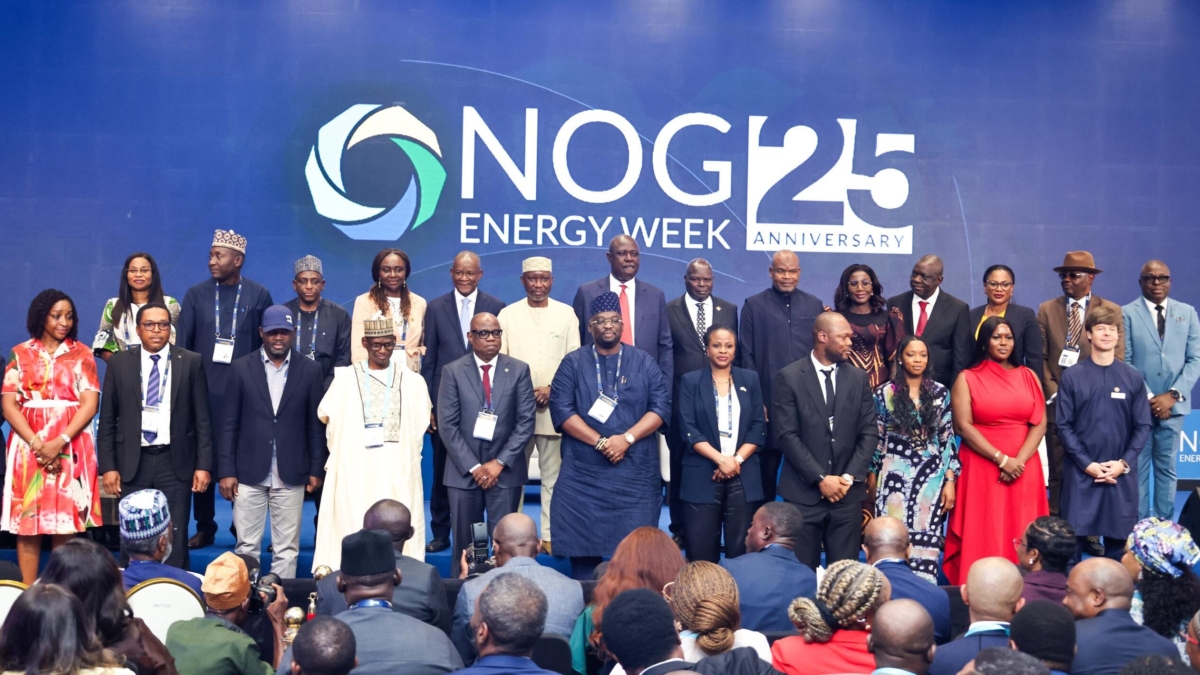
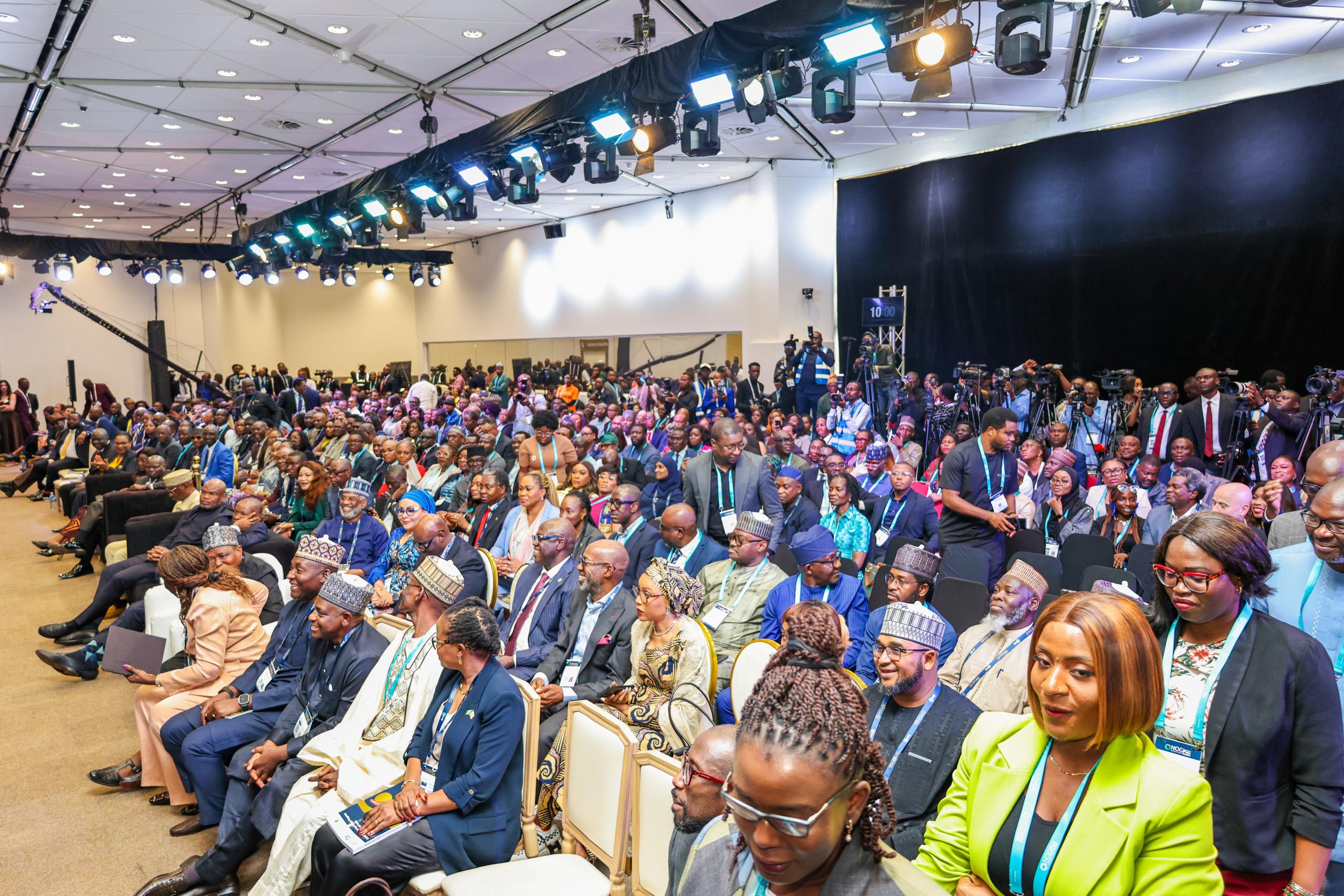
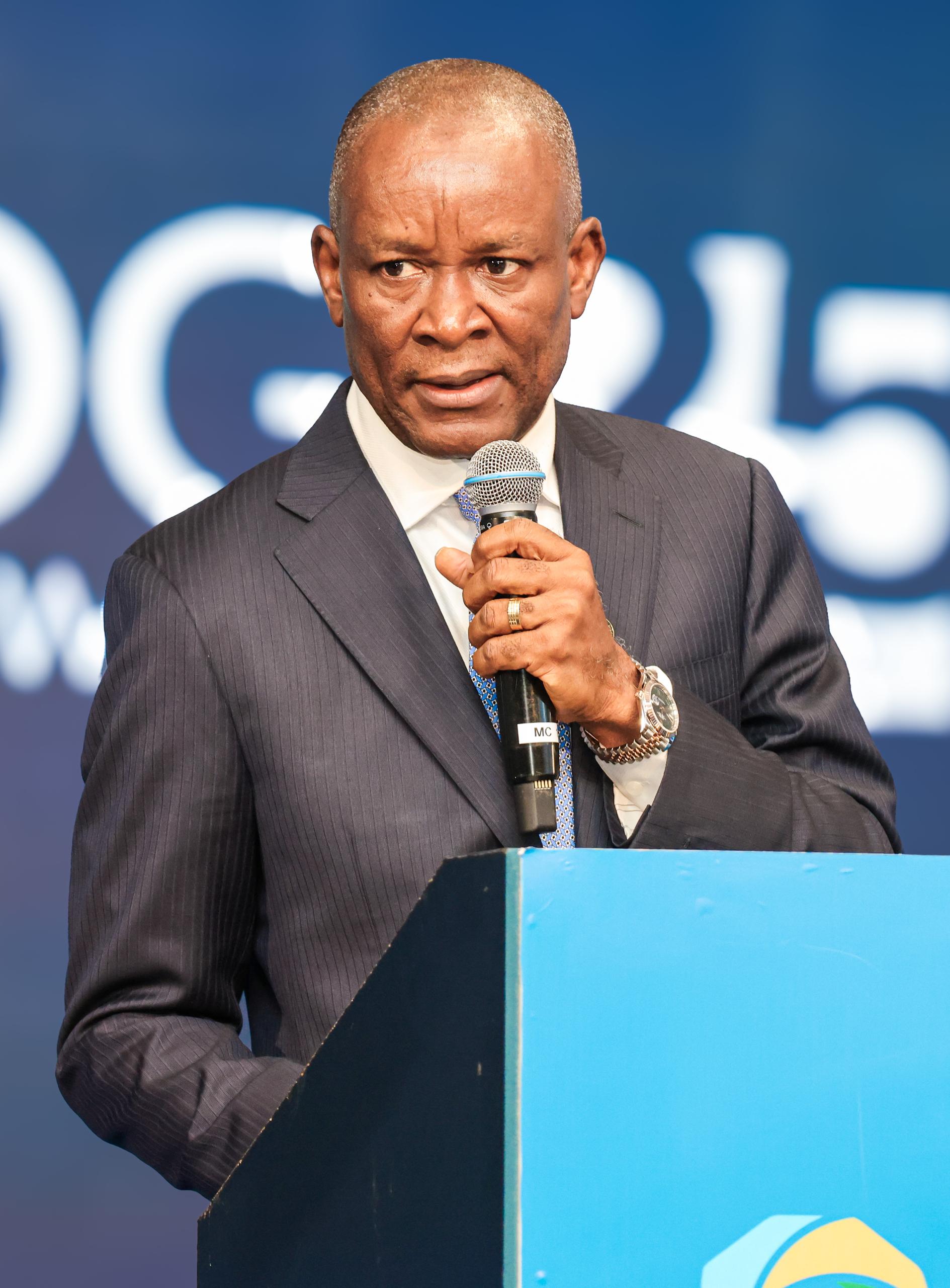
The Honourable Minister of State for Industry, , on Tuesday participated in in Abuja, reaffirming the Federal Government’s commitment to accelerating industrialisation through strategic partnerships, innovation and sustainable investment.
As one of Africa’s premier energy and industrial development conferences, NOG Energy Week 2026 brought together senior government officials, industry leaders, investors, development partners, policymakers, regulators and technology experts to explore practical solutions for strengthening Nigeria’s energy sector while advancing industrial development and economic transformation.


The conference featured high-level discussions on energy transition, infrastructure development, local content, digital innovation, manufacturing competitiveness, policy reforms and investment opportunities aimed at positioning Nigeria for long-term economic resilience and sustainable growth.
Speaking through his participation at the conference, Senator Enoh reiterated that industrial development remains a key pillar of the Renewed Hope Agenda of the administration of President . He noted that building a strong industrial base requires sustained collaboration between government and the private sector, backed by policies that encourage investment, innovation and value addition.
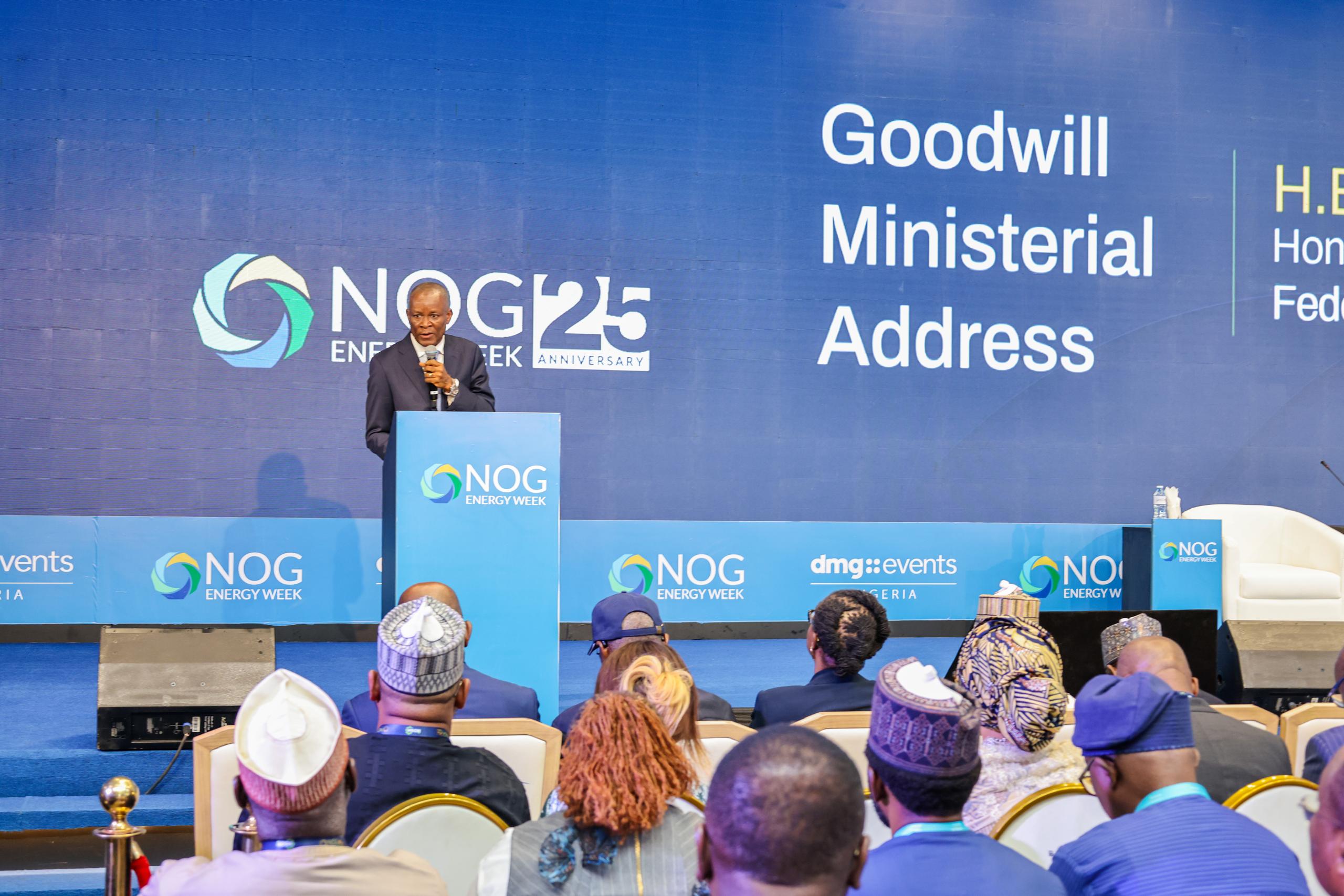
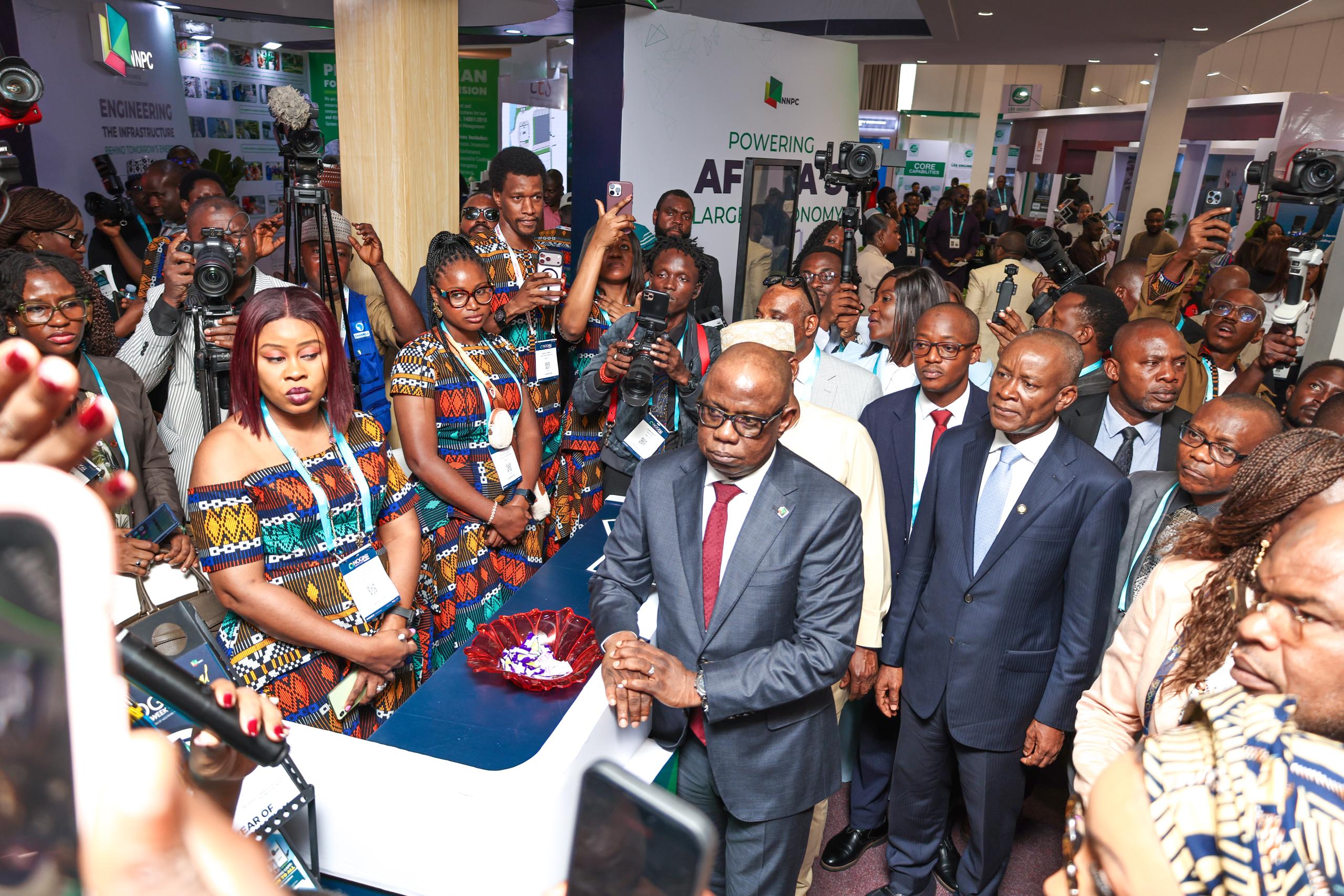
The Minister stated that the Federal Ministry of Industry remains committed to implementing initiatives that strengthen local manufacturing, support indigenous enterprises, expand productive capacity and create quality employment opportunities for Nigerians. He added that the Ministry will continue to pursue reforms that improve the ease of doing business, enhance industrial competitiveness and attract both domestic and foreign investments into critical sectors of the economy.


Senator Enoh further emphasised the importance of leveraging Nigeria’s abundant natural resources to drive industrial value chains, promote local production and reduce dependence on imports. He stressed that strategic investments in technology, infrastructure and skills development will be essential to unlocking the country’s industrial potential and positioning Nigeria as a leading manufacturing hub in Africa.


He also commended the organisers of NOG Energy Week for providing a credible platform that continues to foster dialogue, innovation and collaboration among key stakeholders in the energy and industrial sectors. According to the Minister, such engagements remain critical to shaping policies and partnerships that support sustainable industrialisation and inclusive economic development.


NOG Energy Week 2026 once again demonstrated the value of sustained engagement between government, industry and development partners in addressing emerging challenges and unlocking new opportunities across Nigeria’s energy and industrial landscape. The outcomes of the conference are expected to further strengthen collaborative efforts towards building a more competitive, diversified and prosperous Nigerian economy.
WhatsApp Image 2026-07-08 at 12.06.45

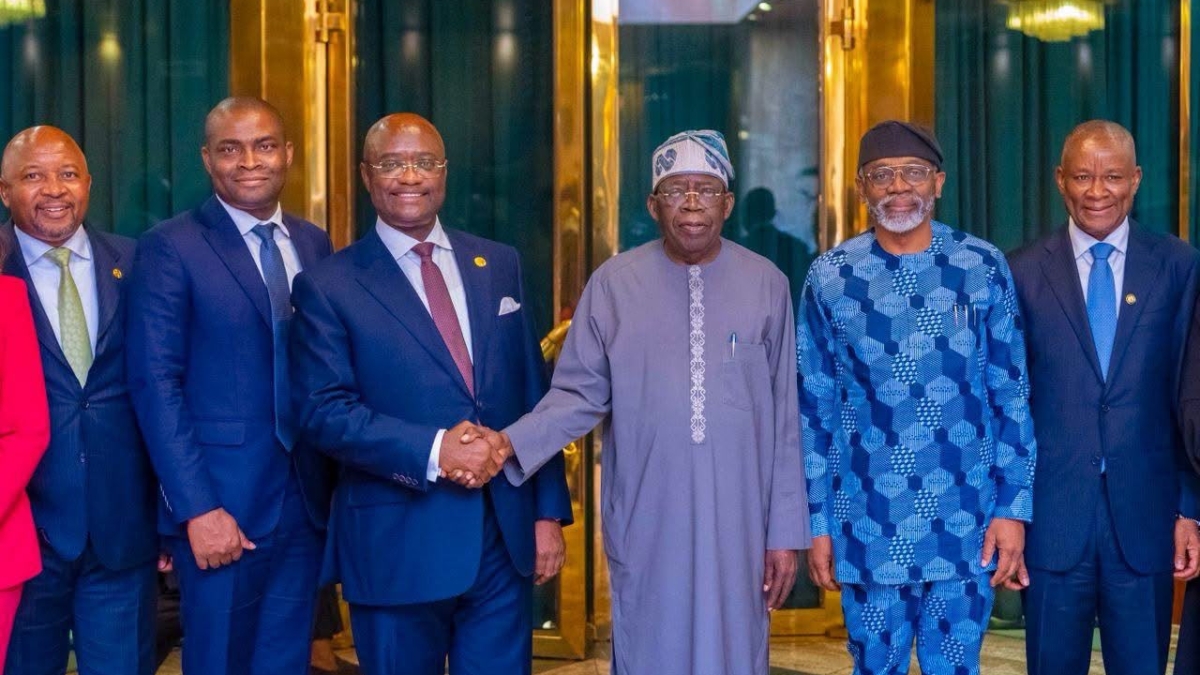
Presdident Bola Ahmed Tinubu Tasks AFREXIM Bank to Mobilize Resources for Africa’s Industrialization

Presdident Bola Ahmed Tinubu Tasks AFREXIM Bank to Mobilize Resources for Africa’s Industrialization

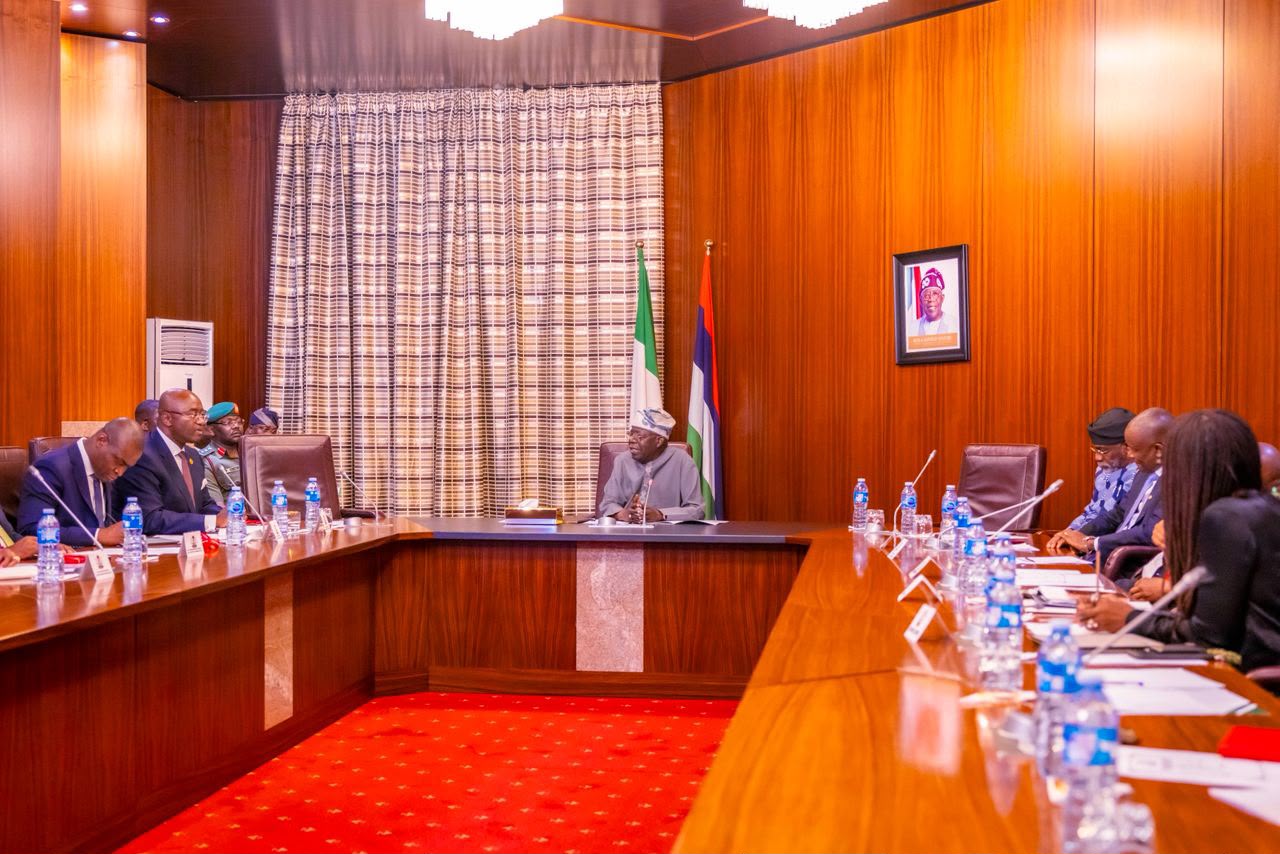
President Bola Ahmed Tinubu on Tuesday tasked the leadership of the African Export-Import Bank (Afreximbank) to intensify efforts to mobilise and deploy the continent’s vast human, financial and natural resources for the collective economic advancement of Africans, stressing that Africa’s drive to industrialisation cannot remain a subject of theoretical discussion.

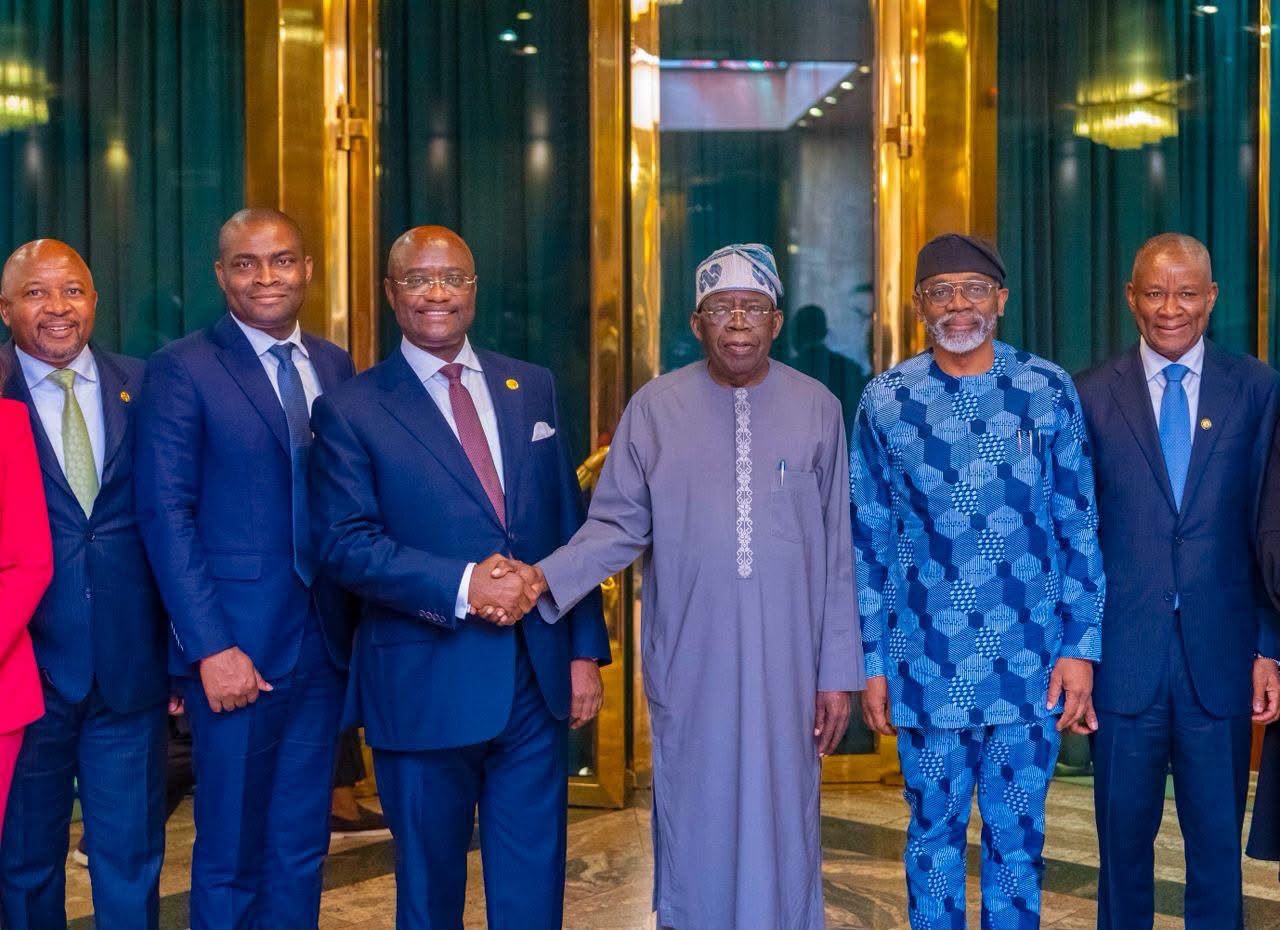
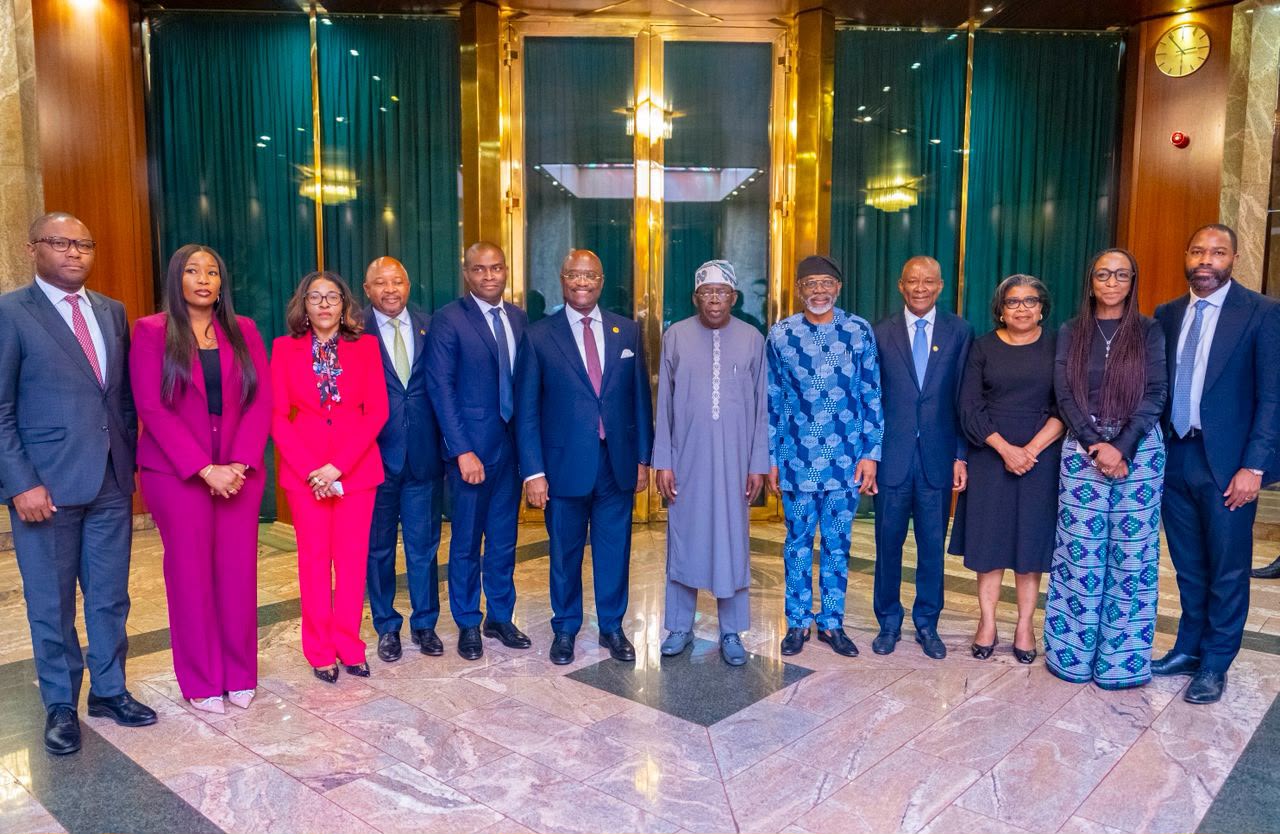
President Tinubu stated this during a visit by a delegation from Afrieximbank, led by its President and Chairman of the Board, Dr George Elombi, to the State House, Abuja.

The President said his administration’s recent economic reforms, such as ending the fuel subsidy and tackling multiple exchange rates, are essential steps to combat corruption and ensure economic survival.

President Tinubu emphasised that Africa possesses enormous potential and must move beyond endless conversations about development to practical actions that drive industrial growth, expand trade, create jobs, add value, and improve the living standards of its people.

According to him, a structured financial backing and reliable infrastructure are essential for building the continent.

“The conscience and the future of Africa depend on what you and your team can do and will do for Africa as a whole, and the time has come for us to start doing things together as Africans.

“We have what it takes to build this continent. Do we continue to exploit and export raw materials without value addition? That answer is no.

“We have solid mineral deposits such as lithium and others that can be used, and you, as the financial partner, should be able to come with investment guarantees for the production and value addition in batteries and other manufacturing ecosystems,” the President said.

Speaking on the farmer-herder clashes, the President told the visitors that his administration has turned the longstanding conflict between farmers and herders into an economic opportunity for citizens through the introduction of the Federal Ministry of Livestock Development.

“ I created the Livestock Ministry to create economic opportunities for Africans. The cotton, ginnery and garment industries are job creators. If we partner well and incorporate these ideas and do less talking and really put our heads into developmental programmes, we can turn it around,” the President said.

In his remarks, the Minister of State for Industry, Sen. John Owan Enoh, explained the President’s bold economic diversification policies, describing the administration’s Eight-Point Renewed Hope Agenda as a transformative blueprint that is repositioning Nigeria for sustainable economic growth, industrial expansion, and shared prosperity.

Enoh said President Tinubu’s commitment to industrialisation, particularly through the development of the solid minerals sector, oil and gas, manufacturing, agriculture, the digital economy, and value-added exports, is laying the foundation for a resilient economy less dependent on crude oil revenues.

The President and Chairman of Afreximbank, Dr Elombi, said he and his team were at the State House to thank the President for his support, which led to his election as the President of the Bank, as well as to brief him on the bank’s portfolios and activities in Nigeria.

According to him, the Bank has investments across trade, agricultural processing, value chain and healthcare.

He specifically informed President Tinubu of the bank’s efforts to reverse health tourism on the continent, highlighting that the Bank had invested between 15 and 20 billion dollars in the Nigerian economy over the last five years.

He invited the President to visit the African Medical Centre of Excellence (AMCE) located in Abuja.

Elombi also told the President that Afreximbank has committed US$2 billion to support Nigeria’s cotton and garment industry.

He also briefed the President on the Bank’s investment in the Lagos-Calabar Coastal Highway and the Kano-Maradi Railway line.

WhatsApp Image 2026-06-24 at 17.52.09 (1)

NBC’s Asejire Plant Expansion Reflects Growing Investor Confidence in Nigeria, Says Senator Enoh

NBC's Asejire Plant Expansion Reflects Growing Investor Confidence in Nigeria, Says Senator Enoh

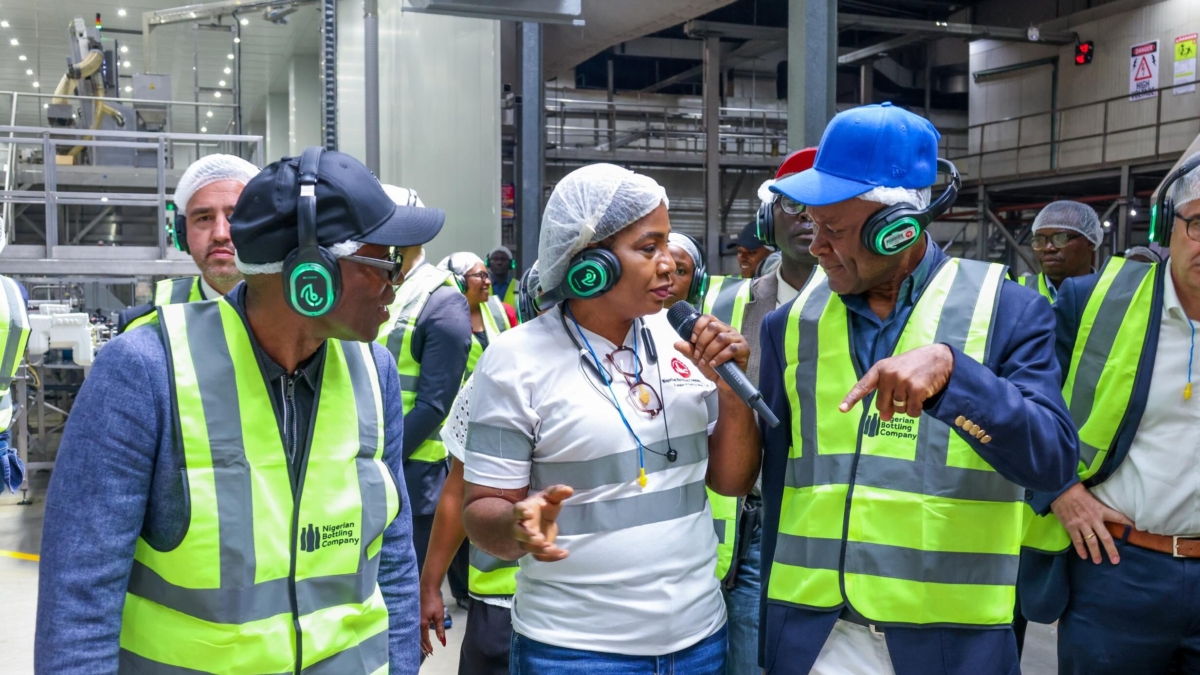
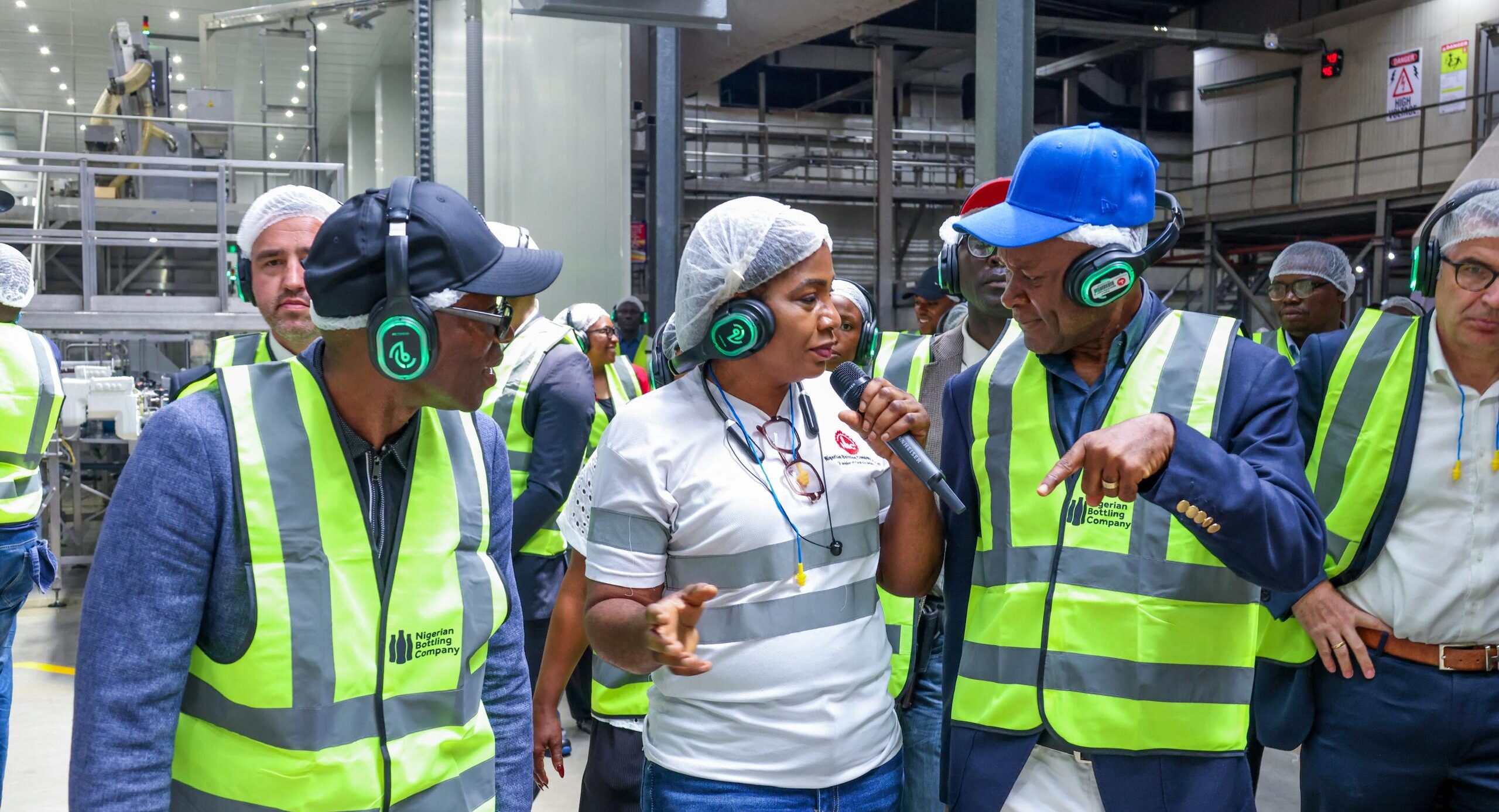
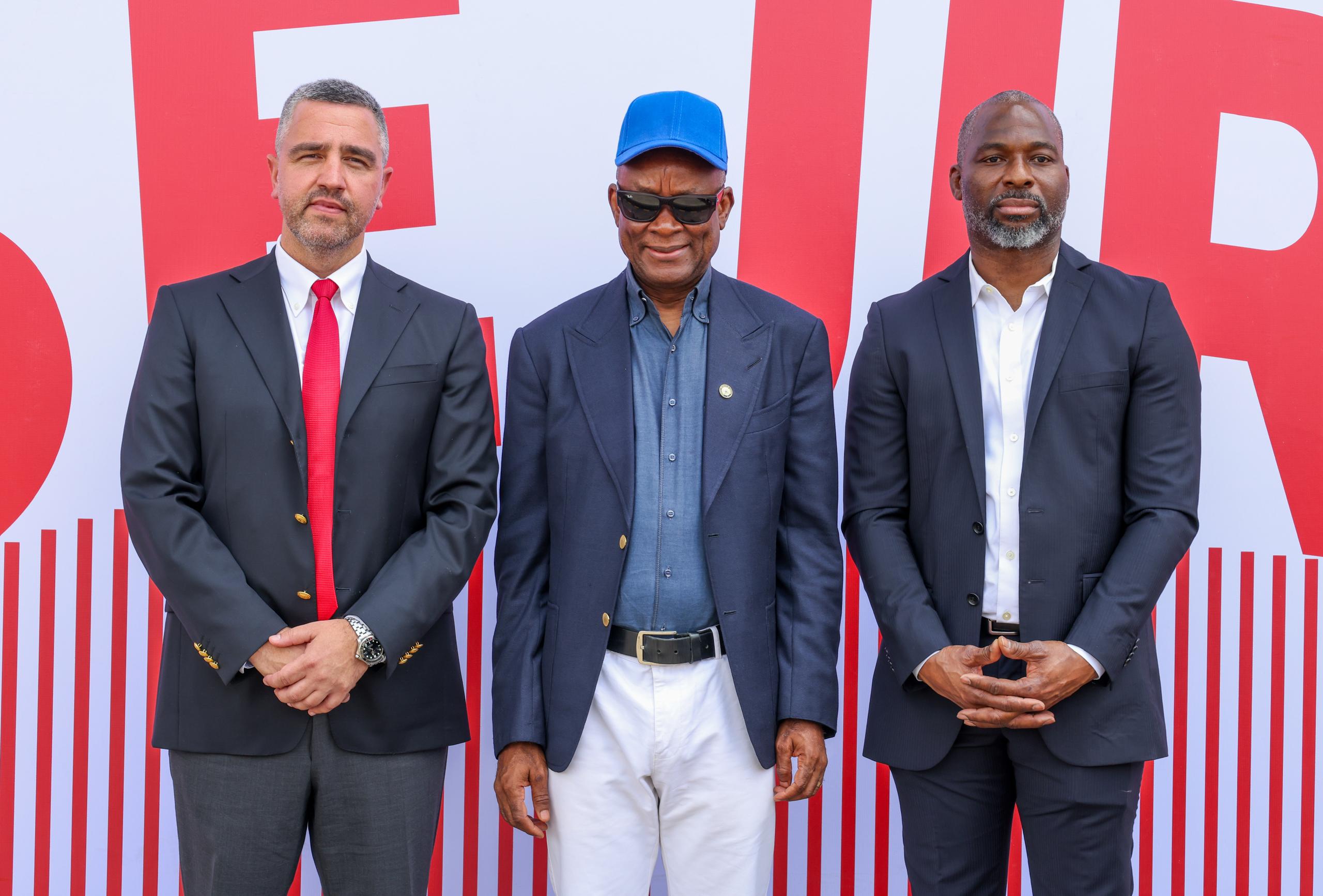
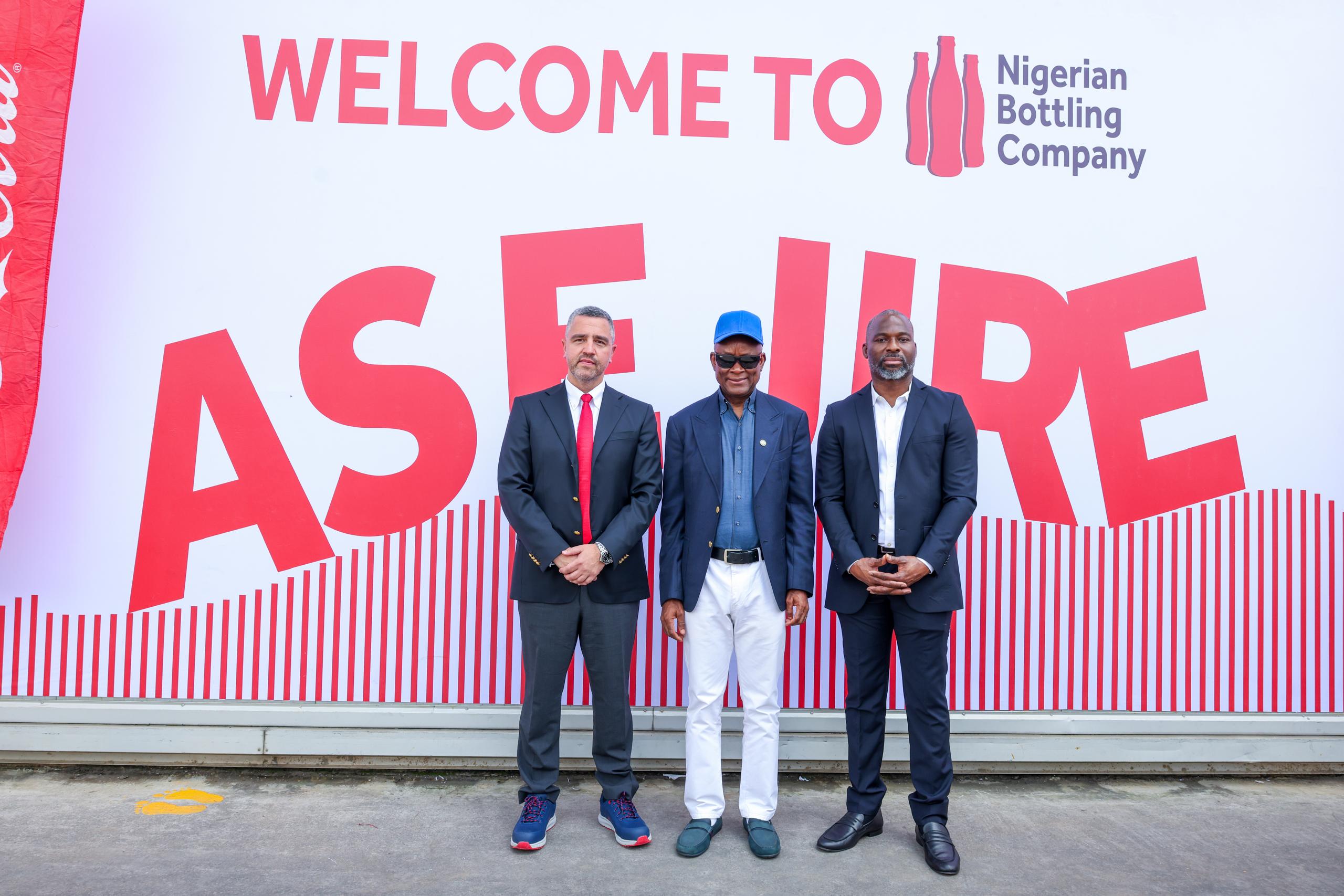
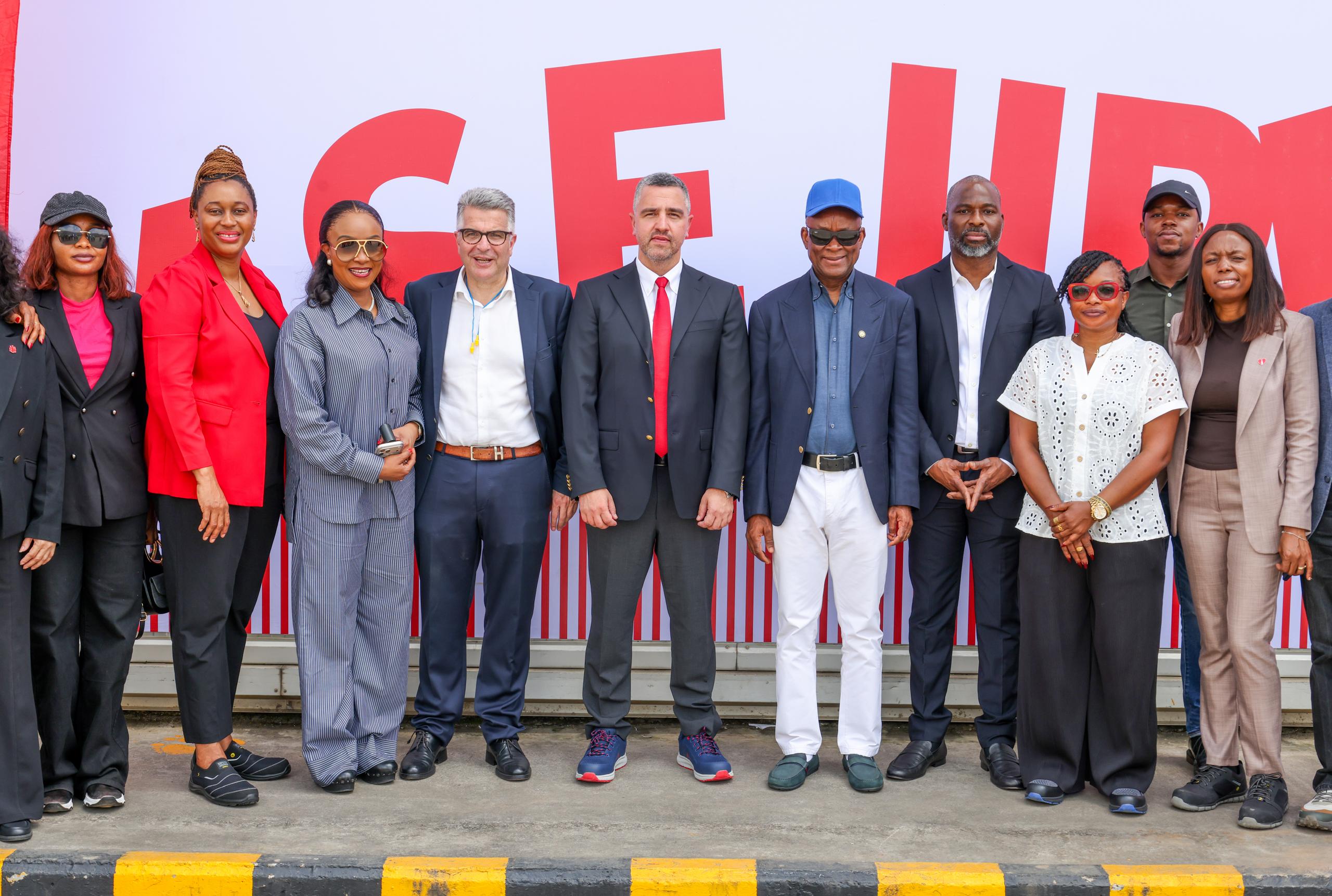
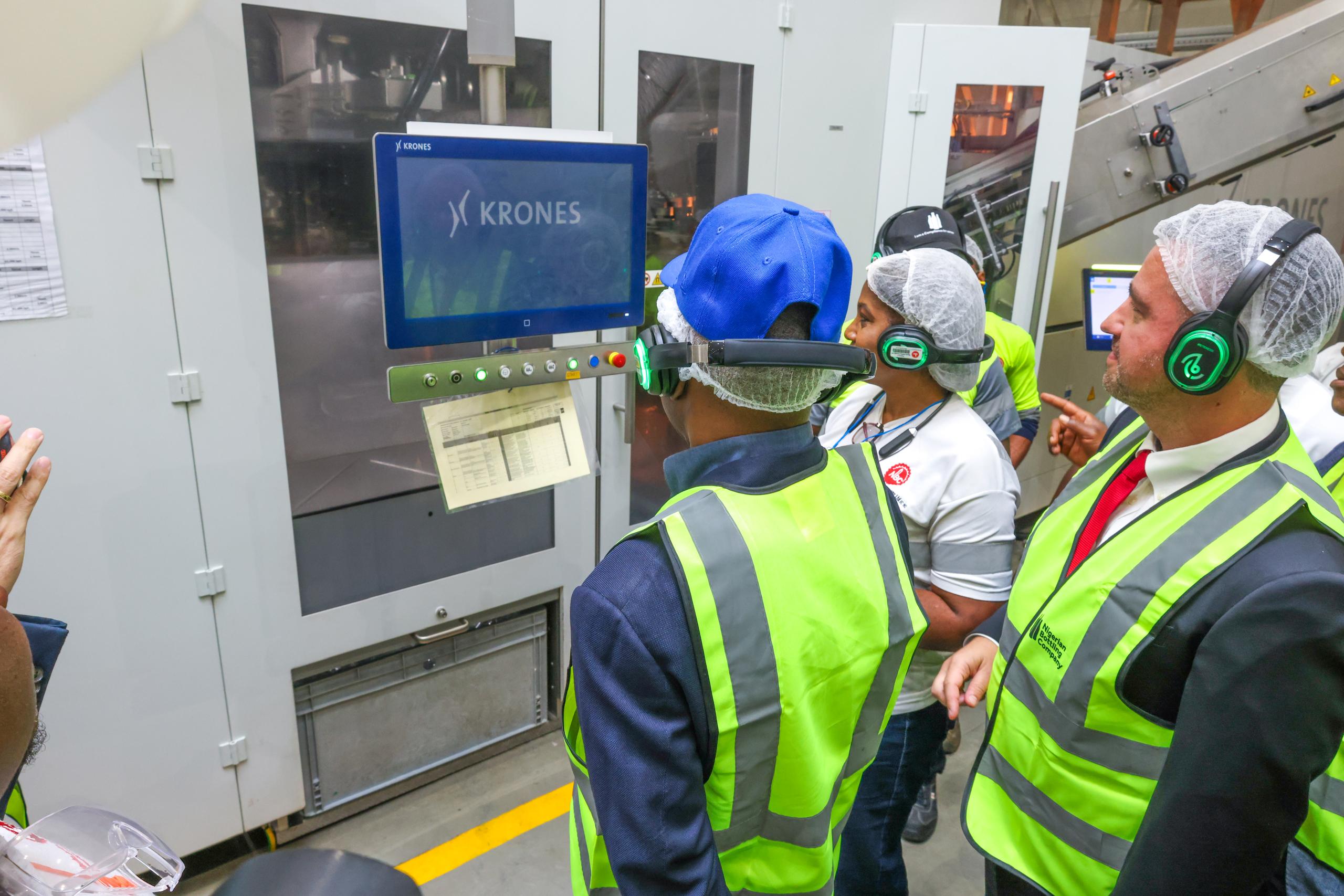
The Honourable Minister of State for Industry, Senator John Owan Enoh, has described the Nigerian Bottling Company’s continued investments in Nigeria as a strong vote of confidence in the country’s economic future and industrial development agenda.

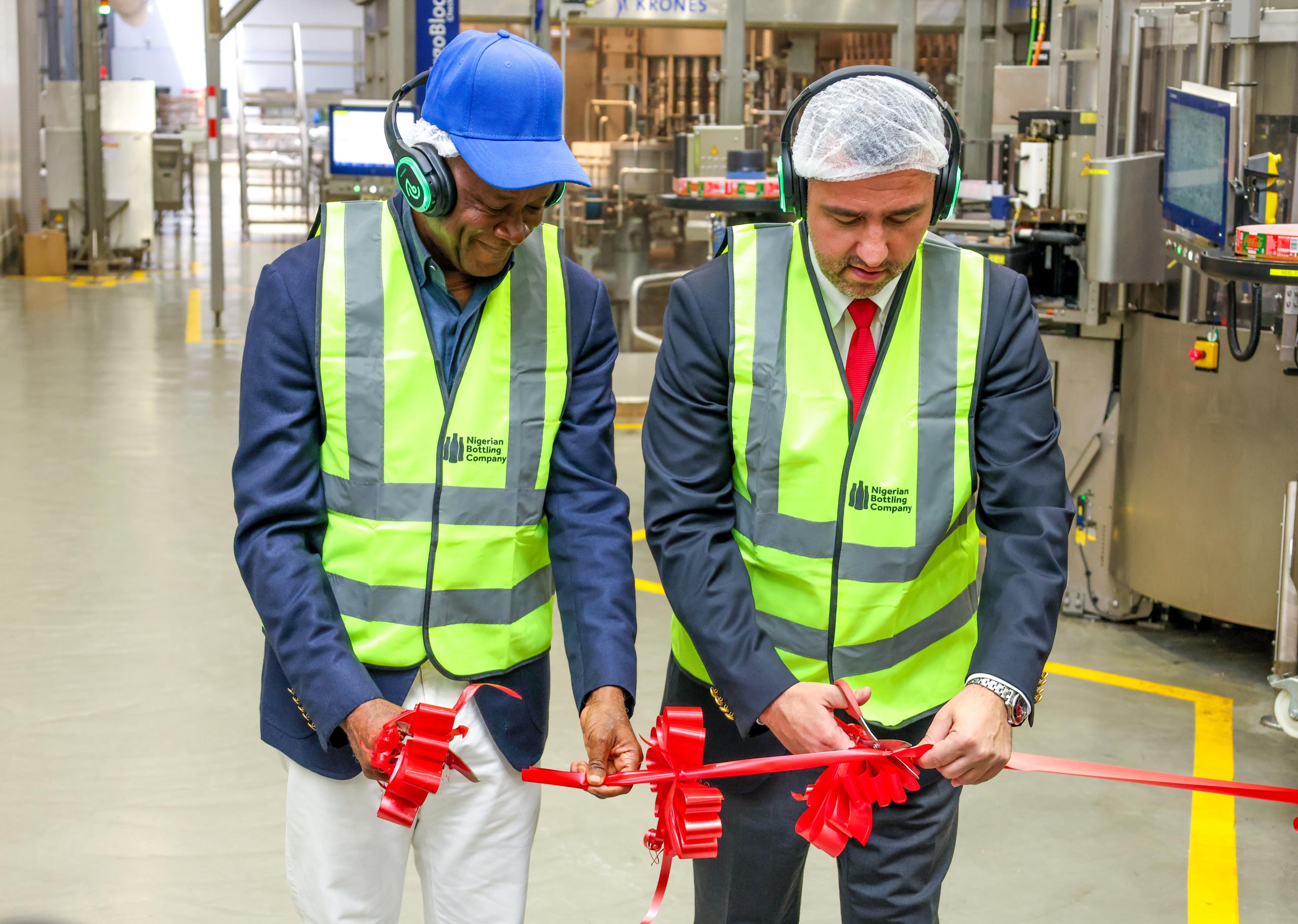
Speaking at the commissioning of the Nigerian Bottling Company’s Asejire Plant in Oyo State and the celebration of the Coca-Cola System’s 75th anniversary in Nigeria on the 24th of June, 2024, the Minister said the company’s long-standing commitment to the country demonstrates the critical role of private sector investment in driving economic growth, job creation, and industrial expansion.

Senator Enoh noted that the event was not merely the commissioning of a facility, but a celebration of a partnership that has endured for over seven decades. He commended the Nigerian Bottling Company and the wider Coca-Cola System for maintaining and expanding their operations in Nigeria despite changing economic realities.

According to the Minister, the recent expansion of production capacity at both the Asejire Plant in Oyo State and the Challawa Plant in Kano State reflects the confidence of investors in Nigeria’s industrial future.

Highlighting the company’s economic contributions, Senator Enoh disclosed that the Coca-Cola System contributes over one billion dollars in value to Nigeria’s economy and supports more than 160,000 livelihoods across its value chain. He further noted that for every direct job created within the Coca-Cola System, an additional 53 jobs are supported across various sectors of the economy, including agriculture, transportation, retail, and logistics.

The Minister also applauded the company’s commitment to local sourcing, revealing that more than $601 million has been spent on Nigerian suppliers, materials, and labour. He described these investments as evidence that the company is deeply integrated into Nigeria’s economic ecosystem and national development efforts.

Senator Enoh stated that the investments align with the objectives of the Nigeria Industrial Policy 2025, which seeks to promote local value addition, strengthen manufacturing capacity, increase competitiveness, and attract sustainable investments under the Renewed Hope Agenda of President Bola Ahmed Tinubu’s administration.

Addressing concerns raised by industry stakeholders regarding policy stability and regulatory certainty, the Minister reaffirmed the Federal Government’s commitment to maintaining a predictable business environment that encourages long-term investment and industrial growth.

As part of efforts to deepen collaboration between government and industry, Senator Enoh announced that the Federal Ministry of Industry, Trade and Investment will convene a dedicated Industry Policy Dialogue in September 2026. The engagement will bring together government officials, the Nigerian Bottling Company, and other major industry players to discuss critical issues affecting the sector.

The dialogue will focus on four key areas: improving industry competitiveness and growth, ensuring sustainable revenue generation for government, promoting consumer health and wellbeing, and creating a level playing field for responsible businesses.

He emphasised that future policy reforms would be driven through consultation and partnership with stakeholders, assuring investors that government remains committed to transparent engagement and evidence-based decision-making.

Congratulating the Nigerian Bottling Company and the Coca-Cola System on their 75-year milestone, the Minister expressed appreciation for their contribution to Nigeria’s economy, the livelihoods they support, and the communities they continue to impact across the country.

He reaffirmed the Federal Government’s commitment to building stronger partnerships with investors and creating an enabling environment that supports industrialisation, shared prosperity, and sustainable economic development.

WhatsApp Image 2026-06-11 at 18.08.37 (1)

FG Commissions NADDC Automotive Training Centre in Gusau, Reinforces Commitment to Industrial Growth and Youth Empowerment

FG Commissions NADDC Automotive Training Centre in Gusau, Reinforces Commitment to Industrial Growth and Youth Empowerment

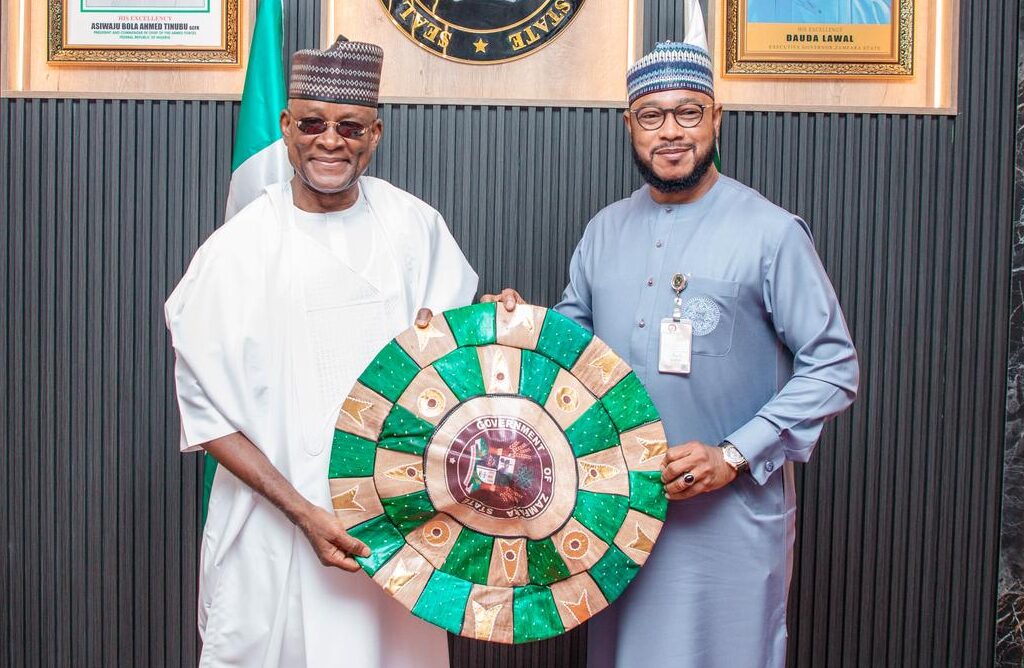
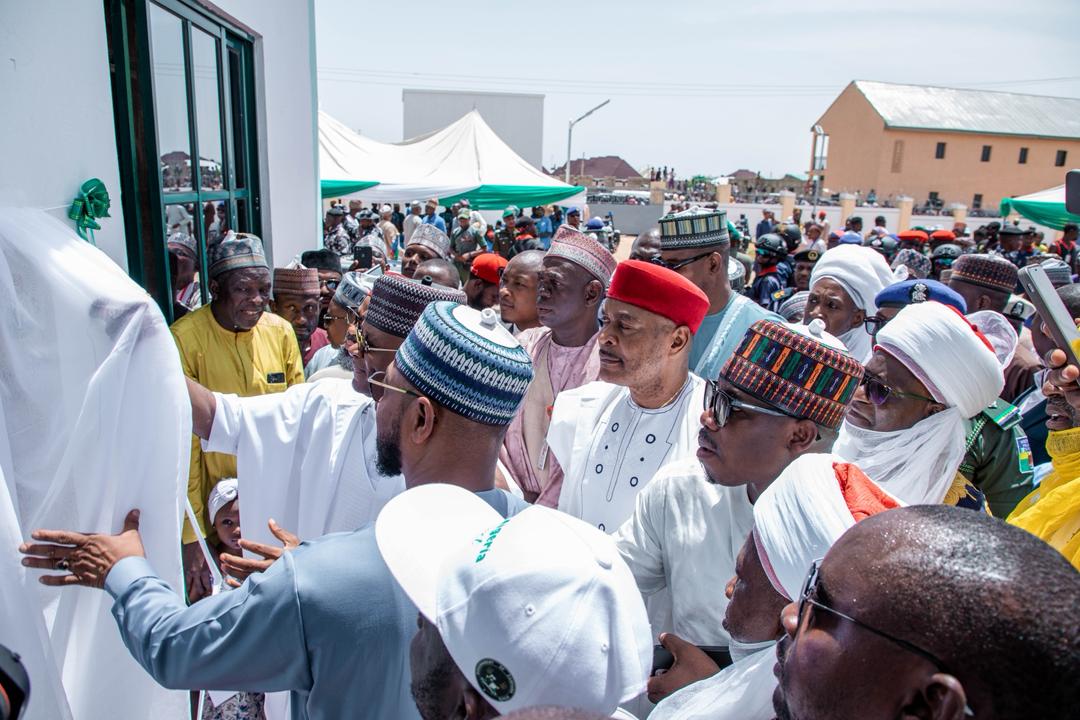
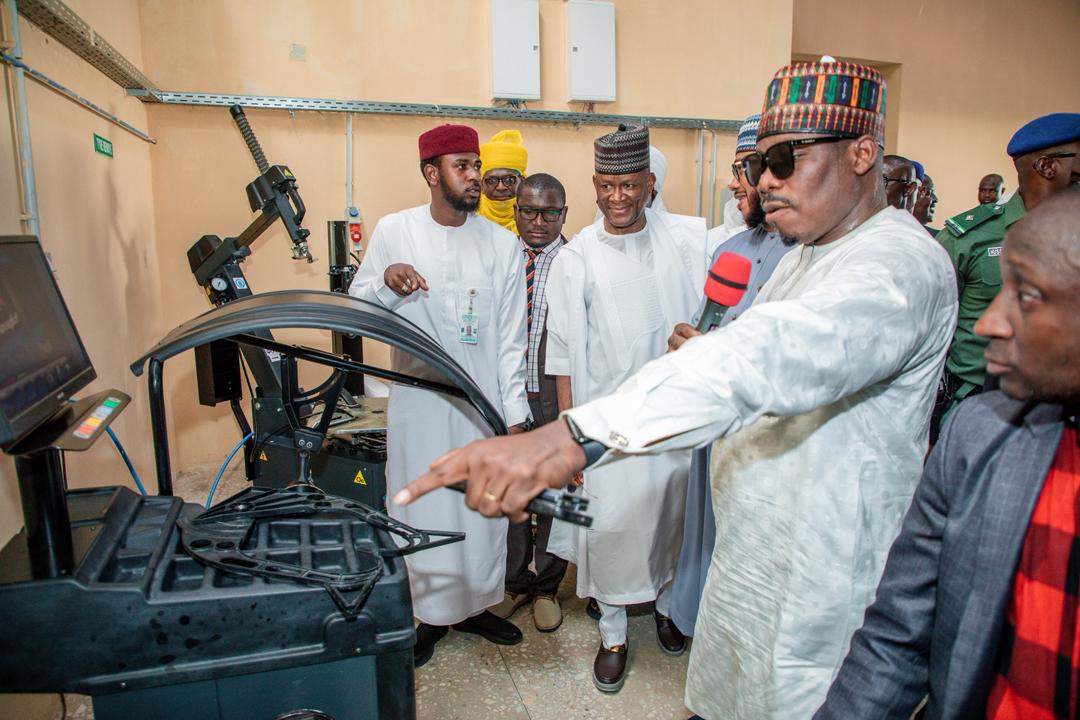
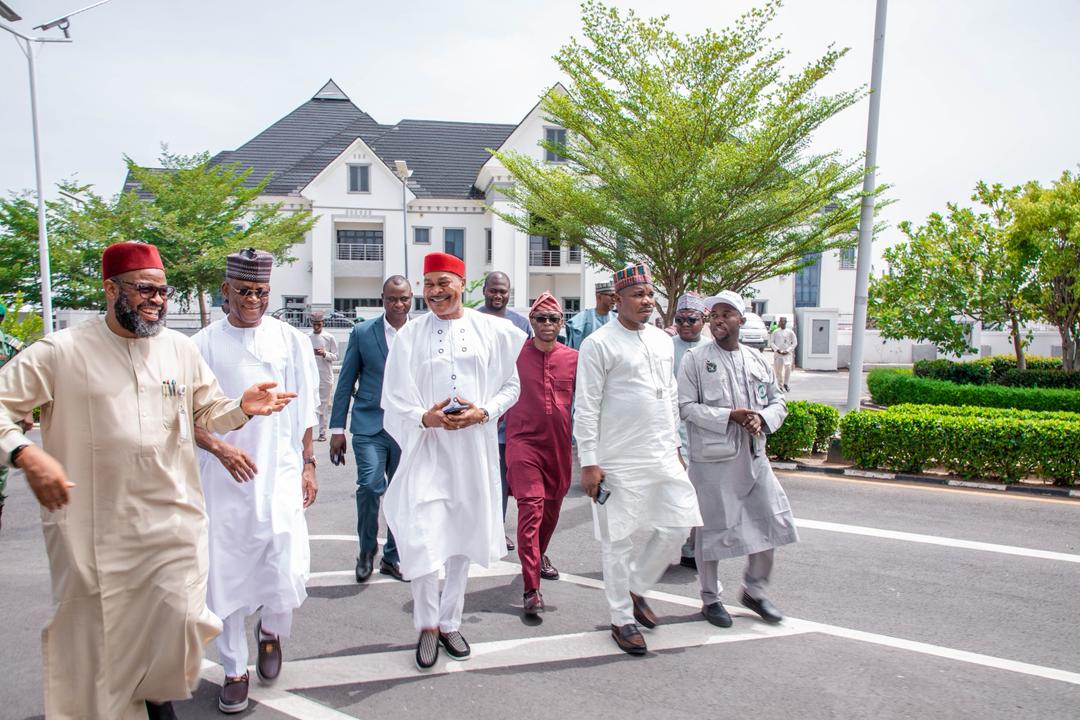
The Honourable Minister of State for Industry, Federal Ministry of Industry, Trade and Investment, Senator John Owan Enoh, has reaffirmed the Federal Government’s commitment to industrial development, human capital advancement and economic transformation with the commissioning of the National Automotive Design and Development Council (NADDC) Automotive Training Centre in Gusau, Zamfara State.

Speaking at the commissioning ceremony on Thursday, 11 June 2026, Senator Enoh described the facility as more than a physical structure, stating that it represents a gateway to opportunities, innovation, skills acquisition, entrepreneurship and sustainable economic growth for Zamfara State and the wider North-West region.

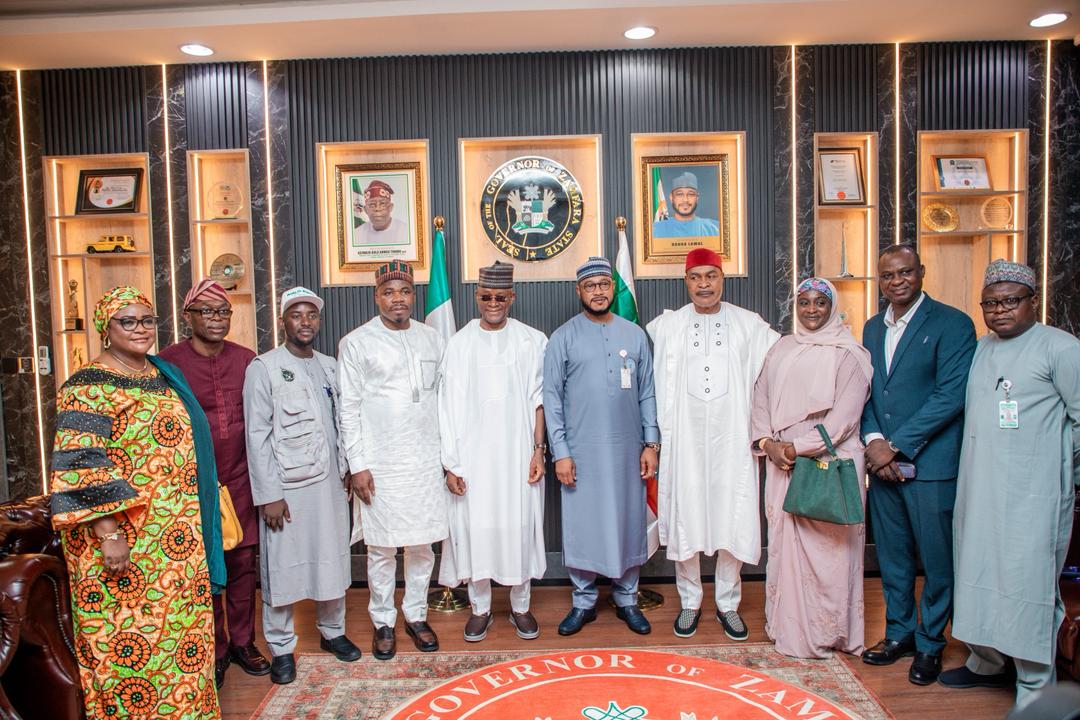
The Minister commended the Executive Governor of Zamfara State, the state government, traditional institutions and the people of the state for their support and commitment to development initiatives, noting that the partnership between the Federal Government and Zamfara State is critical to advancing youth empowerment and industrial development.

Highlighting Zamfara’s strategic importance, Senator Enoh observed that the state occupies a vital position within Nigeria’s socio-economic landscape, with significant potential to emerge as a major hub for technical skills development and automotive services owing to its youthful population and entrepreneurial spirit.
He emphasized that the automotive industry remains one of the world’s leading drivers of industrialization, supporting growth in manufacturing, engineering, electronics, logistics, transportation, information technology and renewable energy.

According to him, the Federal Ministry of Industry, Trade and Investment continues to place technical and vocational education at the centre of Nigeria’s industrial development agenda.

The Minister explained that through the Nigerian Automotive Industry Development Plan (NAIDP), the Federal Government is pursuing increased local vehicle production, deeper local content participation, technology transfer, alternative fuel technologies and sustainable job creation. He stressed that achieving these objectives depends on building a highly skilled workforce capable of adapting to modern automotive technologies, including advanced diagnostics, mechatronics, electric vehicles, compressed natural gas (CNG) systems and digital mobility solutions.

Senator Enoh disclosed that the Federal Government has intensified engagements with international investors and leading automotive manufacturers to establish industrial hubs and expand local production capacity across the country. He added that efforts are also underway to revitalize automotive component industries such as tyre manufacturing, battery production, vehicle assembly and alternative energy technologies.

He noted that the establishment of Automotive Training Centres across the country by NADDC is designed to ensure equitable access to technical education while promoting inclusive national development. These centres, he said, are intended to serve as engines of economic empowerment, social inclusion and technological advancement.

For Zamfara State, the Minister stated that the newly commissioned centre represents a strategic intervention aimed at unlocking the potential of the state’s youth by equipping them with practical, industry-relevant skills that will reduce unemployment, stimulate entrepreneurship and contribute to long-term peace and prosperity.

He added that the facility will also serve neighbouring states within the North-West region, strengthening Zamfara’s role as a centre for automotive skills development and innovation.
Reaffirming the Federal Government’s commitment to expanding automotive infrastructure and supporting local manufacturing, Senator Enoh said the administration remains focused on creating an enabling environment for private sector investment while building a globally competitive automotive industry capable of contributing significantly to Nigeria’s Gross Domestic Product and generating employment opportunities for millions of citizens.

The Minister also praised the Director-General and Chief Executive Officer of the National Automotive Design and Development Council, Otunba Oluwemimo Joseph Osanipin, for his leadership and dedication to transforming Nigeria’s automotive sector through impactful programmes and projects. He further acknowledged the contributions of development partners, technical experts, community leaders, traditional rulers, educational institutions and private sector stakeholders whose collaboration made the project possible.
Concluding his remarks, Senator Enoh reaffirmed the commitment of the Federal Government under the leadership of President Bola Ahmed Tinubu, GCFR, to industrialization, youth empowerment, local content development, technology transfer and sustainable economic growth under the Renewed Hope Agenda.

He expressed confidence that the Automotive Training Centre would serve as a lasting beacon of hope, innovation and opportunity for the people of Zamfara State, the North-West region and Nigeria as a whole.


130A1224 (1)

The Minister of State for Industry Sen. John Owan Enoh Has Undertaken a Strategic Tour of Key Industrial Sites in Kaduna State

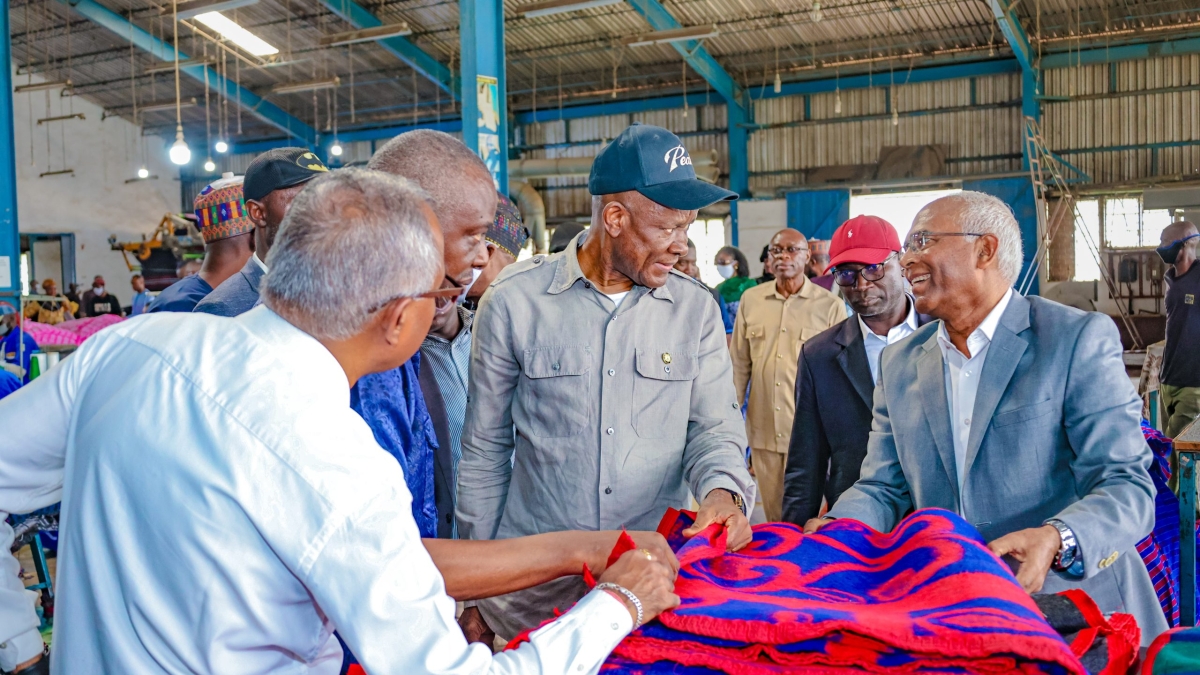
The Minister of State for Industry, John Enoh, has undertaken a strategic tour of key industrial sites in Kaduna state to speed up the revival efforts of the comatose tex-tile, cotton and garment (CTG) sector.

The minister was accompanied by the Permanent Secretary of the Ministry, Rimi Abba, and the Director-General of the Bank of Industry, Dr Olasupo Olusi. The minister, during the tour yesterday, said the tour was part of the Federal Government’s renewed commitment to industrial revital isation under President Bola Ahmed Tinubu’s eight-point agenda. The Agenda Seven prioritises job creation, inclu-sive economic growth, and industrial development.

During a visit to United Nigerian Textiles Limited (UNIL), the minister, who was received by the Emir of Kano and Chairman of UNTL, His Royal Highness Sanusi Lamido, described UNTL as a historic textile mill that once served as a cornerstone of Nigeria’s manufacturing sec-tor.

Enoh acknowledged the concerns over the near collapse of the sector while assuring that under President Tinubu’s leadership, several developmental strides have been made to reposition the CTG sector.

The steps taken so far include convening sub-sector stakeholder engagements to identify and resolve bottlenecks, promoting public-private partnerships and collaborating with development partners while strengthening policy frameworks to support local manufacturing and boost export competitive-ness.

He underscored the symbolic and economic importance of UNIL’s revival, stating that its return to full operation would restore confidence in Nigeria’s textile heritage and catalyse broader industrial growth.

At Chellco Industries, the minister noted that the firm represents a resilient textile firm that has remained operational since 1980, despite decades of economic turbulence.

Enoh commended the management for their unwavering commitment and noted that Chellco currently provides direct employment to over 290 workers, contributing significantly to the local economy.

He pledged continued government support and conveyed President Tinubu’s goodwill, assuring stakeholders that the administration remains steadfast in its mission to restore Nigeria’s industrial pride and reposition the CTG sector as a driver for inclusive growth.

In his opening remark, the Permanent Secretary of the Federal Ministry of Industry, Trade, and Investment (FMITI), Ambassador Nura Rimi Abba, represented by Bala Mohammed, Director of the Industrial Development Department, stressed the urgent need for results-driven execution, highlighting the direct impact of industrial growth on employment, economic resilience, local production capacity, and export expansion.

The Director General of the Manufacturing Association of Nigeria (MAN) shared critical insights into the session’s thematic focus, emphasising the importance of collaboration between public and private sectors. Representing GIZ, Dr. Dada Olusegun reaffirmed the organisation’s commitment to sustainable development and its ongoing partnership with the ministry to drive skills development and sustainability.

The President of MAN and Co-Chair of IRWG, Otumba Francis Ivieshioye OFR, encouraged participants to actively contribute by leveraging their expertise to shape the future of Nigeria’s industrial sector.

Setting the tone for the discussions, Senator John Owan Enoh, Honourable Minister of State for Industry and Chairperson of IRWG, delivered a powerful address.

“We gather here today under no illusion. We are not here for symbolism or to add another page to government archives. We are here because something must change—permanently and decisively, in how we execute Nigeria’s industrial ambition.” Enoh stated.

He further noted that, for too long, industrial policy discussions lacked speed and consistency, resulting in slow and inconsistent progress. He emphasised that IRWG was established not as an advisory body but as an operational force focused on tangible results.

The Minister stated that the success of IRWG’s work must be measured by the momentum created, the systems improved, the industries revived, and the jobs enabled. To ensure accountability, he urged participants to focus discussions on execution, setting measurable targets for 90 days, six months, and one year while establishing a framework for continuous evaluation.

He also announced that the Draft National Industrial Policy was ready for revalidation and assured participants that it would serve as a dynamic framework tackling Nigeria’s most pressing industrial challenges, including energy insecurity, logistics issues, talent gaps, workforce development, and shifts in global supply chains.

Participants engaged in structured discussions centered on key industrial priorities such as unlocking long-term financing and incentives for SMEs and major industries, strengthening energy security and infrastructure to support manufacturing, simplifying bureaucratic processes to eliminate regulatory bottlenecks, promoting Made-in-Nigeria initiatives and enforcing anti-contraband measures, and addressing the skills gap while embracing technological innovation.

The session ended satisfactorily, reinforcing the need for execution-driven thinking while ensuring that every proposal translates into real industrial impact.