130A4541

Federal Government Unveils Plans To Bridge Industrial Financing Gap as IRWG Ministerial Roundtable 2.0 Holds in Lagos.
Federal Government Unveils Plans To Bridge Industrial Financing Gap as IRWG Ministerial Roundtable 2.0 Holds in Lagos.

Roundtable proposes National Industrial Finance Compact and 30/60/90-Day Action Matrix; stakeholders to reconvene in two weeks for adoption

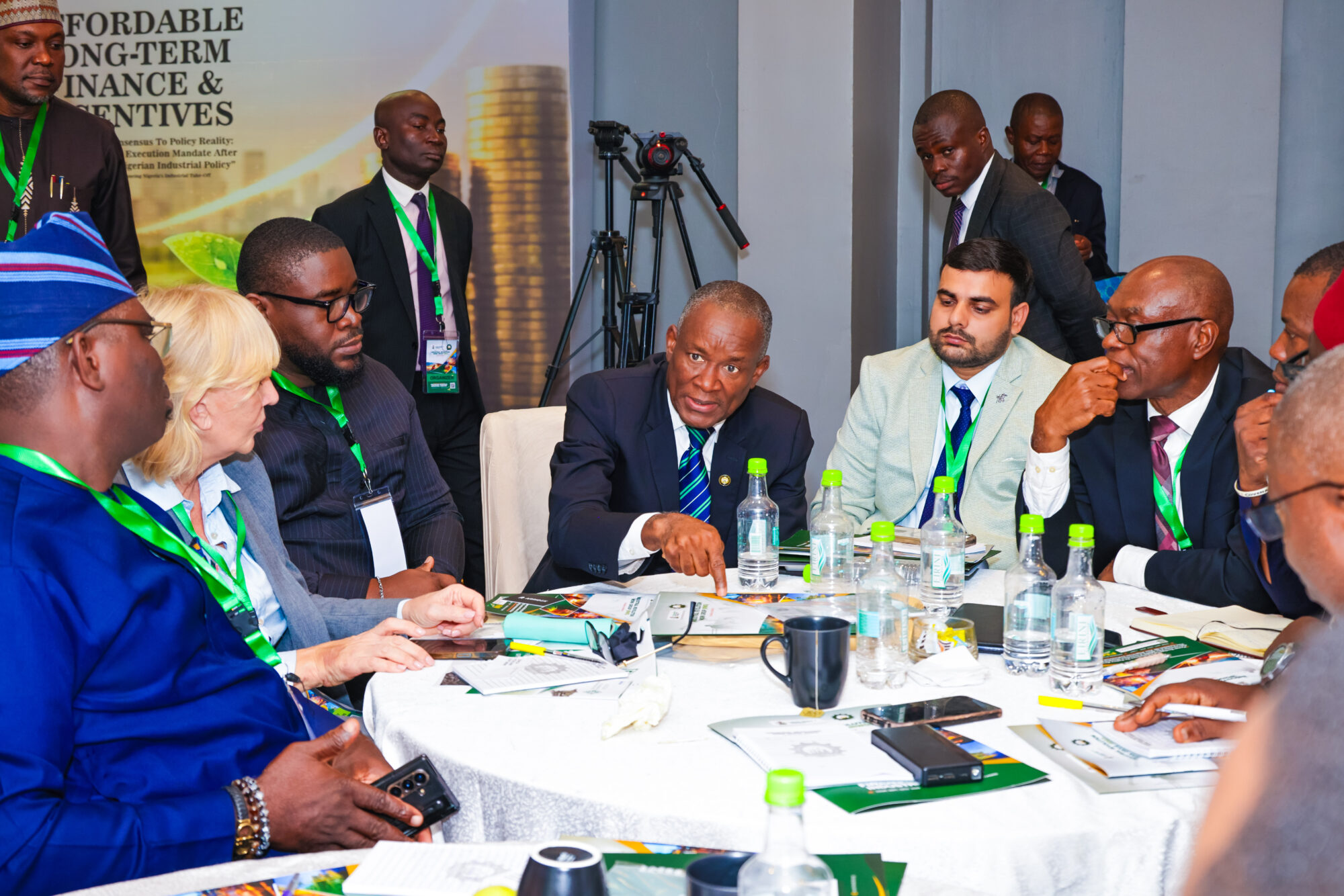
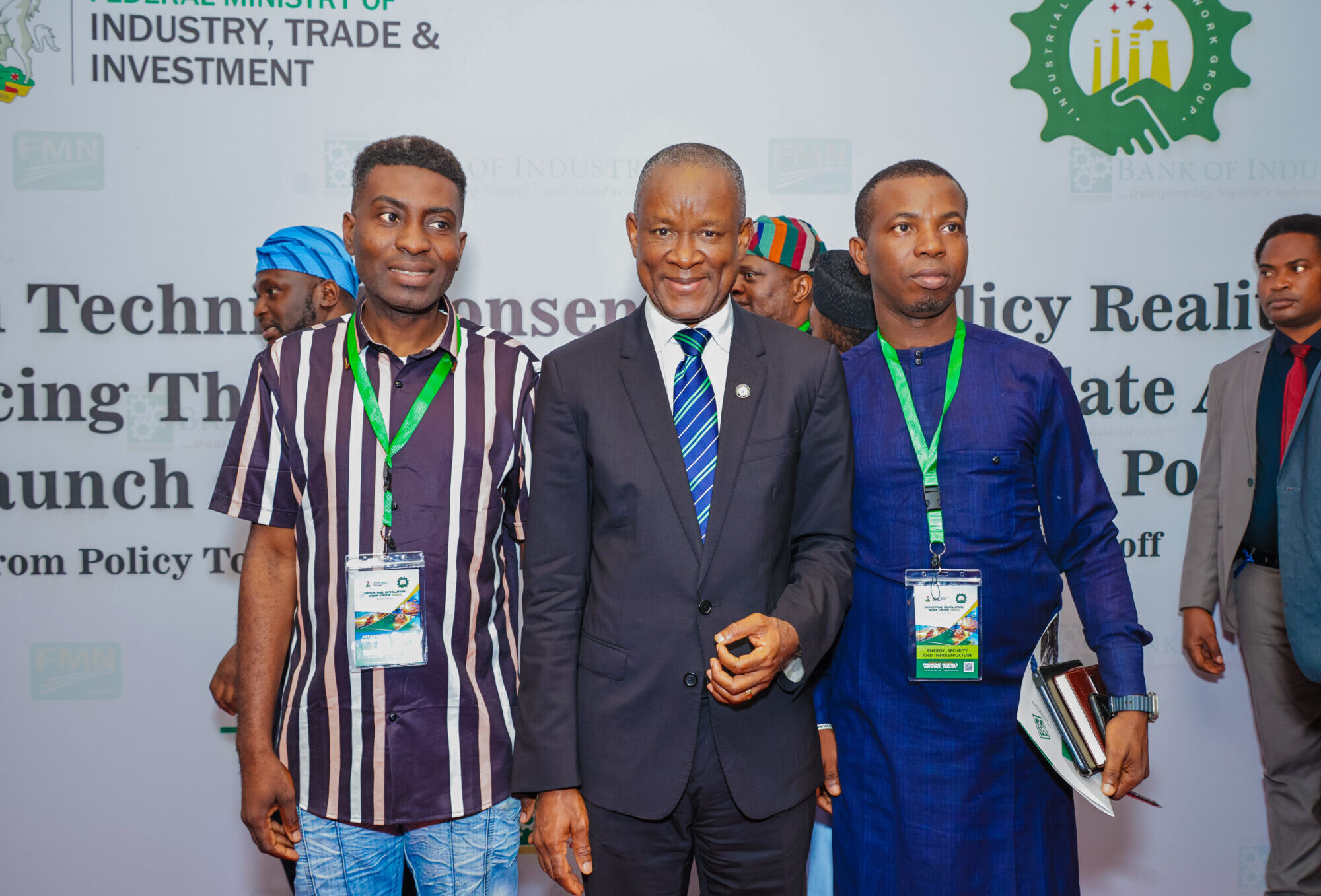
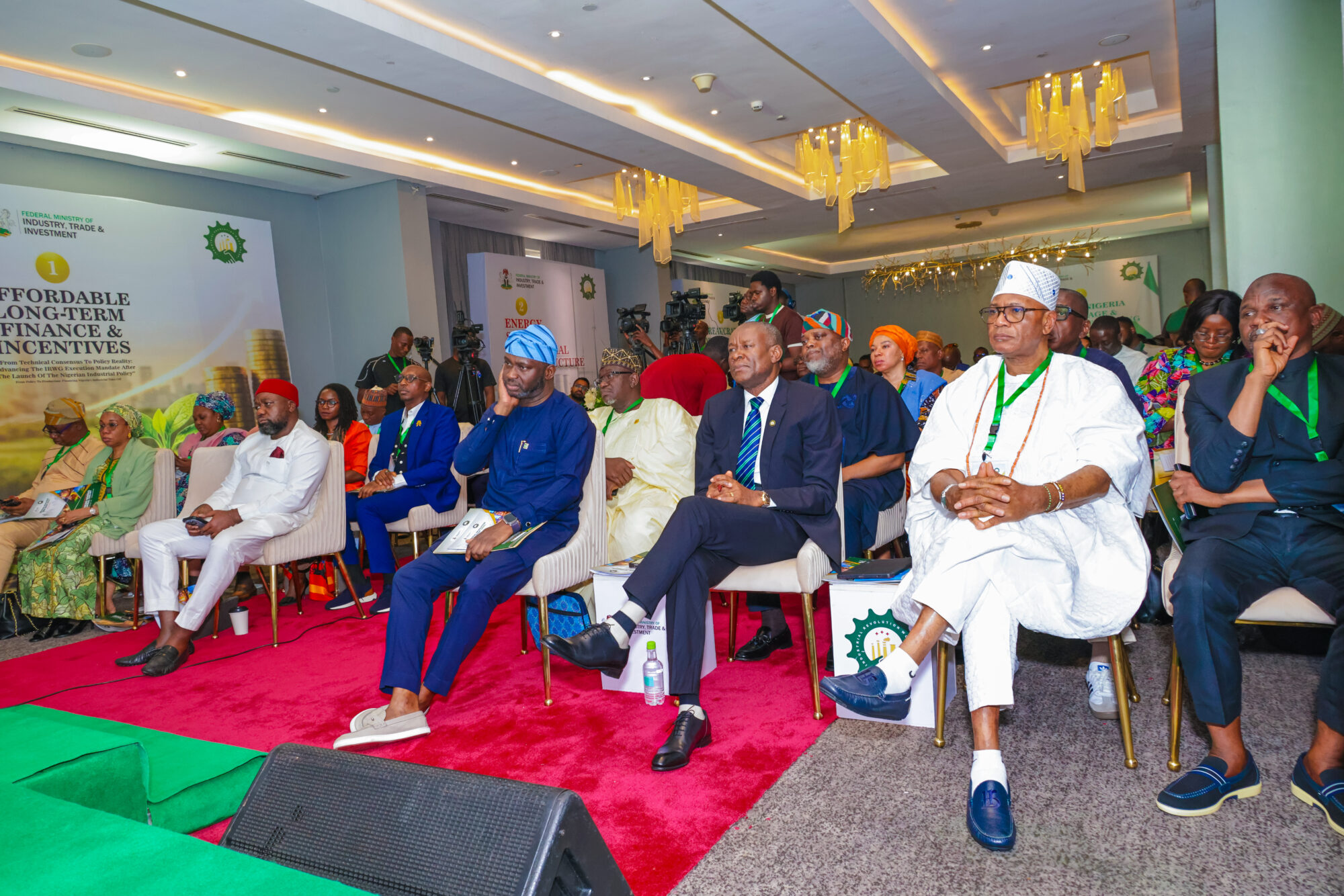
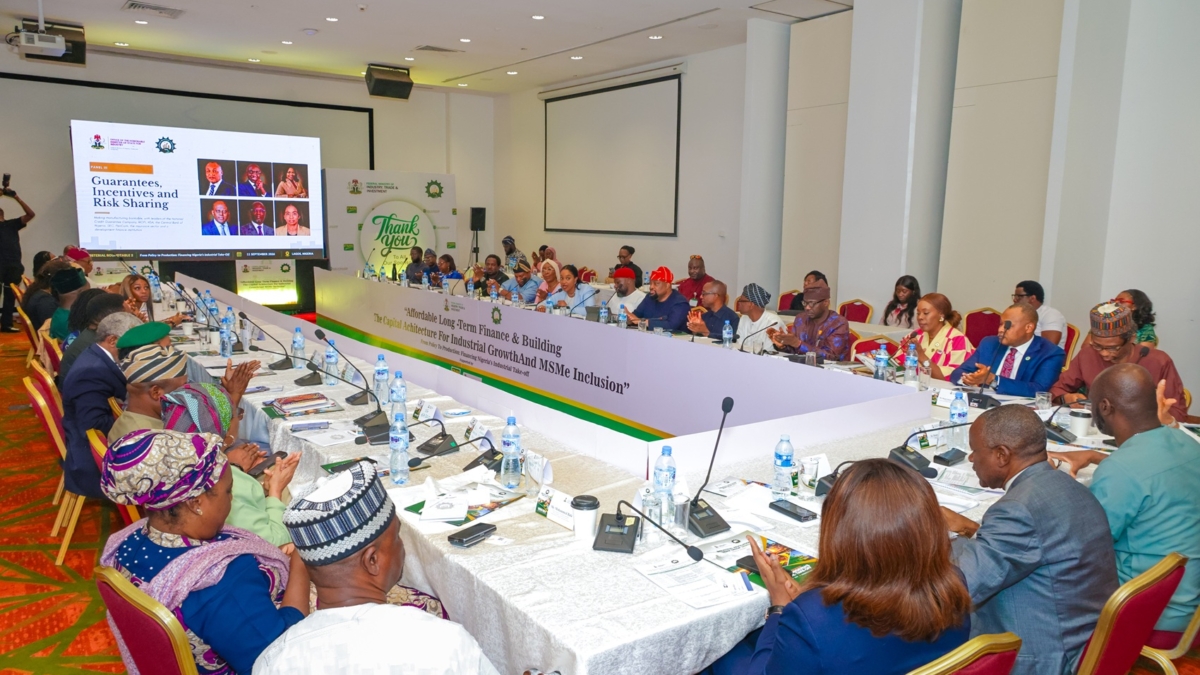
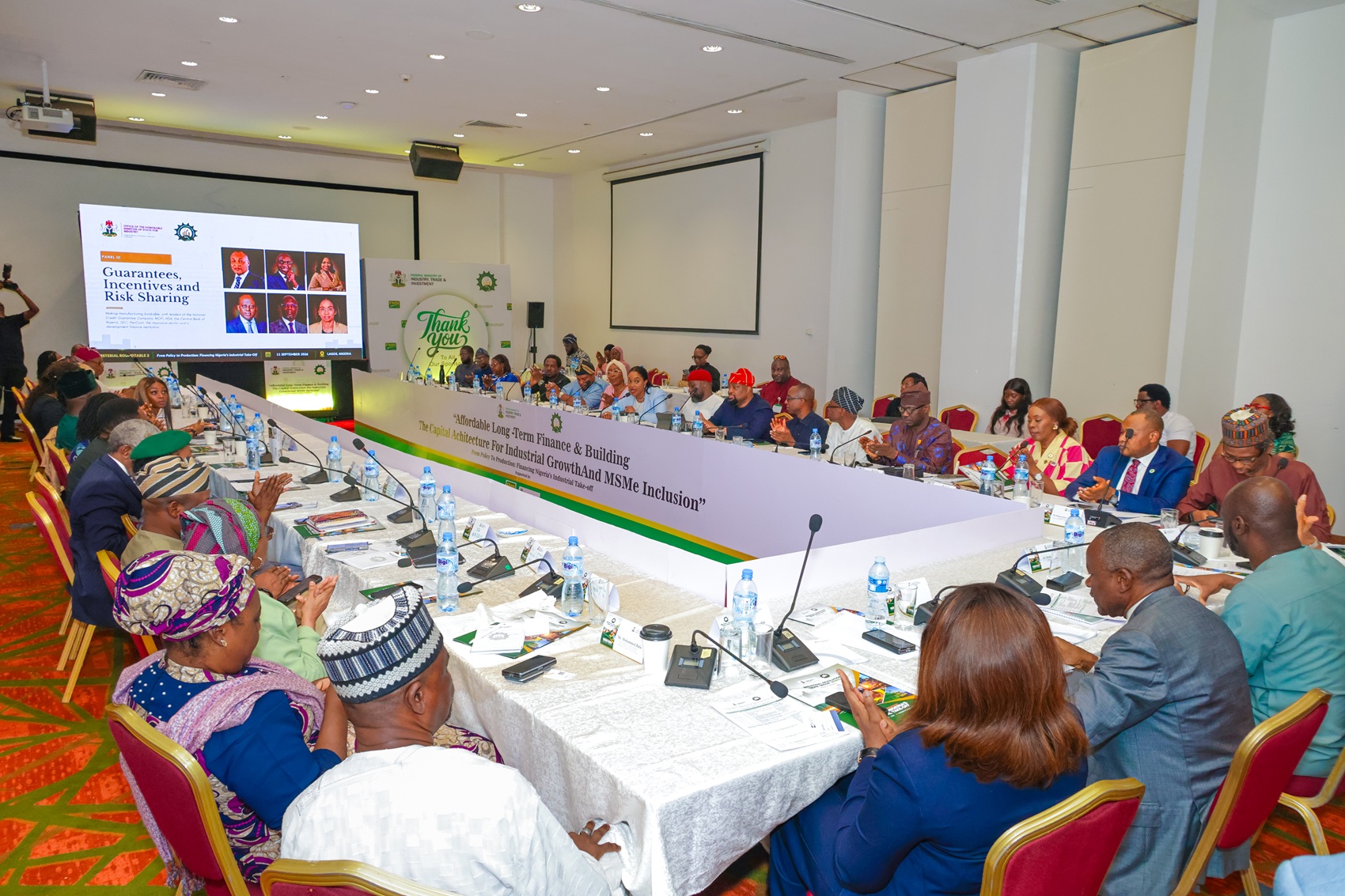
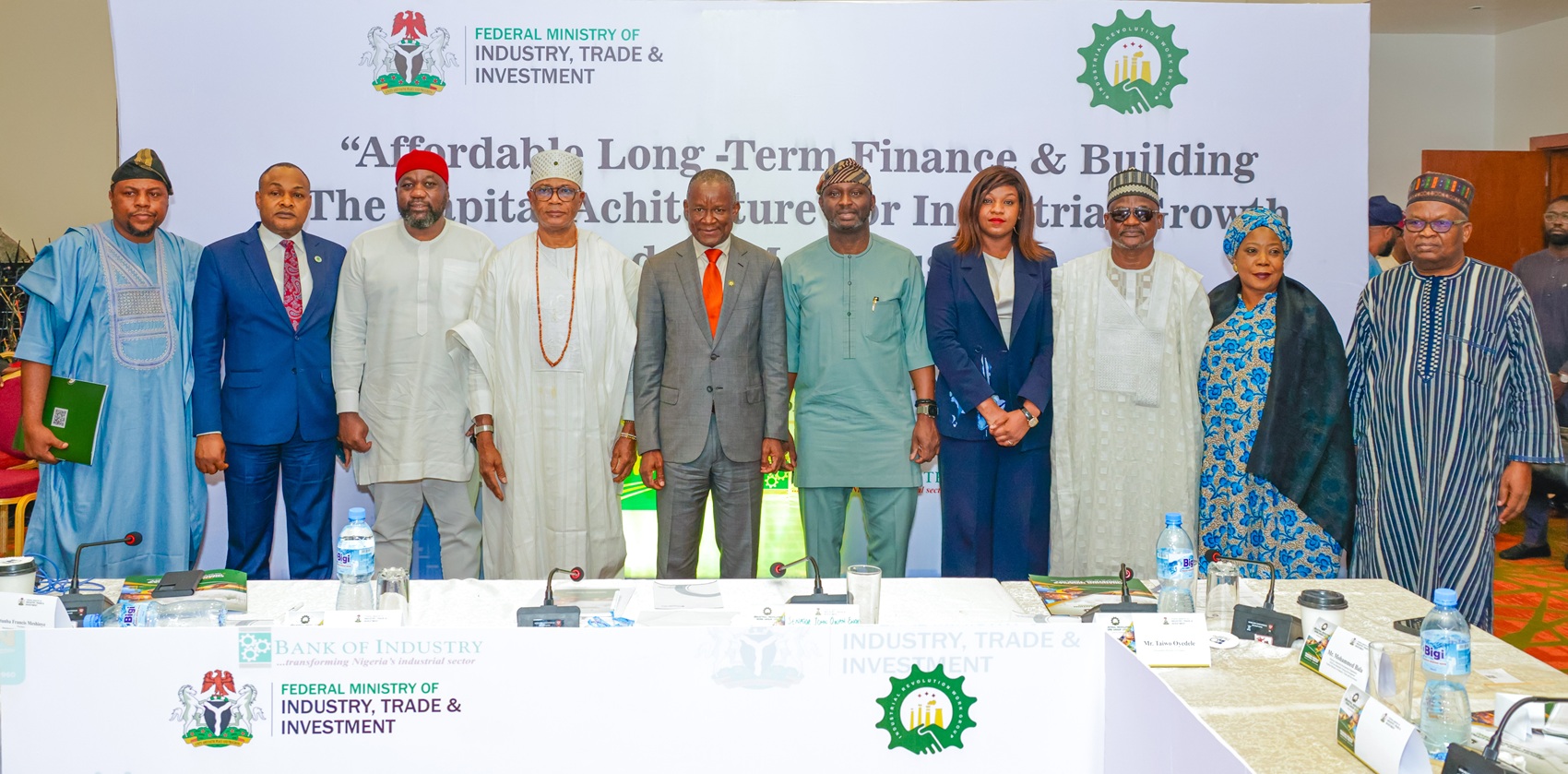
The Office of the Honourable Minister of State for Industry, Federal Ministry of Industry, Trade and Investment (FMITI), through the Industrial Revolution Work Group (IRWG), on Friday convened the Ministerial Roundtable 2.0 on Affordable Long Term Finance & Incentives, under the theme “From Policy to Production: Financing Nigeria’s Industrial Take Off,” bringing together senior government officials, development finance institutions, commercial banks, capital market institutions, manufacturers and MSMEs stakeholders to chart a coordinated path towards affordable, long term industrial finance.

Delivering the Keynote Address on behalf of the Honourable Minister of Finance and Coordinating Minister of the Economy, the Special Adviser on Finance and Investment noted that manufacturing investments with seven-, ten- or fifteen-year horizons are poorly served by prevailing lending conditions, and called for closer collaboration between government, regulators, development finance institutions and commercial capital providers to fix the disconnect between policy intent and actual disbursement. In a Special Address titled Financing Industrialisation Now: The Capital Question Behind the Nigeria Industrial Policy, the Honourable Minister of State for Industry emphasised the need to move from policy formulation to implementation, ensuring manufacturers can access capital that is affordable, appropriately structured and long tenored enough to support industrial investment.

The Managing Director/Chief Executive Officer of the Bank of Industry, Dr. Olasupo Olusi, presented findings showing a financing gap of about 66 percent in BOI’s 2025 pipeline N1.754 trillion applications against N645 billion in total funding — with sectors such as pharmaceuticals, mining and metals, and engineering recording gaps as high as 90 percent. He outlined BOI’s mobilisation of roughly US$7 billion from international capital markets over the past six years and called for a blended capital stack of long-term debt, equity, guarantees and project-preparation support to close the gap.
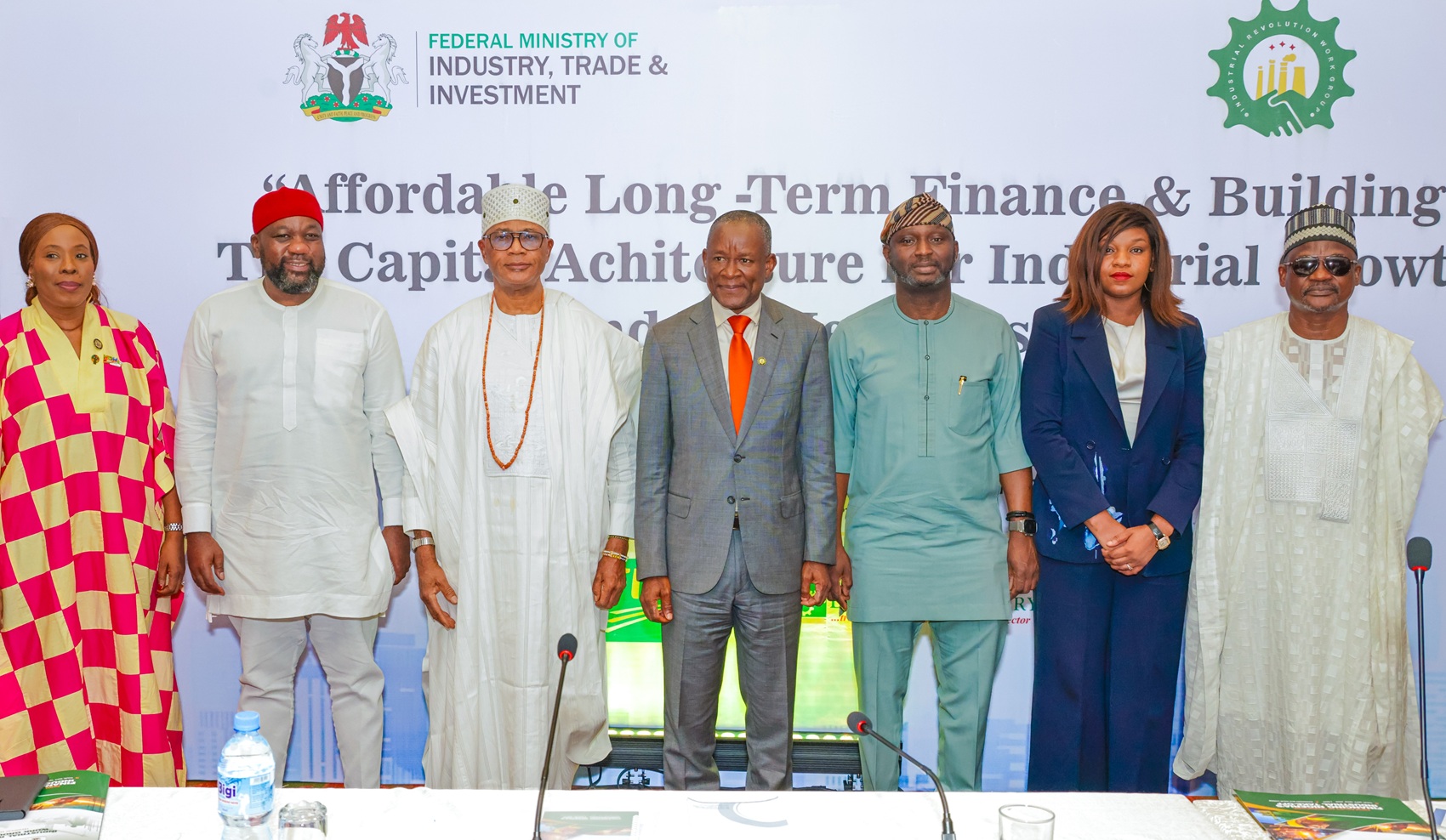
The Managing Director/CEO of the National Credit Guarantee Company (NCGC), Dr. Bonaventure Okhaimo, reported that the year-old institution has unlocked N46.95 billion in credit and issued N21.59 billion in guarantees across 25 states and the FCT, supporting over 67,500 borrowers and impacting more than 661,000 jobs through its partial credit guarantee model, which shares up to 60 percent of eligible credit losses with participating financial institutions. The Executive Director of FATE Foundation, Ayomide Akindolie Igwe, presented a proposed MSME Credit Framework combining enterprise-readiness assessment, credit guarantees and alternative underwriting, noting that while MSMEs account for about 96 percent of registered businesses and 80 percent of employment, they receive only about 1 percent of private credit. Three thematic panels on long-term industrial capital, MSME credit and collateral reform, and guarantees and risk-sharing, examined practical measures to align capital with the realities of industrial investment and agreed that finance must ultimately be judged by its ability to translate into installed productive capacity, jobs and export growth.

The Roundtable also received a proposed National Industrial Finance Compact, “Building the Capital Architecture for Industrial Growth and MSME Inclusion,” featuring twelve priority financing instruments led by institutions including BOI, NCGC, the Development Bank of Nigeria, NEXIM, Afreximbank, InfraCorp and the Africa Finance Corporation, alongside a proposed 30/60/90-Day Action Matrix for implementation. Participants agreed that the Compact requires further technical review and stakeholder consultation and will reconvene within two weeks to consider its formal adoption. Delivering the Closing Charge, the Honourable Minister of State for Industry commended participants for a candid and productive engagement, reaffirmed the Ministry’s commitment to sustained collaboration with financial institutions and manufacturers, and urged stakeholders to sustain the momentum towards finalising the Compact.
130A4261

IRWG Technical Session 2.0 Charts “Execution Decade” for Nigeria’s Industrialization with Stakeholders.

IRWG Technical Session 2.0 Charts “Execution Decade” for Nigeria's Industrialization as Stakeholders Agree on a 30/60/90-Day Implementation Matrix.

Manufacturing grows 3.24% in Q2 2026 even as sector’s share of GDP dips to 7.72%; five priority pillars to anchor next phase of the Nigeria Industrial Policy

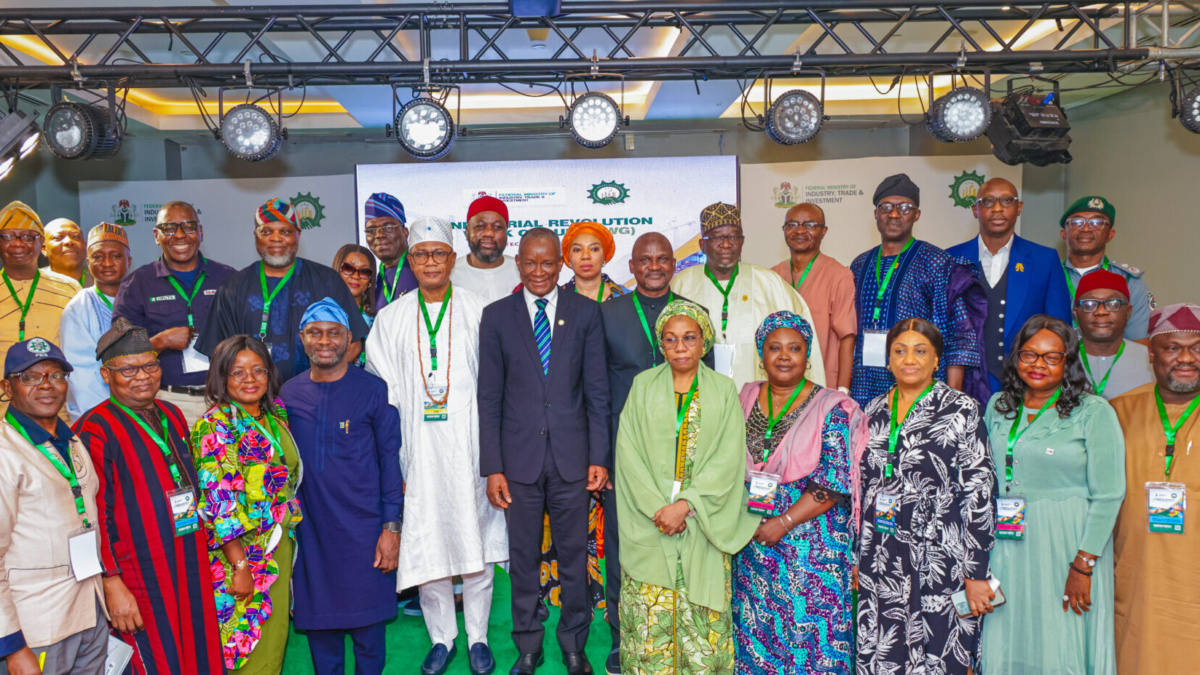
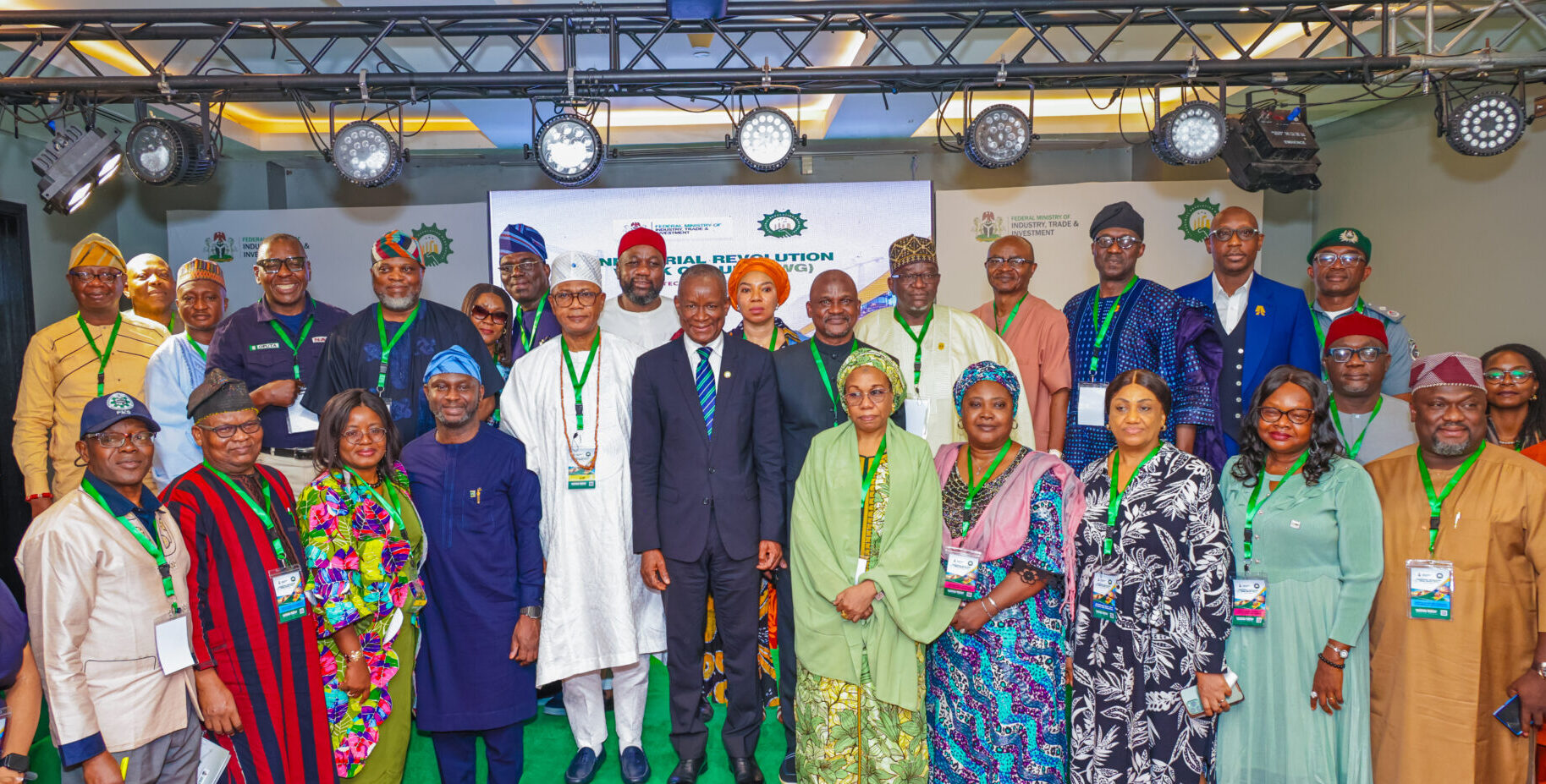
The Office of the Minister of State for Industry, Federal Ministry of Industry, Trade and Investment (FMITI), through the Industrial Revolution Work Group (IRWG), on Thursday convened Technical Session 2.0 in Lagos, bringing together Government, the organised private sector, financial institutions and development partners to review progress under the Nigeria Industrial Policy (NIP) 2025 and agree practical actions for the next 30, 60 and 90 days.

The Session noted that Nigeria’s manufacturing sector is showing signs of recovery, with output growing by 3.24 percent in the second quarter of 2026, even as its share of real GDP declined to 7.72 percent and the textiles, apparel and footwear sub-sector contracted by 1.23 percent. Persistent constraints identified included high energy costs, inadequate infrastructure, limited access to affordable long-term finance, regulatory bottlenecks, weak domestic market conditions and skill gaps.

In his central message to the Session, the Honourable Minister of State for Industry stated that Nigeria has moved beyond the question of whether to industrialise, and that the priority is now how quickly and effectively the country can execute its industrial strategy. He described the next phase as an ―execution decade,‖ to be measured by increased productive capacity, operational factories, employment, domestic value addition, exports and competitiveness. Participants noted that the IRWG has evolved from an initial diagnostic and policy platform into an implementation-focused public–private mechanism supporting the NIP 2025. Early progress highlighted included over US$380 million in strategic financing mobilisation, a proposed ₦350 billion MSME Development Fund, training of 400 young Nigerians in mechatronics, certification of 131 companies and 220 products for AfCFTA access, Bank of Industry quick-win interventions, progress on industrial energy solutions at Idu, and implementation of Nigeria First initiatives.

The Session stressed, however, that these represent foundations rather than completed transformation, with the immediate task being to convert commitments into actual disbursements, delivered infrastructure, financed firms, increased production, placed workers and awarded local contracts. Deliberations produced a consolidated 30/60/90-Day Implementation Matrix built around five interconnected pillars: Energy & Infrastructure, prioritising reliable and affordable power for industrial clusters through ring-fenced mini-grids and dedicated industrial power arrangements; Finance & Incentives, improving access to affordable, patient capital through cluster financing, credit guarantees, factoring and supply-chain finance; Made-in-Nigeria & Market Integrity, strengthening Nigeria First implementation and public procurement of locally manufactured products while tackling counterfeiting and weak standards; Regulatory Reform, reducing the cost and uncertainty of doing business through a government-wide audit of permits and licences and digital regulatory processes; and Skills & Innovation, aligning training with industry demand and expanding apprenticeships, internships and advanced manufacturing skills. A major outcome of the Session was agreement that the five pillars cannot operate independently, given the interdependence of energy, finance, regulation, market access, skills, technology, data and institutional coordination.

Stakeholders called for a consolidated implementation and dependency framework identifying what must be delivered, by whom, by when, and what depends on what— with the IRWG’s tracking approach shifting from activities to outcomes such as capital disbursed, megawatts delivered, enterprises financed, workers certified and placed, local contracts awarded and exports generated. The Session agreed six immediate priorities: adopting a single consolidated 30/60/90-Day Implementation Matrix with clear institutional ownership and measurable indicators; selecting a limited number of priority value chains and industrial locations for accelerated implementation; establishing a quarterly industrial scorecard distinguishing commitments from results; agreeing a 90-day regulatory quick-win agenda and escalation mechanism; linking skills programmes directly to employer demand, certification and placement; and making future IRWG reviews increasingly evidence- and results-driven. Participants noted that the forthcoming Ministerial Roundtable will further address industrial financing and is expected to support development of a National Industrial Finance Compact, setting out financing instruments, responsible institutions and a 30/60/90-day implementation framework.

Concluding the Session, stakeholders agreed that Technical Session 2.0 marked a clear transition from policy ambition to execution, with the immediate priority being to coordinate existing initiatives, remove binding constraints and hold institutions accountable for delivery. The measure of success, it was agreed, will ultimately be visible on the factory floor—more productive factories, stronger domestic value chains, lower production costs, increased Made-in-Nigeria procurement, more jobs, higher exports and a larger, more competitive manufacturing sector.

IWGR (15)

Industrial Revolution Work Group Holds A Two-Day Technical Session

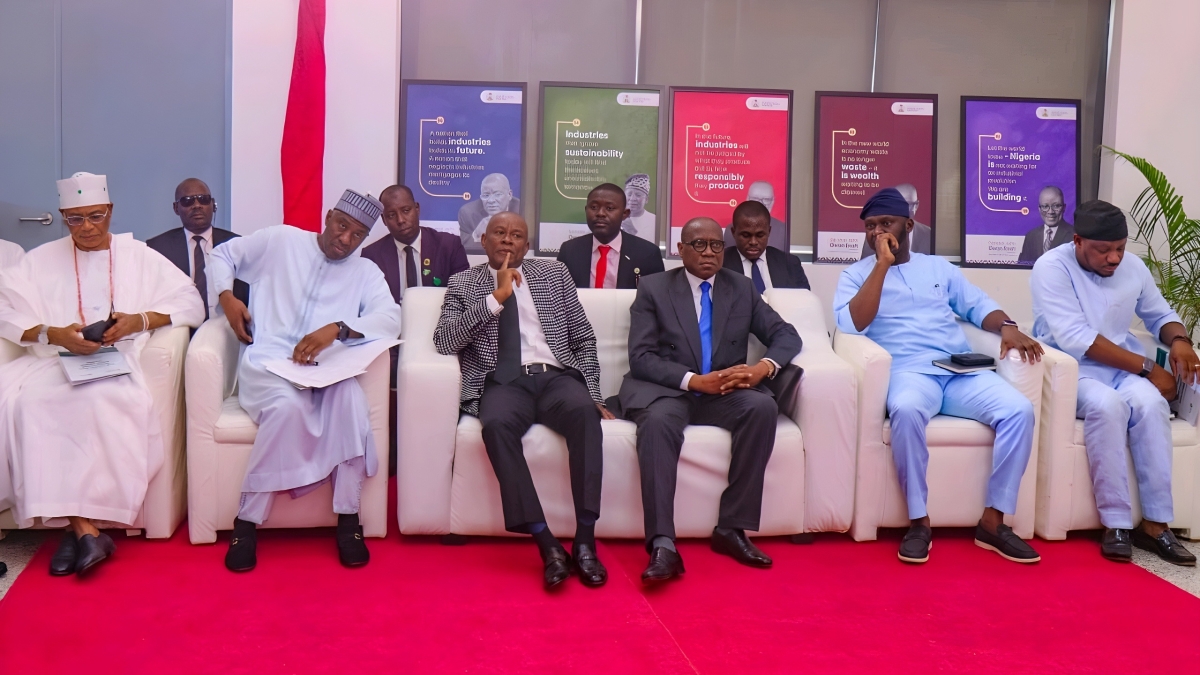
As part of efforts to ensure industrial growth and revive moribund industries, the Industrial Revolution Work Group (IRWG) convened a two-day technical session in Lagos, bringing together key stakeholders from the public and private sectors. The session for day one marked a decisive shift from policy discussions to actionable strategies, reinforcing a commitment to execution over rhetoric.

In his opening remark, the Permanent Secretary of the Federal Ministry of Industry, Trade, and Investment (FMITI), Ambassador Nura Rimi Abba, represented by Bala Mohammed, Director of the Industrial Development Department, stressed the urgent need for results-driven execution, highlighting the direct impact of industrial growth on employment, economic resilience, local production capacity, and export expansion.

The Director General of the Manufacturing Association of Nigeria (MAN) shared critical insights into the session’s thematic focus, emphasising the importance of collaboration between public and private sectors. Representing GIZ, Dr. Dada Olusegun reaffirmed the organisation’s commitment to sustainable development and its ongoing partnership with the ministry to drive skills development and sustainability.

The President of MAN and Co-Chair of IRWG, Otumba Francis Ivieshioye OFR, encouraged participants to actively contribute by leveraging their expertise to shape the future of Nigeria’s industrial sector.

Setting the tone for the discussions, Senator John Owan Enoh, Honourable Minister of State for Industry and Chairperson of IRWG, delivered a powerful address.

“We gather here today under no illusion. We are not here for symbolism or to add another page to government archives. We are here because something must change—permanently and decisively, in how we execute Nigeria’s industrial ambition.” Enoh stated.

He further noted that, for too long, industrial policy discussions lacked speed and consistency, resulting in slow and inconsistent progress. He emphasised that IRWG was established not as an advisory body but as an operational force focused on tangible results.

The Minister stated that the success of IRWG’s work must be measured by the momentum created, the systems improved, the industries revived, and the jobs enabled. To ensure accountability, he urged participants to focus discussions on execution, setting measurable targets for 90 days, six months, and one year while establishing a framework for continuous evaluation.

He also announced that the Draft National Industrial Policy was ready for revalidation and assured participants that it would serve as a dynamic framework tackling Nigeria’s most pressing industrial challenges, including energy insecurity, logistics issues, talent gaps, workforce development, and shifts in global supply chains.

Participants engaged in structured discussions centered on key industrial priorities such as unlocking long-term financing and incentives for SMEs and major industries, strengthening energy security and infrastructure to support manufacturing, simplifying bureaucratic processes to eliminate regulatory bottlenecks, promoting Made-in-Nigeria initiatives and enforcing anti-contraband measures, and addressing the skills gap while embracing technological innovation.

The session ended satisfactorily, reinforcing the need for execution-driven thinking while ensuring that every proposal translates into real industrial impact.