130A7485(1)

FG Officially Launches Project WHEAT-NESS

FG Officially Launches Project WHEAT-NESS

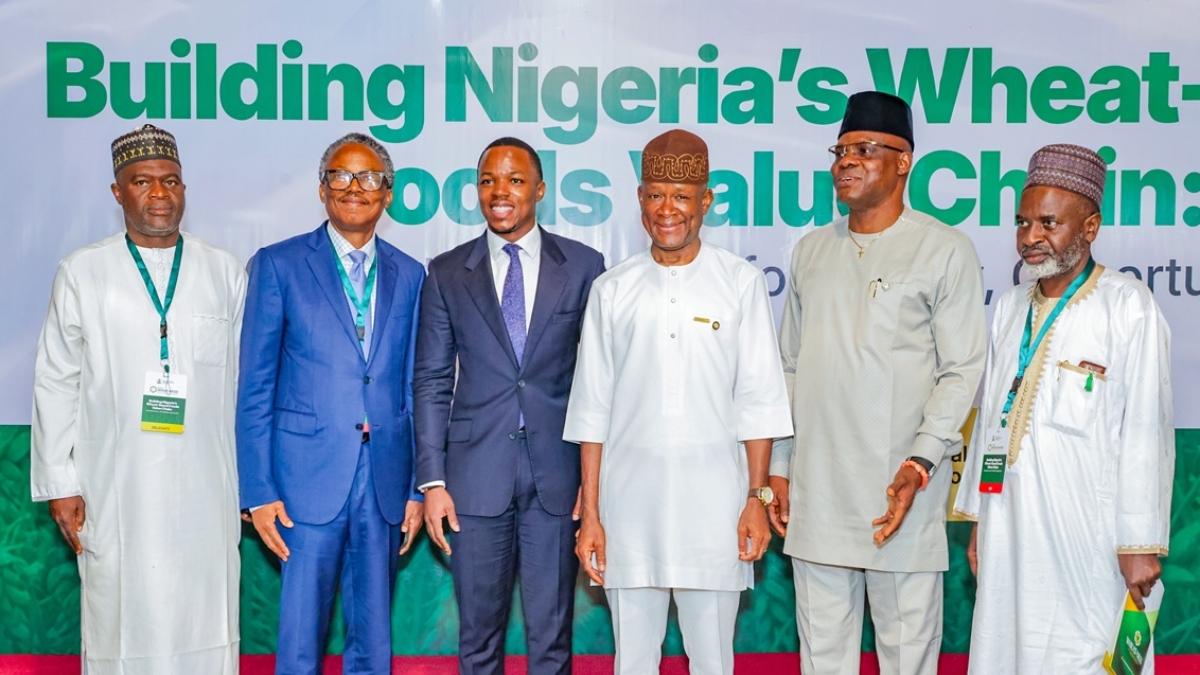
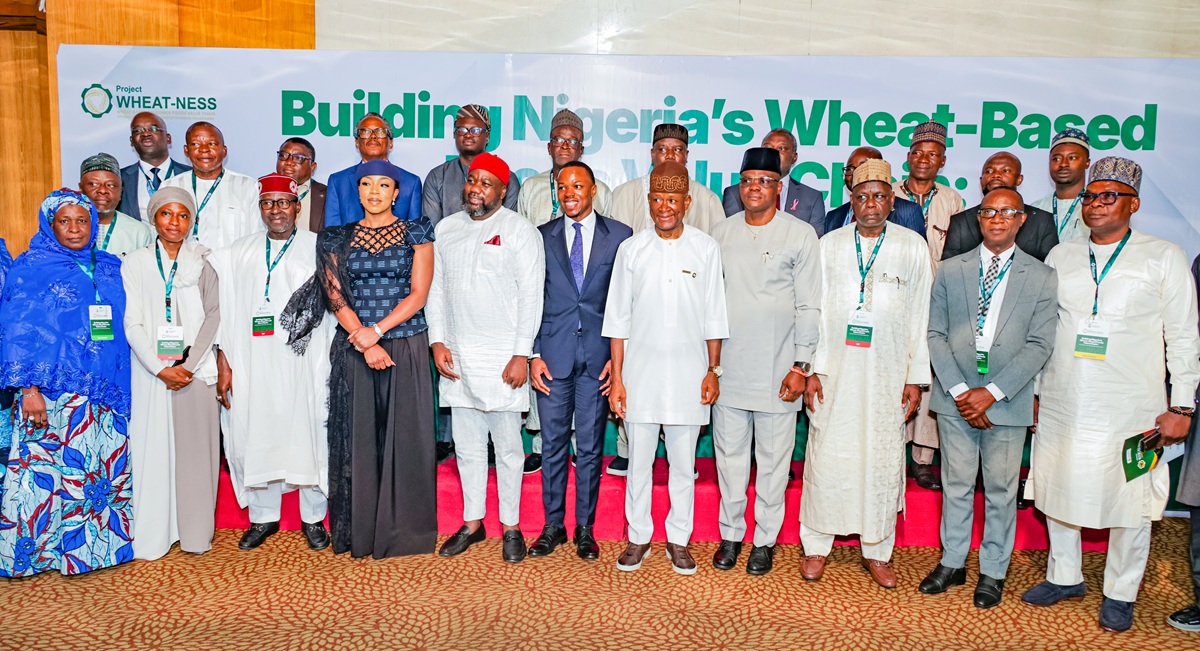
The Federal Government of Nigeria has on Wednesday, 14 October 2026, at a stakeholder engagement held at the Transcorp Hilton, Abuja, launched a Wheat-Based Consumer Foods Value Chain Optimisation and Cost Competitiveness Programme named Project WHEAT-NESS.

The programme is a national wheat value chain intervention approved by His Excellency, President Bola Ahmed Tinubu, GCFR. A Steering Committee chaired by the Honourable Minister of State for Industry, Senator John Owan Enoh, oversees the programme, while a Programme Delivery Unit (PDU) led by the National Programme Coordinator, Mr. Gerald Okunsebor, is responsible for delivery.

Project WHEAT-NESS takes a whole-chain view across five segments: upstream supply, industrial processing, downstream enterprise, consumer markets, and the finance and policy environment. It is expected to run for approximately 24 months.

The challenge is not only the volume of grain produced, but the cost, quality, consistency, financing, data baseline harmonization, and logistics of the whole chain from farm to table — determining the price Nigerian households pay for bread and other wheat-based foods.

Key Deliberations

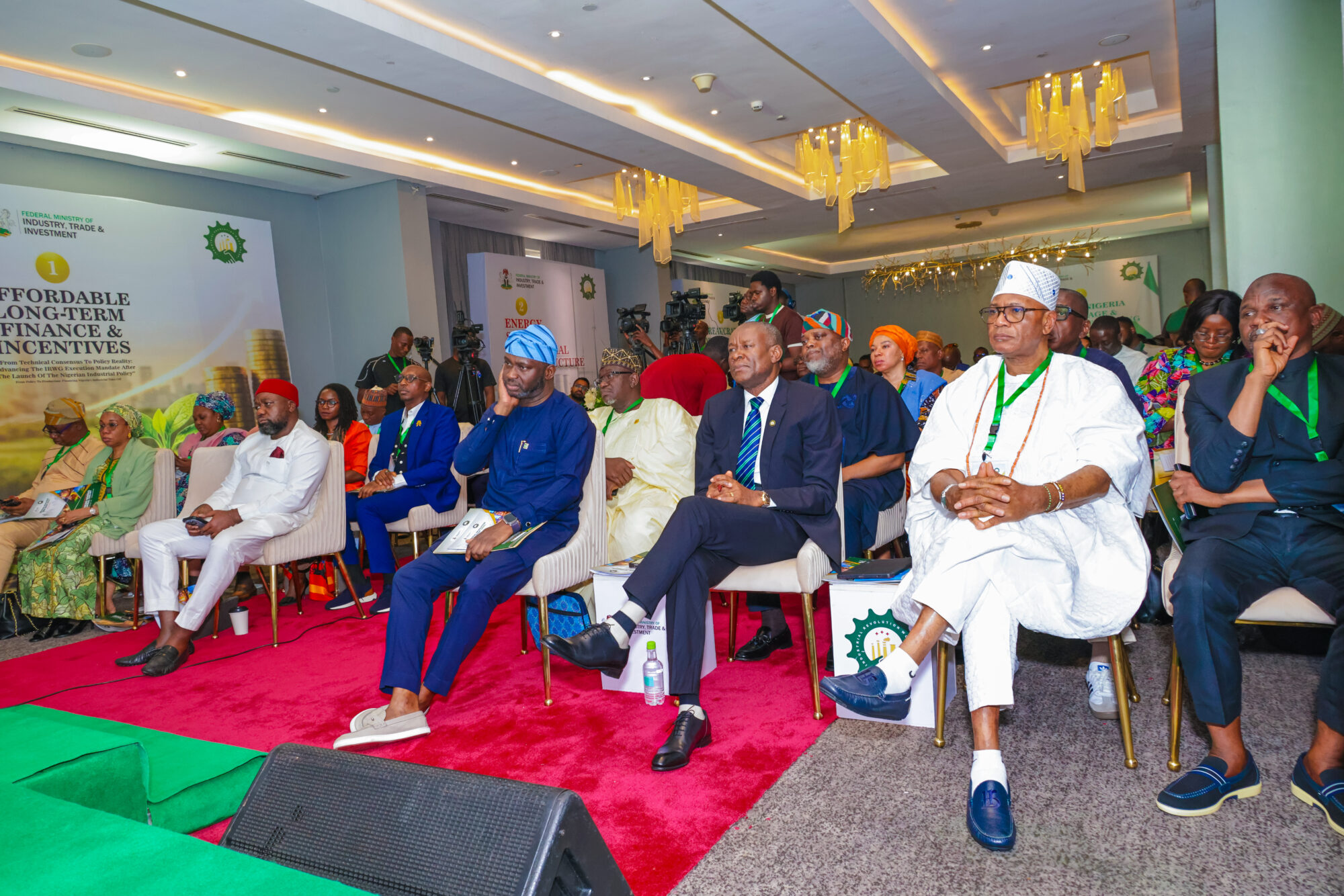
The Launch featured a Welcome Address by the Permanent Secretary of FMITI, opening remarks on behalf of the Honourable Minister of Finance and Coordinating Minister of the Economy, a goodwill message from the African Development Bank (AfDB), a presentation by the National Programme Coordinator, a Special Address on behalf of the President, and a Keynote Address by the Honourable Minister of State for Industry, who formally launched the programme

  • The Permanent Secretary stated that the programme would target a 10 to 15 per cent reduction in import dependence within its first three years, with potential foreign-exchange savings of US$200 million to US$300 million annually, and referenced a proposed Wheat-Based Consumer Food Value Chain Development Fund.
  • The representative of the Minister of Finance stressed the need for clear objectives, measurable targets, an effective monitoring framework, and the validation and harmonization of domestic production and import statistics against the latest National Bureau of Statistics, Ministry, and industry data.
  • The National Programme Coordinator explained that the programme will operate on two tracks — programmatic value chain activities and a blended-finance development fund — beginning with a comprehensive baseline assessment. Early interventions are expected before the end of 2026, and a memorandum of understanding with the Bank of Industry (BOI) is being formalized.
  • The Special Adviser outlined four commitments: coordination among trade, agriculture, industry and finance; affordable capital; affordable energy and infrastructure (including storage and logistics); and measurement through indices and KPIs.
  • The Honourable Minister of State affirmed that the programme is not a subsidy but a whole-chain programme, resting on three commitments: evidence before intervention, partnership by design, and accountability in the open.

High-Level Dialogue and Breakout Sessions

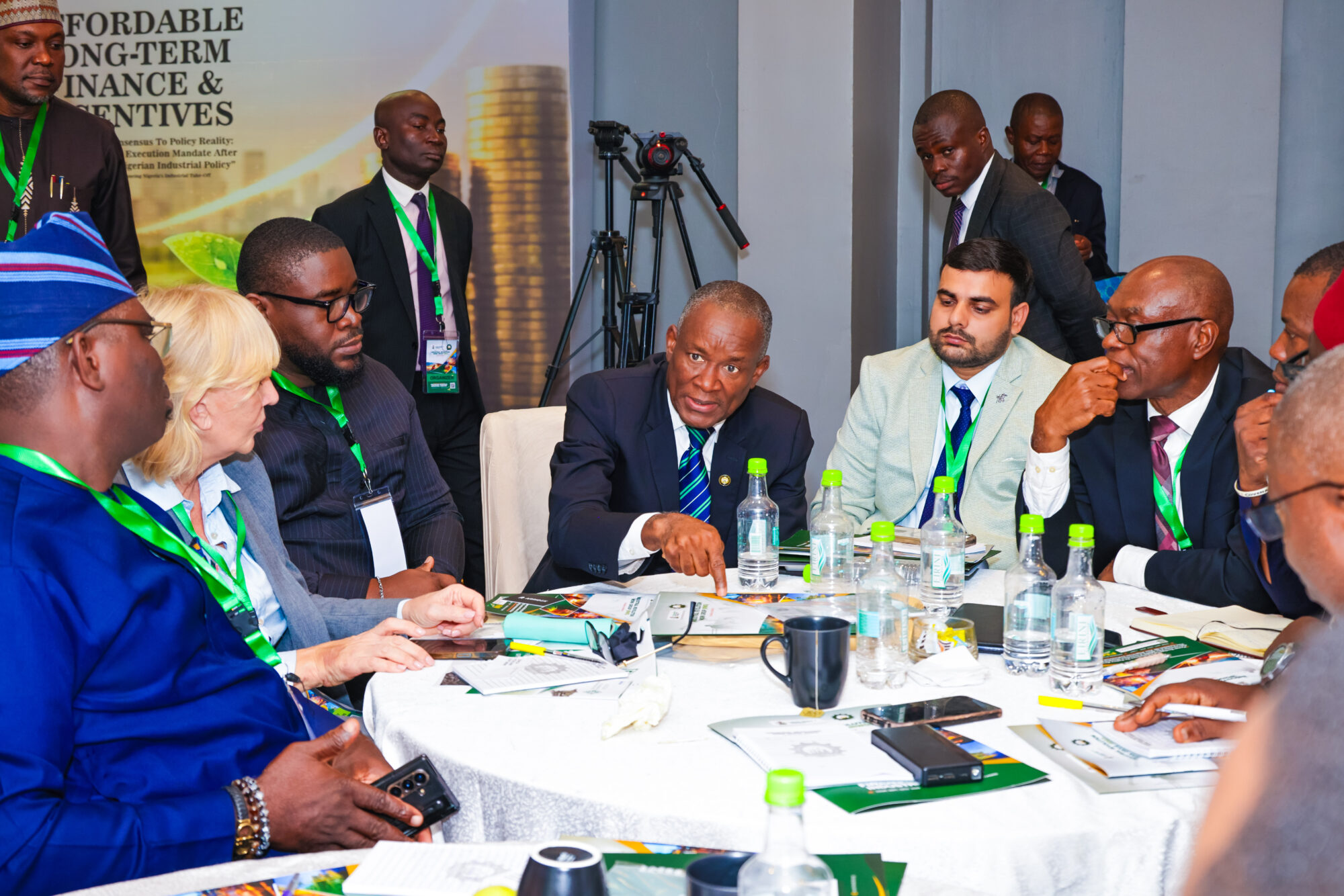
  • The high-level dialogue, “From Farm to Table: Building a Competitive, Efficient and Affordable Domestic Wheat Value Chain for the Nigerian Consumer,” was moderated by Ms. Yasmin Kamara-Osaghae of Manufacturing Africa.

    Technical evidence from the Federal Department of Agriculture established that seed variety availability is not the primary binding constraint. Over 21 released wheat varieties (including Norman, Imam, and Borlaug-100 FMAN) have demonstrated potential yields of 6.0, 7.1, and 8.2 tons per hectare. The principal agronomic constraints identified were strict adherence to the recommended planting window (15 November to 15 December, outside of which yield losses of up to 40% can occur) and the high cost of inputs, land preparation, machinery, and irrigation energy.

    ROOM A – UPSTREAM

  • Identified upstream supply chain fragmentation and seasonal yield inefficiency as the central problem. Key drivers included seed multiplication and demand forecasting gaps, high transportation costs from farms to processing hubs, variable quality specifications, and seasonal finance bottlenecks.

    ROOM B- Enterprise

  • Identified the high cost of doing business as the central problem. Key drivers included multiple taxation and levies, the cost of energy, and distribution and logistics challenges. Participants also stressed the need for consistent volume and quality of local grain at a price close to the imported equivalent, inventory-based finance, insurance, and policy continuity.
Proposals Put Forward for Consideration

  • The breakout sessions put forward the following proposals for consideration by the Steering Committee and the Programme Delivery Unit:

    1. A technical committee on inputs, seed demand forecasting, and policy, and consideration of whether a national wheat coordinating body is needed.
    2. A structured roundtable of millers, seed producers, and grain producers to establish binding quality/volume specifications, testing standards, and transparent off-take arrangements.
    3. Input support for seed, fertilizer, pesticide, and mechanization (harvesters, seed drills, irrigation) through subsidies, vouchers, or private sector pre-financing, supported by farmer and farm mapping.
    4. Adoption of the Nigeria Agricultural Development Fund framework and risk-sharing structures, with blended finance windows coordinated for wheat.
    5. Encouragement of millers to establish processing capacity in wheat-producing regions, supported by road logistics, irrigation, and local storage.
    6. Lower-cost, fit-for-purpose finance across the value chain, including single-digit lending for equipment such as solar-powered pumps for farmers and solar energy systems for bakeries.
    7. Operationalization of the warehouse receipt system and Nigeria Commodity Exchange (NCX) structured trading, supported by insurance, collateral management, and inventory-based working capital finance.
    8. A comprehensive review of multiple levies, taxes, and charges imposed on producers, processors, and distributors by federal, state, and local agencies.
  • Note: These proposals represent stakeholder inputs. The plenary signified general assent to the reports of the two rooms, but this assent was not a formal decision of the Steering Committee. No priority will be submitted without evidence, in line with the Honourable Minister of State’s mandate.

Next Steps....

    • The Programme Delivery Unit (PDU) will conduct a comprehensive baseline assessment across each part of the value chain, incorporating a data-harmonization exercise for domestic production and import metrics.
    • The memorandum of understanding between the PDU and the Bank of Industry (BOI), and potential collaboration frameworks with risk-sharing entities such as NIRSAL, will be formalized.
    • The first tranche of early interventions, drawn from breakout session outputs, is expected before year-end.
    • The PDU will log and follow up on every registration at the Partnership Registry Desk.
    • The programme team will continue engaging stakeholders by email, letter, and direct visits.

Key Outcomes...

    • Competitiveness and Affordability: A more efficient industry produces a fairer price for Nigerian households.
    • Production Costs as Central Constraint: Energy, logistics, input costs, high interest rates, and multiple levies were repeatedly cited as primary obstacles.
    • Industrial Grade Standards: Local grain must meet industrial processing requirements. Variety selection, agronomic compliance (especially the 15 Nov–15 Dec planting window), and testing standards are essential for industrial acceptance.
    • Fit-for-Purpose Finance: Financial products must be tailored — seasonal for farmers, patient for processors, accessible for small bakeries — and backed by inventory finance, warehouse receipts, and risk-sharing mechanisms.
    • Policy Continuity: Stakeholders urged a unified platform uniting government, industry, research institutes, and finance.
    • Evidence-Based Delivery: The programme rests on harmonized baseline data, clear KPIs, and regular progress reporting to the President.
    •  

Conclusion

  • The Launch marked the formal public commencement of Project WHEAT-NESS and provided stakeholders their first structured opportunity to present constraints and priorities to Government. The vote of thanks stressed that the conversation must translate into concrete actions, investments, and measurable outcomes.

    The Launch reaffirmed the commitment to sustained collaboration among government, industry, finance, research, and development partners to reduce production costs, improve local supply quality, and keep wheat-based foods affordable for all Nigerian households.

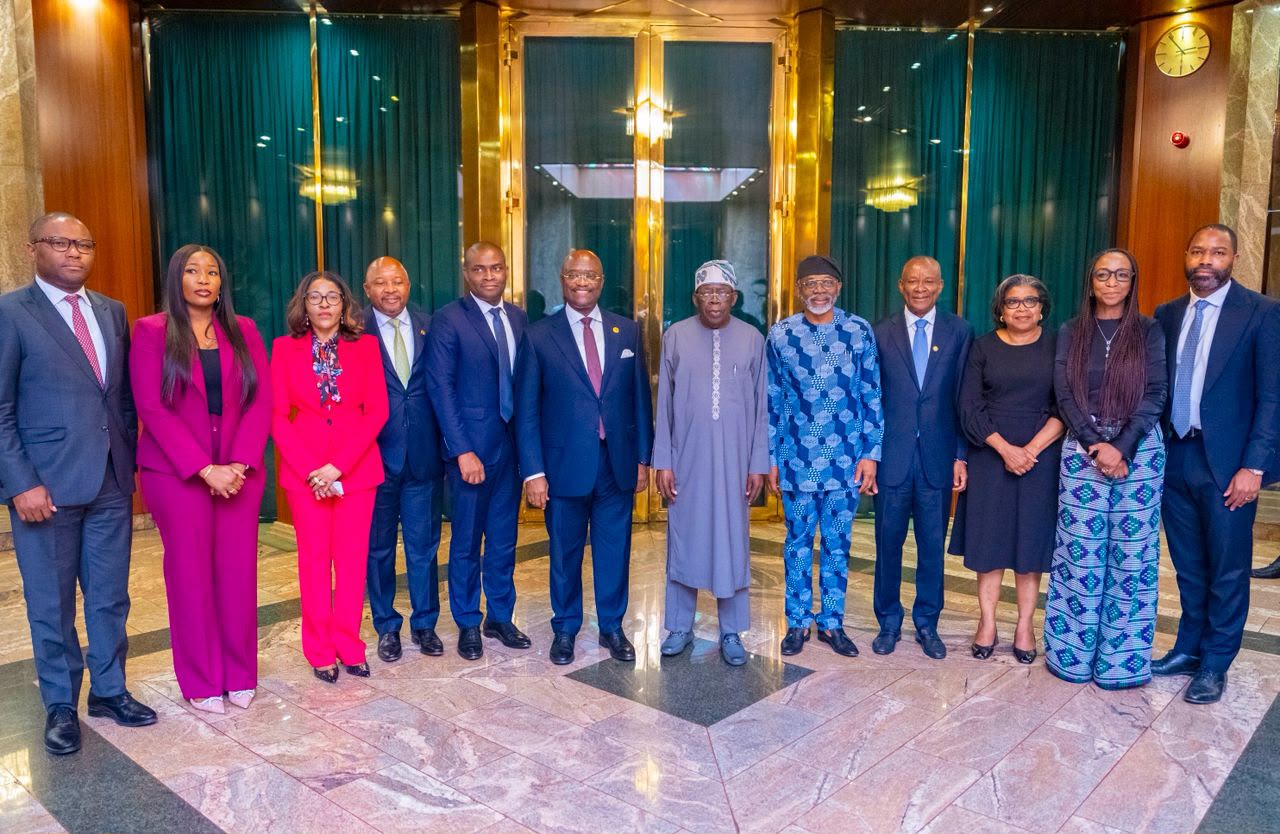
    The event concluded at approximately 5:00 p.m. following the vote of thanks on behalf of Mr. Mohammed Bala, Director of Industrial Development, FMITI, followed by a group photograph, networking, and engagement at the Partnership Registry Desk.
130A4541

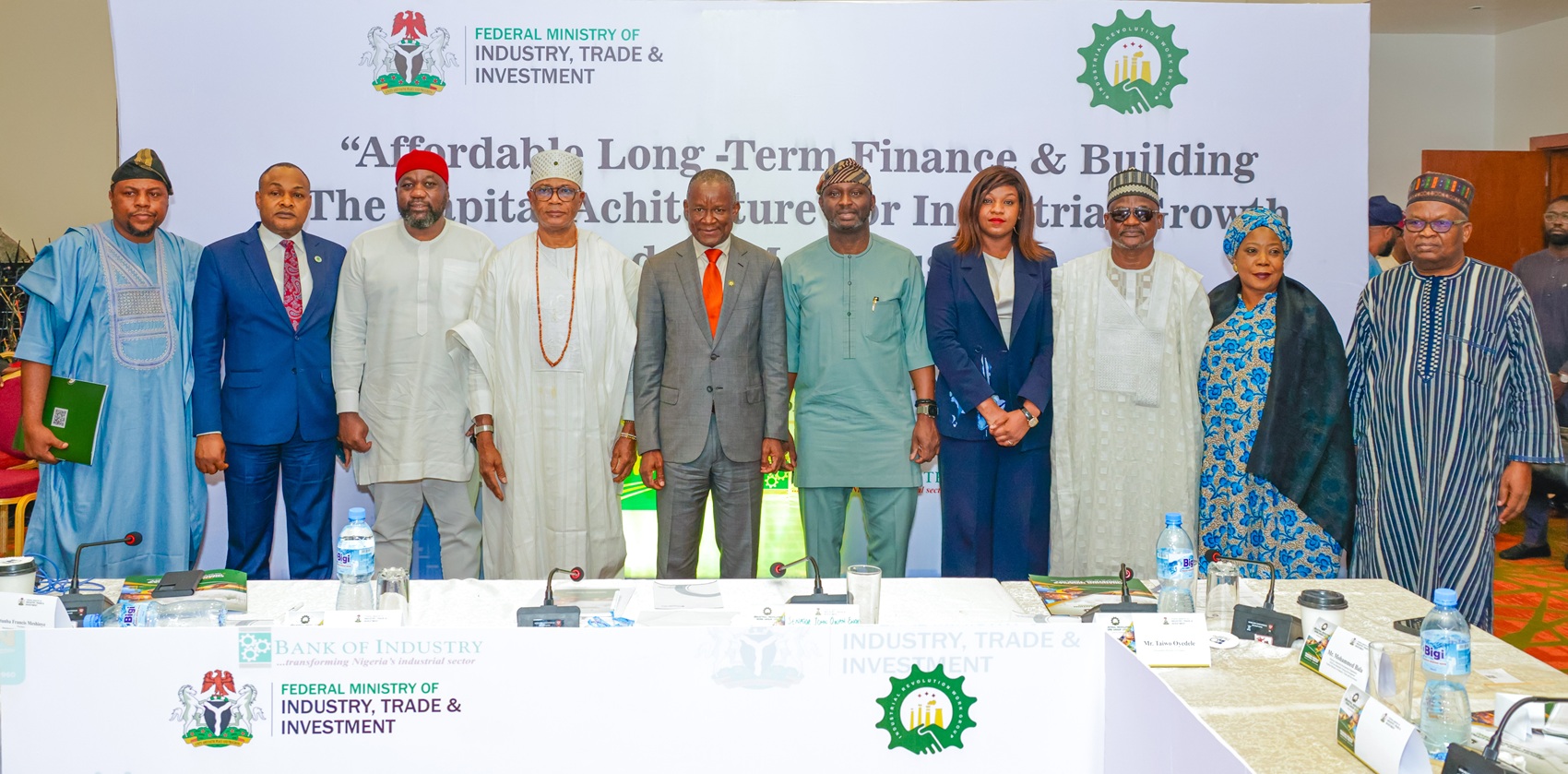
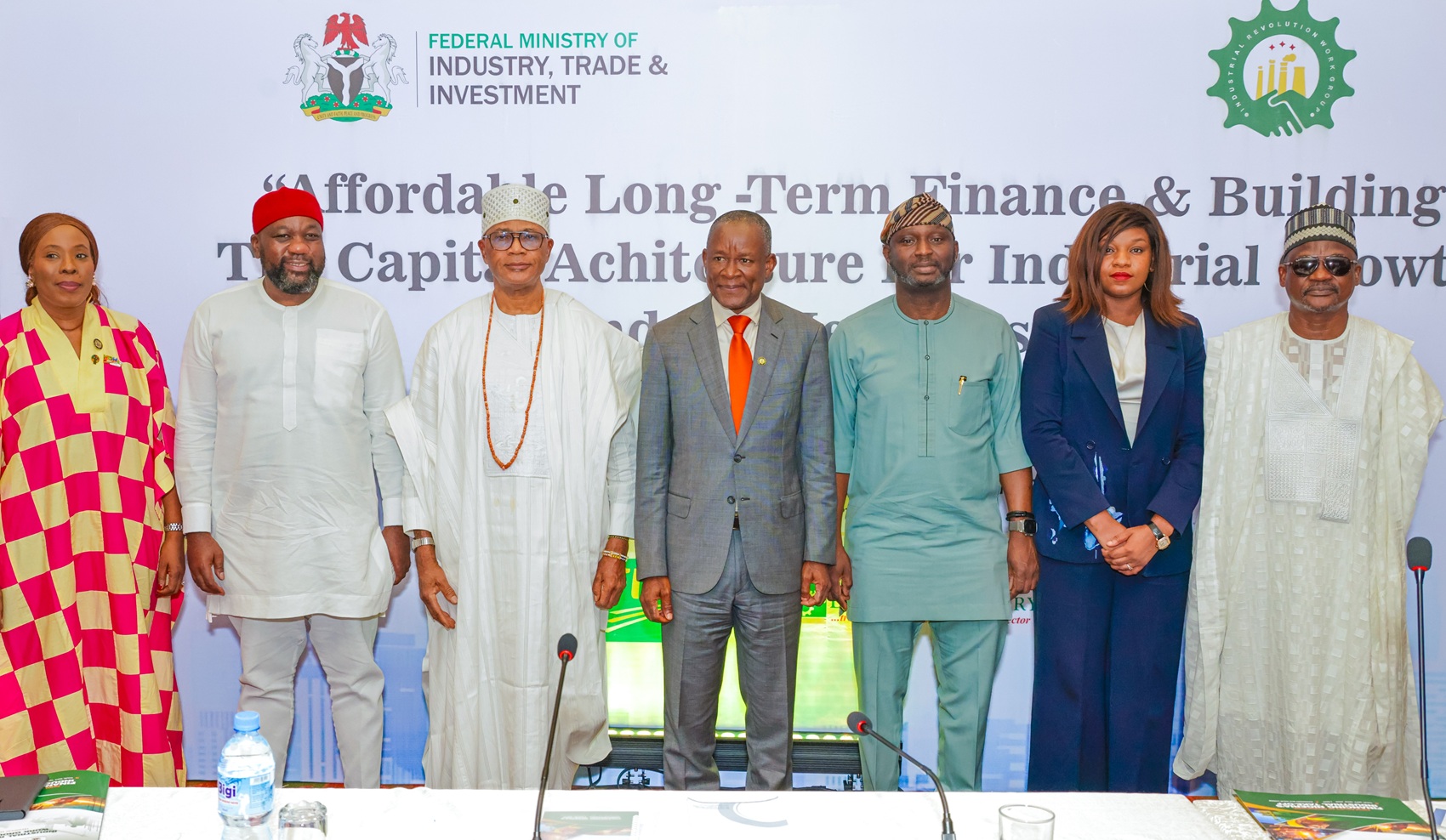
Federal Government Unveils Plans To Bridge Industrial Financing Gap as IRWG Ministerial Roundtable 2.0 Holds in Lagos.

Federal Government Unveils Plans To Bridge Industrial Financing Gap as IRWG Ministerial Roundtable 2.0 Holds in Lagos.

Roundtable proposes National Industrial Finance Compact and 30/60/90-Day Action Matrix; stakeholders to reconvene in two weeks for adoption

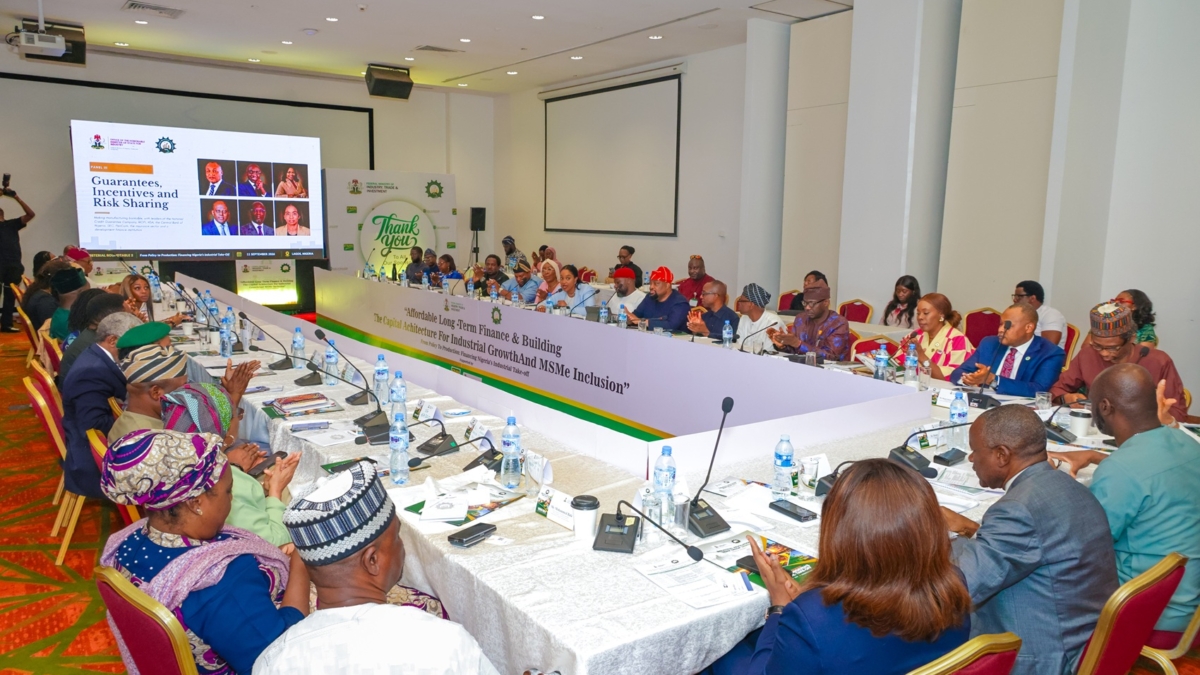
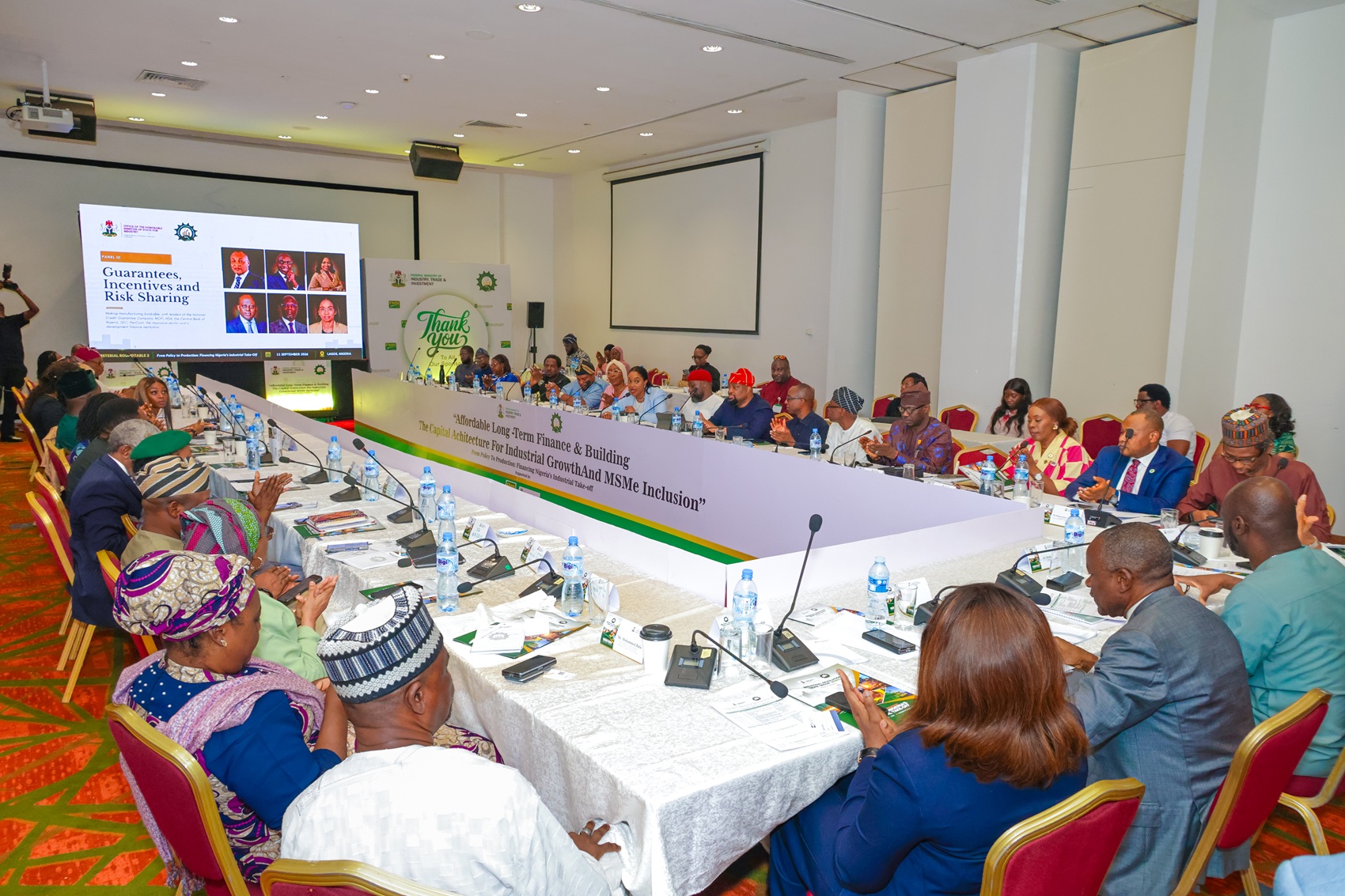
The Office of the Honourable Minister of State for Industry, Federal Ministry of Industry, Trade and Investment (FMITI), through the Industrial Revolution Work Group (IRWG), on Friday convened the Ministerial Roundtable 2.0 on Affordable Long Term Finance & Incentives, under the theme “From Policy to Production: Financing Nigeria’s Industrial Take Off,” bringing together senior government officials, development finance institutions, commercial banks, capital market institutions, manufacturers and MSMEs stakeholders to chart a coordinated path towards affordable, long term industrial finance.

Delivering the Keynote Address on behalf of the Honourable Minister of Finance and Coordinating Minister of the Economy, the Special Adviser on Finance and Investment noted that manufacturing investments with seven-, ten- or fifteen-year horizons are poorly served by prevailing lending conditions, and called for closer collaboration between government, regulators, development finance institutions and commercial capital providers to fix the disconnect between policy intent and actual disbursement. In a Special Address titled Financing Industrialisation Now: The Capital Question Behind the Nigeria Industrial Policy, the Honourable Minister of State for Industry emphasised the need to move from policy formulation to implementation, ensuring manufacturers can access capital that is affordable, appropriately structured and long tenored enough to support industrial investment.

The Managing Director/Chief Executive Officer of the Bank of Industry, Dr. Olasupo Olusi, presented findings showing a financing gap of about 66 percent in BOI’s 2025 pipeline N1.754 trillion applications against N645 billion in total funding — with sectors such as pharmaceuticals, mining and metals, and engineering recording gaps as high as 90 percent. He outlined BOI’s mobilisation of roughly US$7 billion from international capital markets over the past six years and called for a blended capital stack of long-term debt, equity, guarantees and project-preparation support to close the gap.

The Managing Director/CEO of the National Credit Guarantee Company (NCGC), Dr. Bonaventure Okhaimo, reported that the year-old institution has unlocked N46.95 billion in credit and issued N21.59 billion in guarantees across 25 states and the FCT, supporting over 67,500 borrowers and impacting more than 661,000 jobs through its partial credit guarantee model, which shares up to 60 percent of eligible credit losses with participating financial institutions. The Executive Director of FATE Foundation, Ayomide Akindolie Igwe, presented a proposed MSME Credit Framework combining enterprise-readiness assessment, credit guarantees and alternative underwriting, noting that while MSMEs account for about 96 percent of registered businesses and 80 percent of employment, they receive only about 1 percent of private credit. Three thematic panels on long-term industrial capital, MSME credit and collateral reform, and guarantees and risk-sharing, examined practical measures to align capital with the realities of industrial investment and agreed that finance must ultimately be judged by its ability to translate into installed productive capacity, jobs and export growth.

The Roundtable also received a proposed National Industrial Finance Compact, “Building the Capital Architecture for Industrial Growth and MSME Inclusion,” featuring twelve priority financing instruments led by institutions including BOI, NCGC, the Development Bank of Nigeria, NEXIM, Afreximbank, InfraCorp and the Africa Finance Corporation, alongside a proposed 30/60/90-Day Action Matrix for implementation. Participants agreed that the Compact requires further technical review and stakeholder consultation and will reconvene within two weeks to consider its formal adoption. Delivering the Closing Charge, the Honourable Minister of State for Industry commended participants for a candid and productive engagement, reaffirmed the Ministry’s commitment to sustained collaboration with financial institutions and manufacturers, and urged stakeholders to sustain the momentum towards finalising the Compact.

130A4261

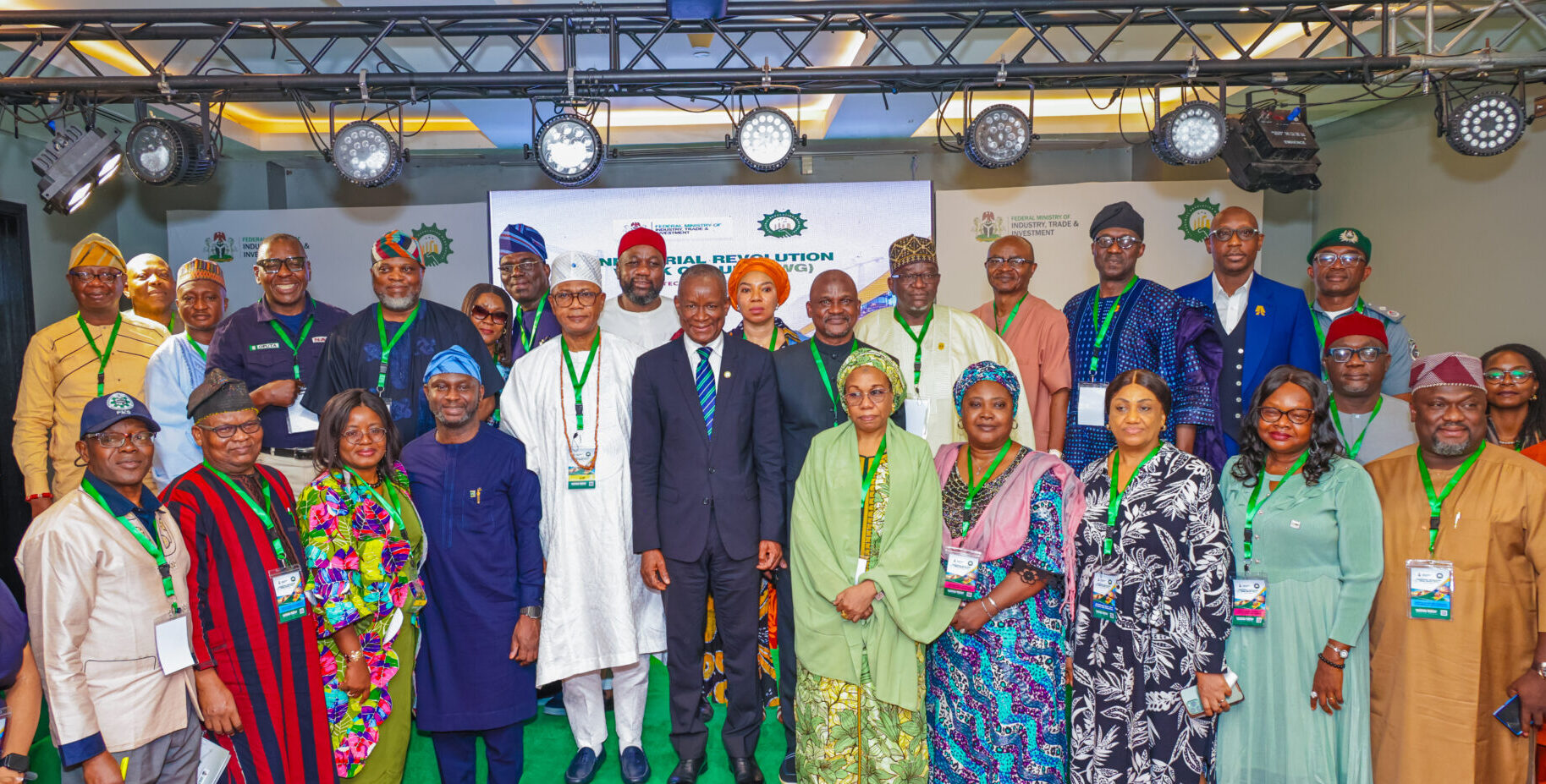
IRWG Technical Session 2.0 Charts “Execution Decade” for Nigeria’s Industrialization with Stakeholders.

IRWG Technical Session 2.0 Charts “Execution Decade” for Nigeria's Industrialization as Stakeholders Agree on a 30/60/90-Day Implementation Matrix.

Manufacturing grows 3.24% in Q2 2026 even as sector’s share of GDP dips to 7.72%; five priority pillars to anchor next phase of the Nigeria Industrial Policy

The Office of the Minister of State for Industry, Federal Ministry of Industry, Trade and Investment (FMITI), through the Industrial Revolution Work Group (IRWG), on Thursday convened Technical Session 2.0 in Lagos, bringing together Government, the organised private sector, financial institutions and development partners to review progress under the Nigeria Industrial Policy (NIP) 2025 and agree practical actions for the next 30, 60 and 90 days.

The Session noted that Nigeria’s manufacturing sector is showing signs of recovery, with output growing by 3.24 percent in the second quarter of 2026, even as its share of real GDP declined to 7.72 percent and the textiles, apparel and footwear sub-sector contracted by 1.23 percent. Persistent constraints identified included high energy costs, inadequate infrastructure, limited access to affordable long-term finance, regulatory bottlenecks, weak domestic market conditions and skill gaps.

In his central message to the Session, the Honourable Minister of State for Industry stated that Nigeria has moved beyond the question of whether to industrialise, and that the priority is now how quickly and effectively the country can execute its industrial strategy. He described the next phase as an ―execution decade,‖ to be measured by increased productive capacity, operational factories, employment, domestic value addition, exports and competitiveness. Participants noted that the IRWG has evolved from an initial diagnostic and policy platform into an implementation-focused public–private mechanism supporting the NIP 2025. Early progress highlighted included over US$380 million in strategic financing mobilisation, a proposed ₦350 billion MSME Development Fund, training of 400 young Nigerians in mechatronics, certification of 131 companies and 220 products for AfCFTA access, Bank of Industry quick-win interventions, progress on industrial energy solutions at Idu, and implementation of Nigeria First initiatives.

The Session stressed, however, that these represent foundations rather than completed transformation, with the immediate task being to convert commitments into actual disbursements, delivered infrastructure, financed firms, increased production, placed workers and awarded local contracts. Deliberations produced a consolidated 30/60/90-Day Implementation Matrix built around five interconnected pillars: Energy & Infrastructure, prioritising reliable and affordable power for industrial clusters through ring-fenced mini-grids and dedicated industrial power arrangements; Finance & Incentives, improving access to affordable, patient capital through cluster financing, credit guarantees, factoring and supply-chain finance; Made-in-Nigeria & Market Integrity, strengthening Nigeria First implementation and public procurement of locally manufactured products while tackling counterfeiting and weak standards; Regulatory Reform, reducing the cost and uncertainty of doing business through a government-wide audit of permits and licences and digital regulatory processes; and Skills & Innovation, aligning training with industry demand and expanding apprenticeships, internships and advanced manufacturing skills. A major outcome of the Session was agreement that the five pillars cannot operate independently, given the interdependence of energy, finance, regulation, market access, skills, technology, data and institutional coordination.

Stakeholders called for a consolidated implementation and dependency framework identifying what must be delivered, by whom, by when, and what depends on what— with the IRWG’s tracking approach shifting from activities to outcomes such as capital disbursed, megawatts delivered, enterprises financed, workers certified and placed, local contracts awarded and exports generated. The Session agreed six immediate priorities: adopting a single consolidated 30/60/90-Day Implementation Matrix with clear institutional ownership and measurable indicators; selecting a limited number of priority value chains and industrial locations for accelerated implementation; establishing a quarterly industrial scorecard distinguishing commitments from results; agreeing a 90-day regulatory quick-win agenda and escalation mechanism; linking skills programmes directly to employer demand, certification and placement; and making future IRWG reviews increasingly evidence- and results-driven. Participants noted that the forthcoming Ministerial Roundtable will further address industrial financing and is expected to support development of a National Industrial Finance Compact, setting out financing instruments, responsible institutions and a 30/60/90-day implementation framework.

Concluding the Session, stakeholders agreed that Technical Session 2.0 marked a clear transition from policy ambition to execution, with the immediate priority being to coordinate existing initiatives, remove binding constraints and hold institutions accountable for delivery. The measure of success, it was agreed, will ultimately be visible on the factory floor—more productive factories, stronger domestic value chains, lower production costs, increased Made-in-Nigeria procurement, more jobs, higher exports and a larger, more competitive manufacturing sector.

IMG_0132.JPG

Federal Government Inaugurates Steering Committee For Project Wheat-Ness, Sets Stage For Transformation Of Nigeria’s….

Federal Government Inaugurates Steering Committee For Project Wheat-Ness, Sets Stage For Transformation of Nigeria's Wheat-Based Foods Sector

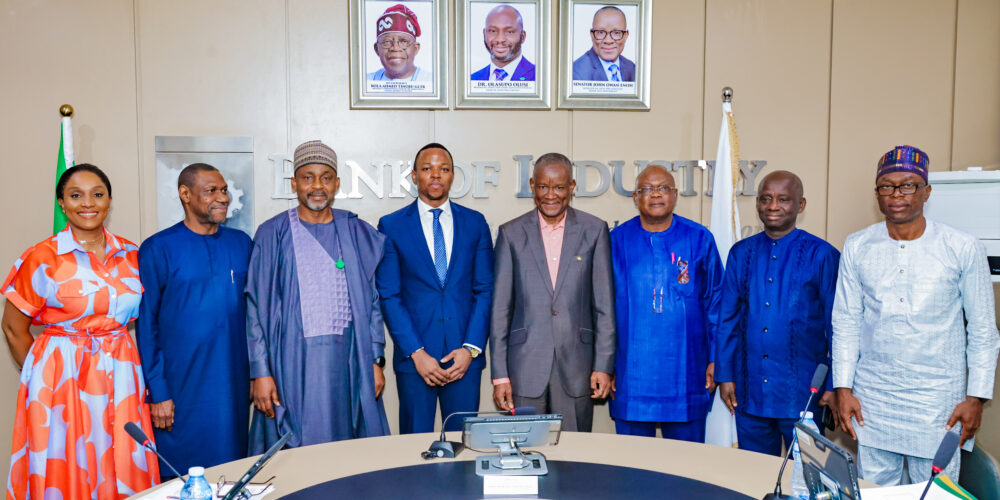
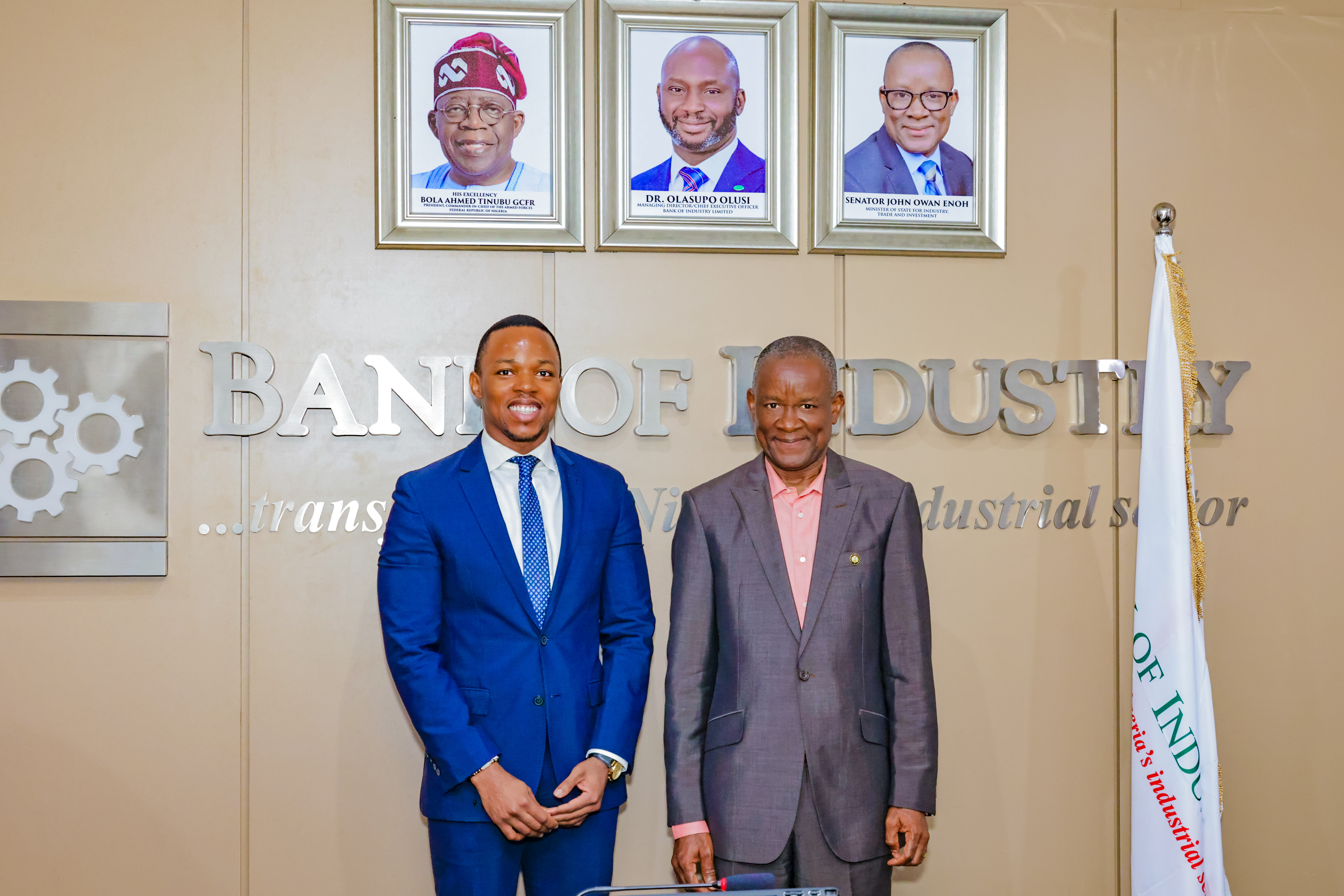
The Honourable Minister of State for Industry today inaugurated the Steering Committee for Project WHEAT-NESS (Wheat-Based Consumer Foods Value Chain Optimisation and Cost Competitiveness Programme), a national initiative approved by President Bola Ahmed Tinubu, GCFR, to transform Nigeria’s wheat-based consumer foods value chain and improve the affordability of staple wheat-based foods for millions of Nigerian households.

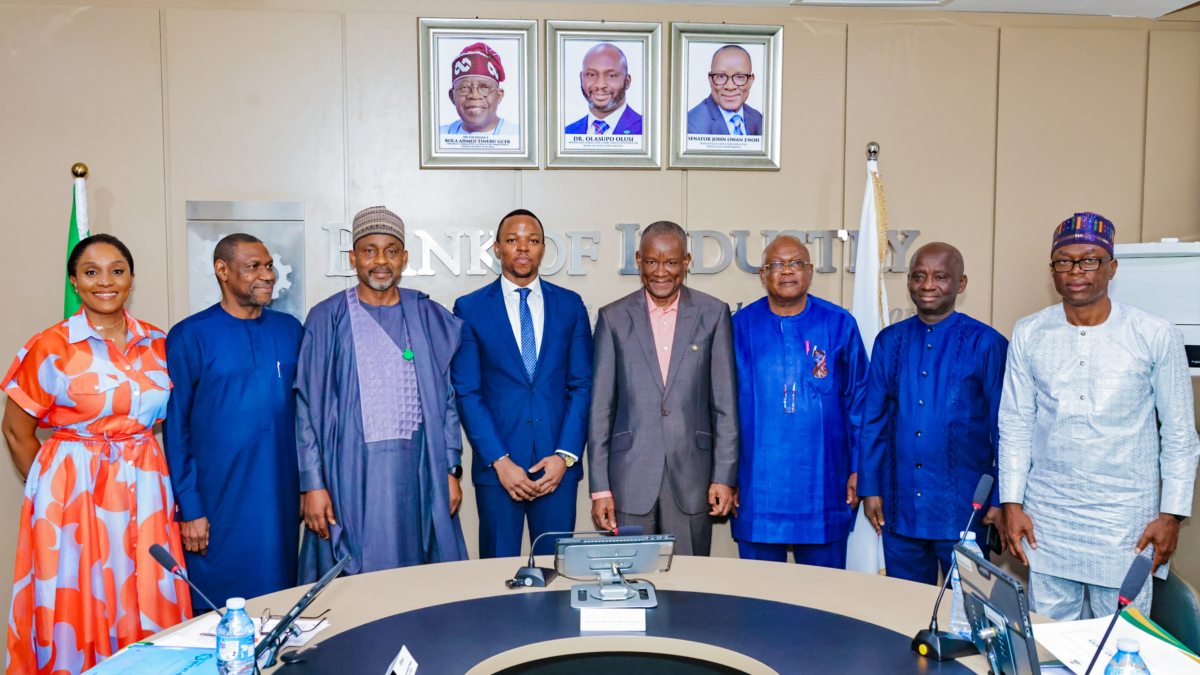
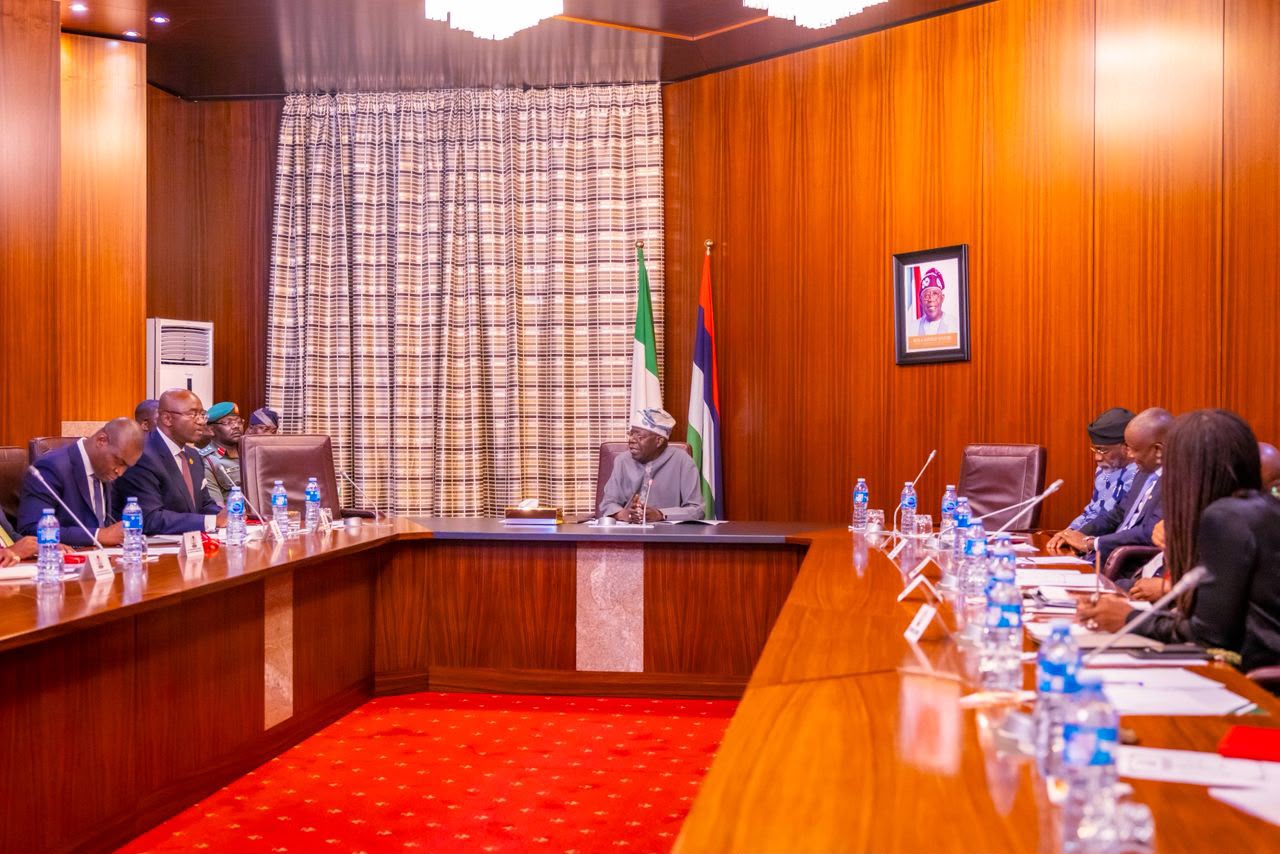
The event, held at the Bank of Industry, Tower 1, Central Business District, Abuja, formally constituted the Committee that will provide strategic direction and oversight for the Programme, and marked a major milestone in moving Project WHEAT-NESS from presidential approval to full implementation.

Project WHEAT-NESS is designed to catalyse the transformation of Nigeria’s wheat-based consumer foods value chain by addressing critical value-chain bottlenecks, improving enterprise productivity and competitiveness, and stimulating demand for Made-in-Nigeria wheat-based foods.

The Programme responds directly to improving the cost of wheat-based staple foods for Nigerian households, a burden driven in large part by the country’s heavy reliance on wheat imports and a value chain that remains fragmented and inefficient across milling, processing, and distribution. By making the value chain more efficient — from input supply through to the finished product on the shelf — the Programme is expected to ease production costs, stabilise prices, and place affordable, quality wheat-based foods within easier reach of Nigerian families.

Value Chain Development

strengthening upstream inputs, industrial integration, and supply chain efficiency across the sector.

Enterprise Development

Supporting millers, bakers, and other MSMEs across the value chain to expand and modernise their operations.

Made-in-Nigeria Patronage

building consumer confidence in, and driving demand for, locally produced wheat-based foods.

The Steering Committee, which will provide strategic direction and oversight for the Programme, is composed as follows:

  • Chairperson: Senator John Owan Enoh, Honourable Minister of State for Industry, Federal Ministry of Industry, Trade and Investment
  • Member: Mr. Raymond O. Omachi, Permanent Secretary (Finance), Federal Ministry of Finance; Represented by Mr. Dalhat Muhammad Kamal, Director, Permanent Secretary’s Office
  • Secretary: Mr. Telta Naphtalie David, Representative, Deputy Director, Federal Department of Agriculture, Ministry of Agriculture and Food Security
  • Member: Mr. Eyo Asuquo, Representative from the Organised Private Sector

Mr. Gerald Okunsebor has been appointed Programme Coordinator, and will lead the Programme Delivery Unit responsible for the Programme’s day-to-day implementation. Mr. Okunsebor brings to the role a background in global management consulting, where he managed complex, multi-stakeholder projects, alongside experience in government advisory work supporting public sector institutions on policy implementation and delivery. His appointment reflects the Programme’s emphasis on strong, professional execution capacity at the helm of its delivery unit.

With the Steering Committee now inaugurated and the Programme Charter adopted, the Programme Delivery Unit will proceed with the operational steps required to bring Project WHEAT-NESS fully to life, including the finalisation of the Programme’s account and budget, and the roll-out of the Programme’s value chain and enterprise support activities.

_30A1201 (1)

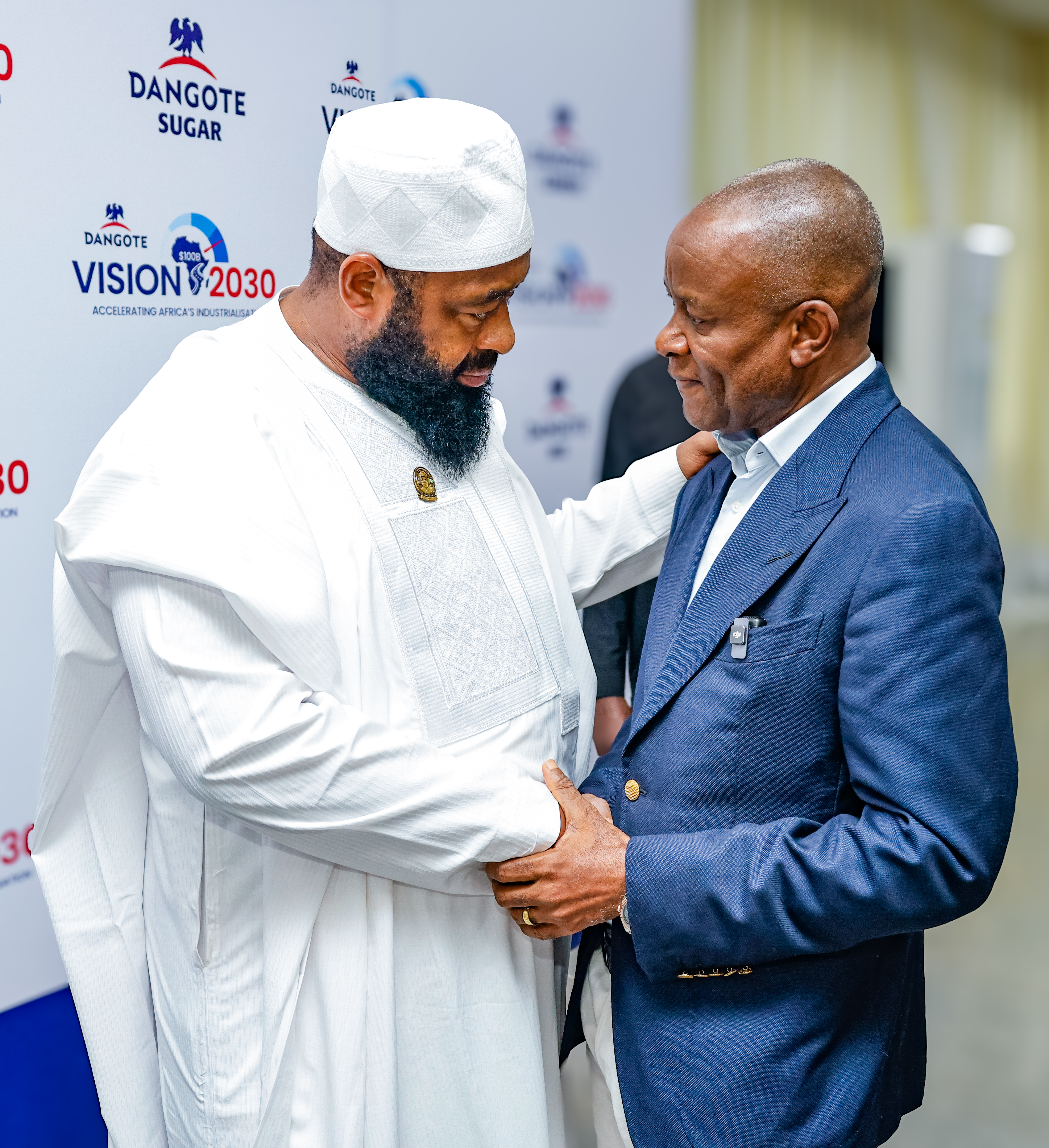
Dangote Endorses Tinubu’s $1 Trillion Economic Vision, Commends Owan Enoh’s Industrial Drive

Dangote Endorses Tinubu's $1 Trillion Economic Vision, Commends Owan Enoh's Industrial Drive

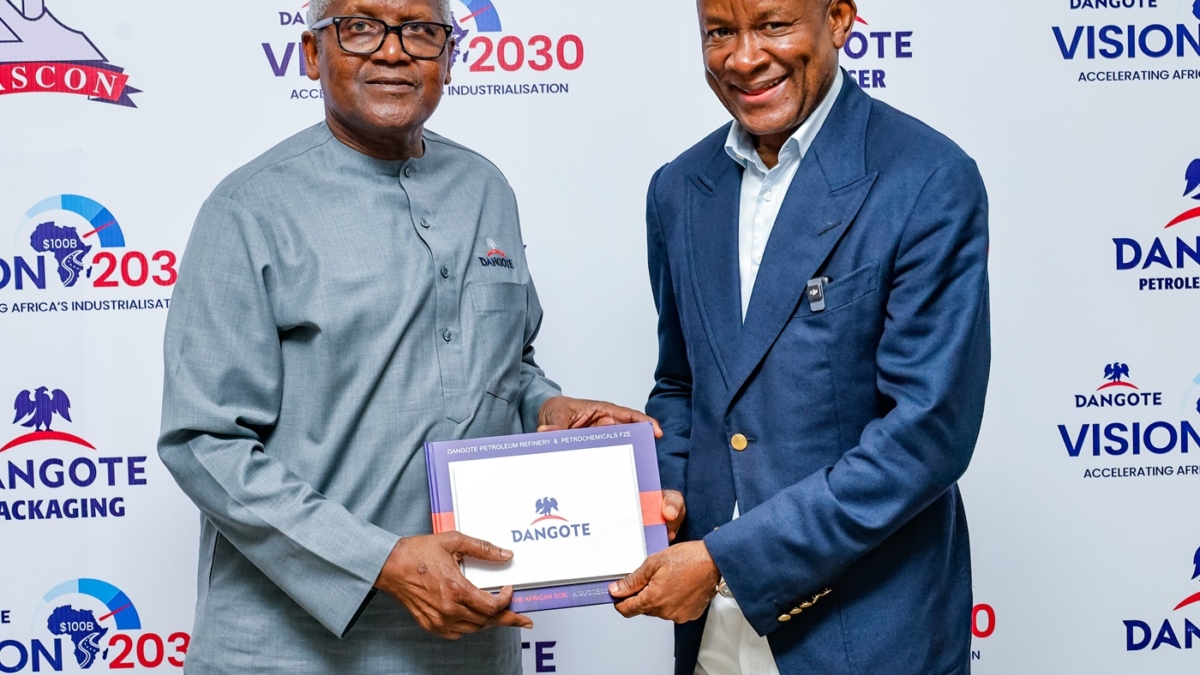
President and Chief Executive Officer of Dangote Industries Limited, Aliko Dangote, has endorsed President Bola Ahmed Tinubu’s ambition to grow Nigeria’s economy to $1 trillion, describing the target as achievable and urging sustained focus on industrialisation as a foundation for national prosperity.
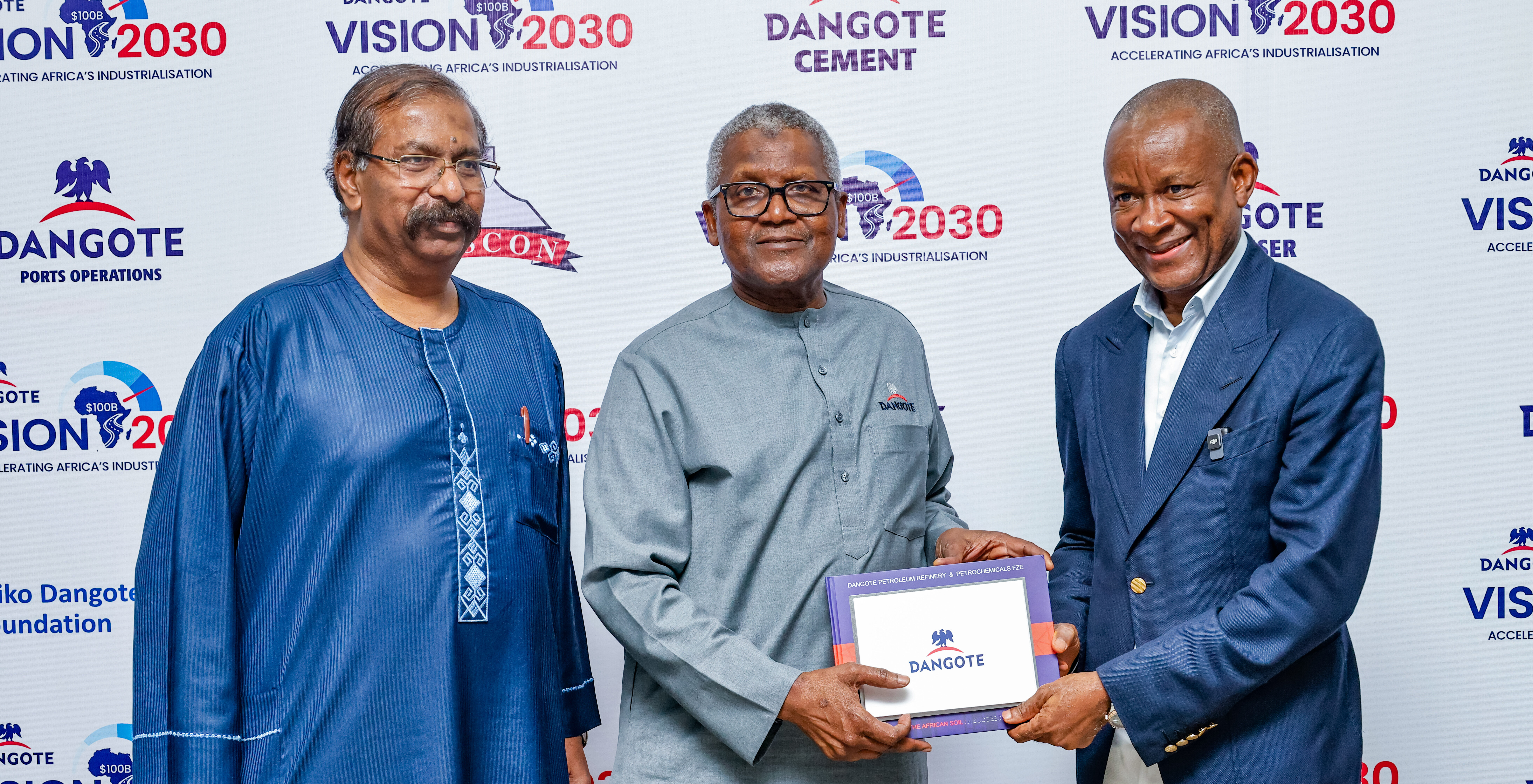
Dangote made the remarks on Wednesday, 29 July 2026, during a high-level visit by the Minister of State for Industry, Senator John Owan Enoh, to the Dangote Petroleum Refinery, Petrochemicals Complex and Dangote Fertiliser Limited in Lekki, Lagos.


Senator Owan-Enoh led a delegation from the Federal Ministry of Industry, Trade and Investment comprising the Director-General of the Oil and Gas Free Zones Authority (OGFZA), the Director-General of the Industrial Training Fund (ITF), senior directors, regulators and heads of agencies under the Ministry. The delegation was also joined by the Governor of Niger State, Mohammed Umar Bago.
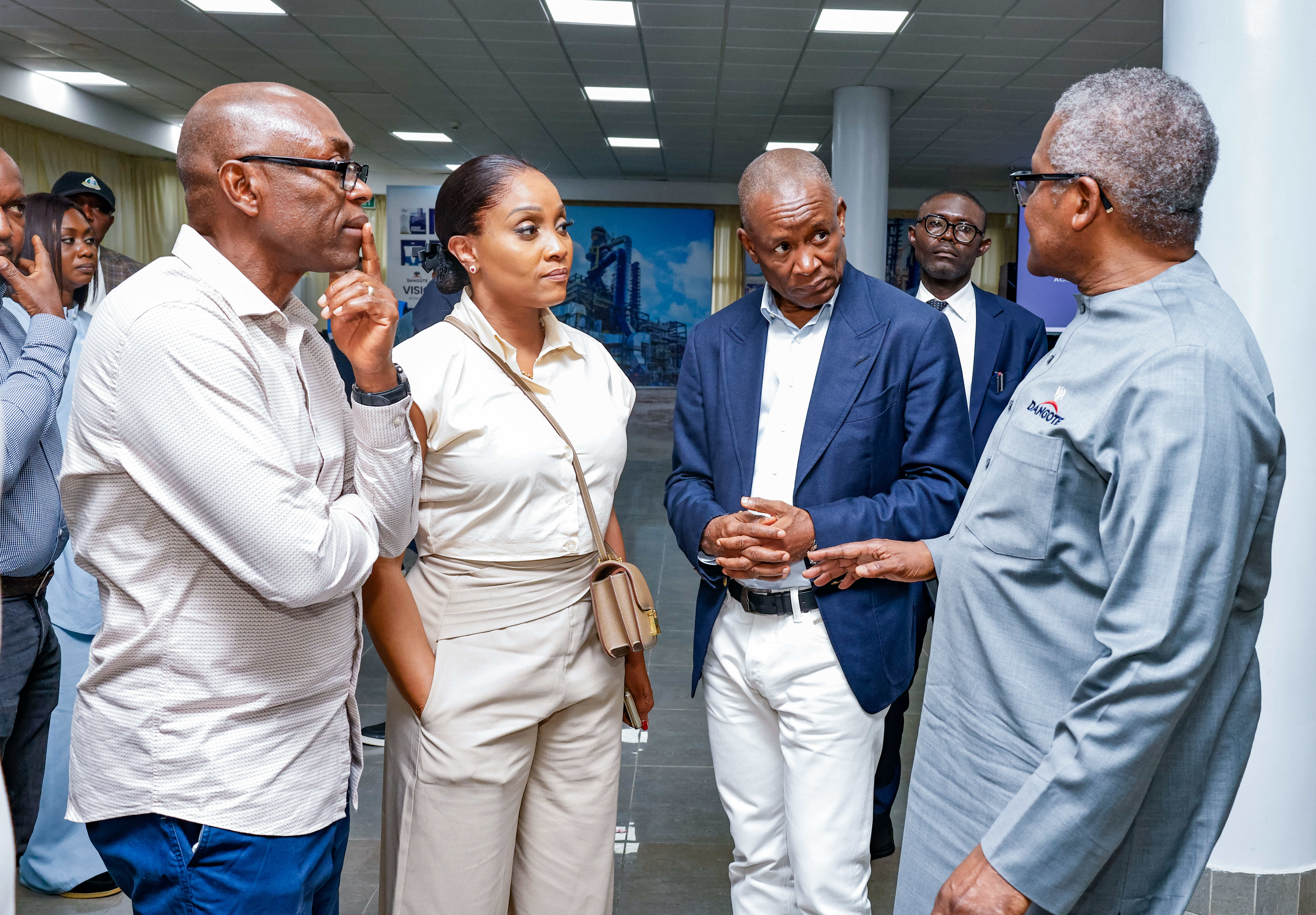
The delegation toured the integrated industrial complex, which occupies more than 2,600 hectares and includes the 700,000-barrel-per-day Dangote Petroleum Refinery, as well as major petrochemical and fertiliser facilities.
Speaking during the visit, Dangote said the President’s $1 trillion economic target was realistic and achievable, noting that Dangote Group had aligned its own growth ambition with the national objective.


“President Tinubu’s target of achieving a $1 trillion economy by 2030 is achievable. That is why we took out of that vision of a $1 trillion economy so that we can contribute $100 billion, which is 10 percent,” Dangote said.
He also commended President Tinubu for appointing Senator John Owan Enoh as Minister of State for Industry, describing the Minister’s commitment to industrial development and policy implementation as exceptional.

According to Dangote, sustained industrial investment, effective policy implementation and a strong manufacturing base will be critical to Nigeria’s economic transformation.
“We have worked with many Ministers of Industry over the years, but I can confidently say that his commitment is exceptional. His ministry will play a critical role in attracting investment, creating jobs and driving the President’s one trillion-dollar economy agenda,” he said.


Dangote further emphasised the importance of industrialisation to national development, stressing that countries that have achieved sustained economic prosperity have built strong productive and manufacturing capacities.
He called for policy consistency and an enabling environment capable of supporting long-term private-sector investment, while reaffirming Dangote Group’s commitment to developing industrial platforms that contribute to economic growth, energy security, food security, employment and Africa’s broader economic transformation.


OWAN-ENOH: DANGOTE COMPLEX SYMBOLISES NIGERIA’S INDUSTRIAL POTENTIAL
Speaking during the visit, Senator John Owan Enoh described the Dangote industrial complex as one of the most significant private-sector investments in Africa and an important demonstration of Nigeria’s capacity to undertake large-scale industrial production.
“You cannot be a Minister in charge of Industry and not visit the Dangote Refinery. This facility matters because of what it represents for Nigerian industry, for our people and for the realisation of President Bola Tinubu’s vision of a one trillion-dollar economy,” the Minister said.

Senator Owan-Enoh noted that the Dangote Refinery represents a major shift in Nigeria’s industrial and energy landscape, particularly through domestic refining and the production of other industrial inputs that can support value addition and reduce dependence on imports.
He said the complex demonstrates what can be achieved when capital, technology, entrepreneurship, government policy and a long-term commitment to industrial development converge.
The Minister also linked the growth of large-scale industrial investments to the implementation of the Nigeria Industrial Policy, which provides a framework for expanding manufacturing, strengthening domestic production, promoting investment and increasing the contribution of industry to the Nigerian economy.
He reaffirmed the Federal Ministry of Industry, Trade and Investment’s commitment to working with private-sector investors, regulatory agencies and other stakeholders to address barriers to industrial investment and strengthen the conditions required for sustainable industrial growth.
Senator Owan-Enoh said the Ministry would continue to deploy its agencies, the Industrial Revolution Work Group and other institutional mechanisms to support the implementation of Nigeria’s industrial development priorities.


GOVERNMENT AND PRIVATE SECTOR PARTNERSHIP
The visit underscored the importance of stronger collaboration between government and indigenous industrial investors in advancing Nigeria’s industrialisation agenda.
The Dangote industrial complex, with its refinery, petrochemical and fertiliser operations, provides an example of the scale of investment required to expand domestic productive capacity, create employment, support industrial value chains and position Nigeria as a competitive manufacturing and exporting economy.
The engagement also provided an opportunity for the Minister and senior government officials to gain first-hand insight into the operations, technological capabilities and investment potential of one of Nigeria’s largest industrial complexes.


The Federal Ministry of Industry, Trade and Investment reaffirmed its commitment to creating a policy environment that encourages productive investment, strengthens local manufacturing, promotes value addition and supports the emergence of globally competitive Nigerian industries.
The visit forms part of the Ministry’s continuing engagement with major industrial investors and stakeholders as the Federal Government pursues its broader industrialisation and economic transformation agenda under the Renewed Hope framework.

WhatsApp Image 2026-07-07 at 19.15.24 (1)

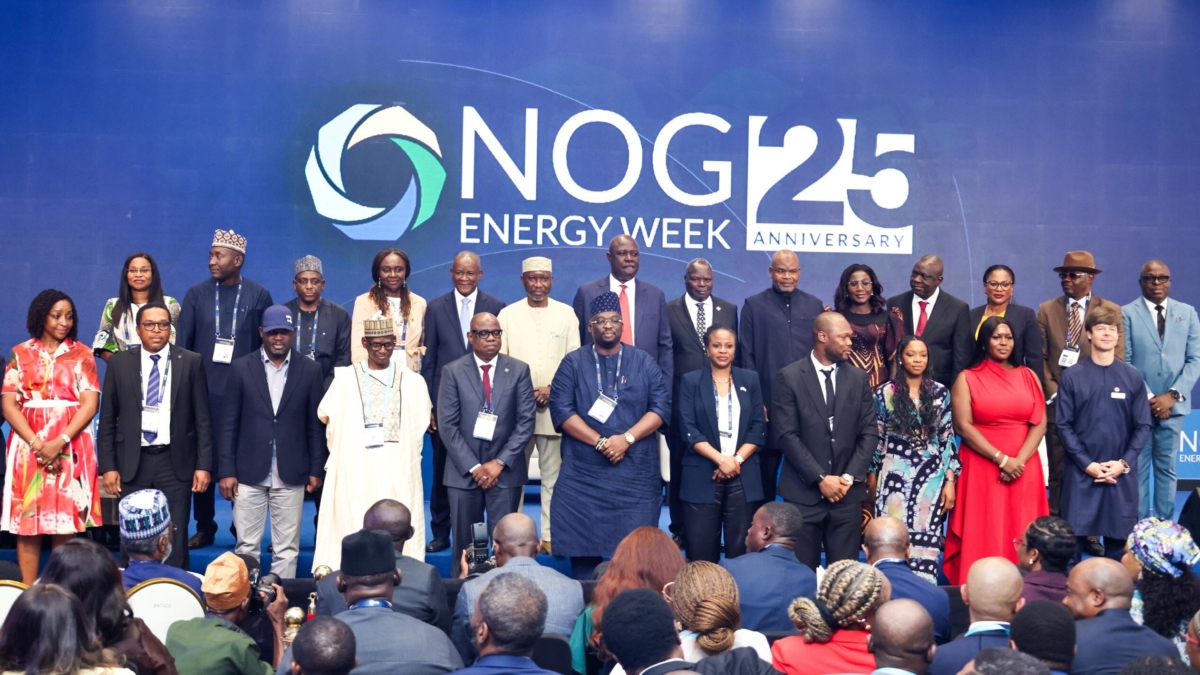
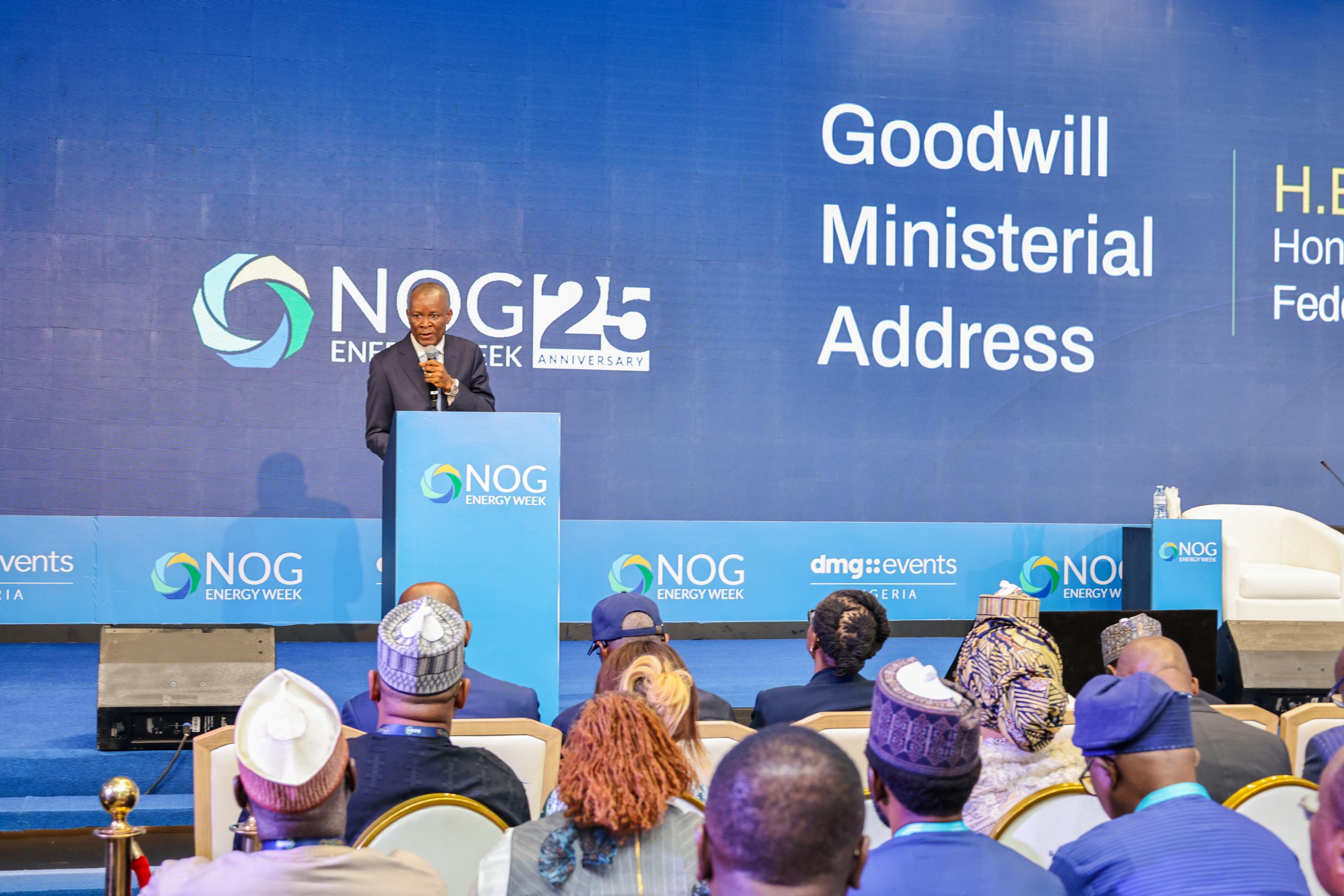
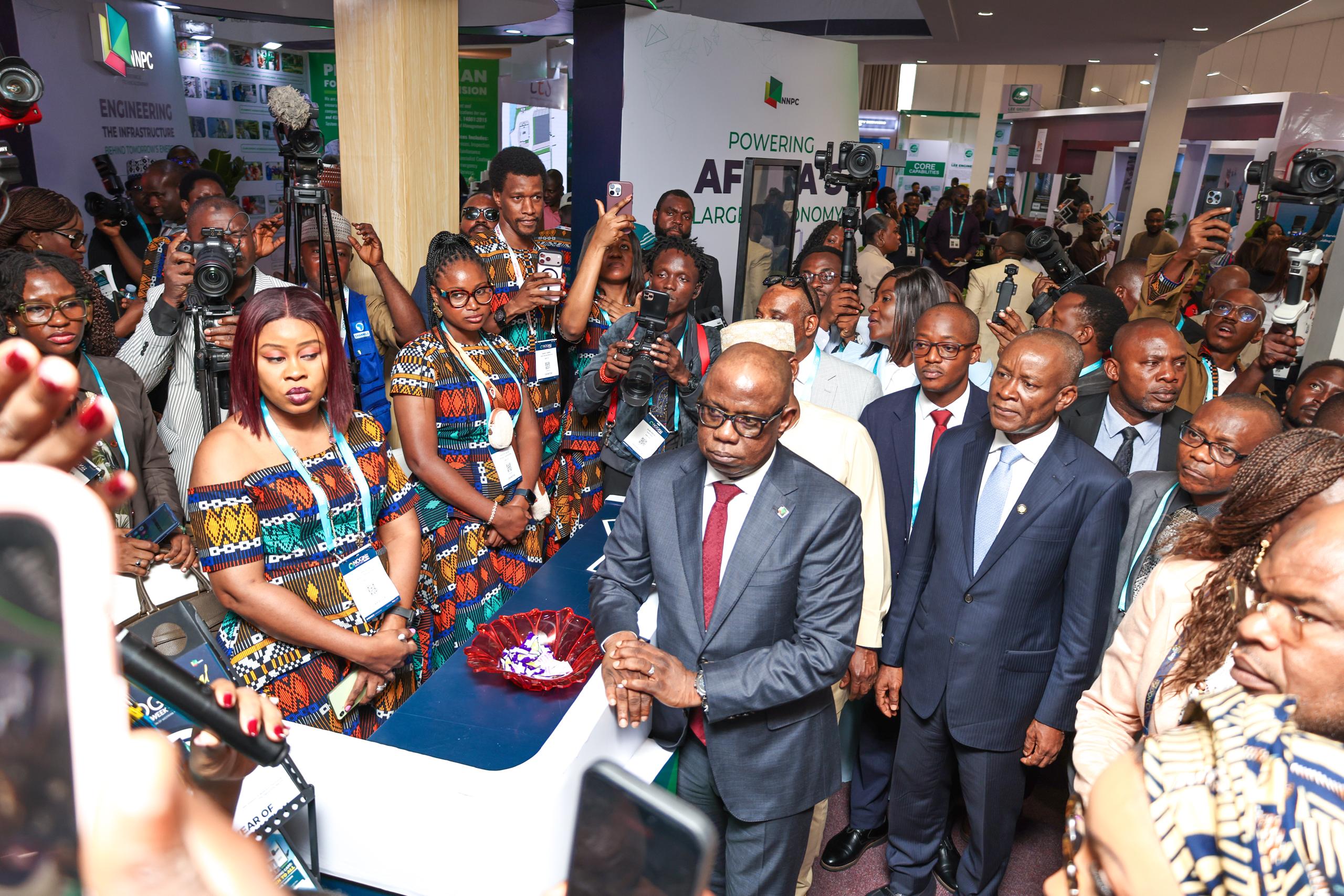
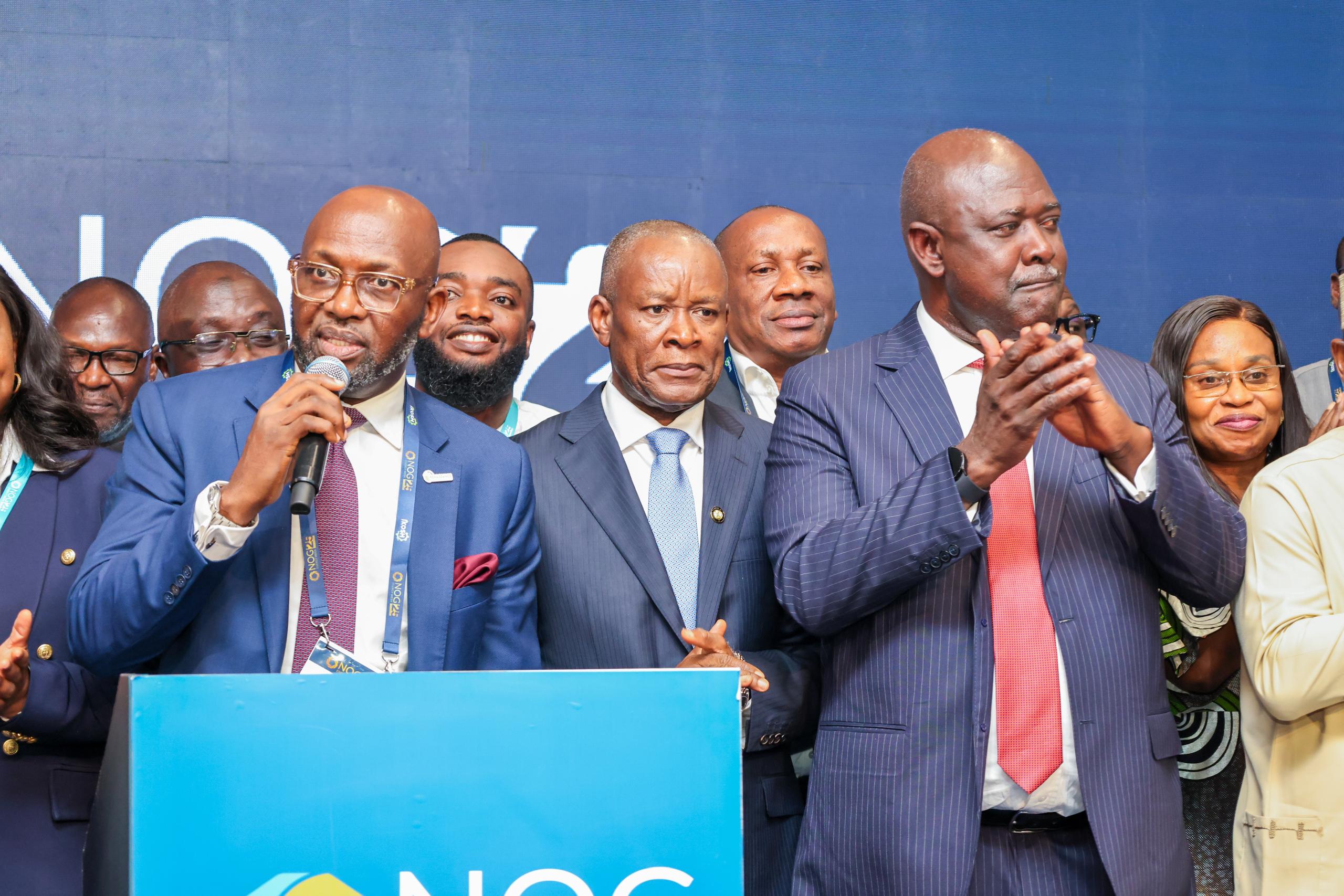
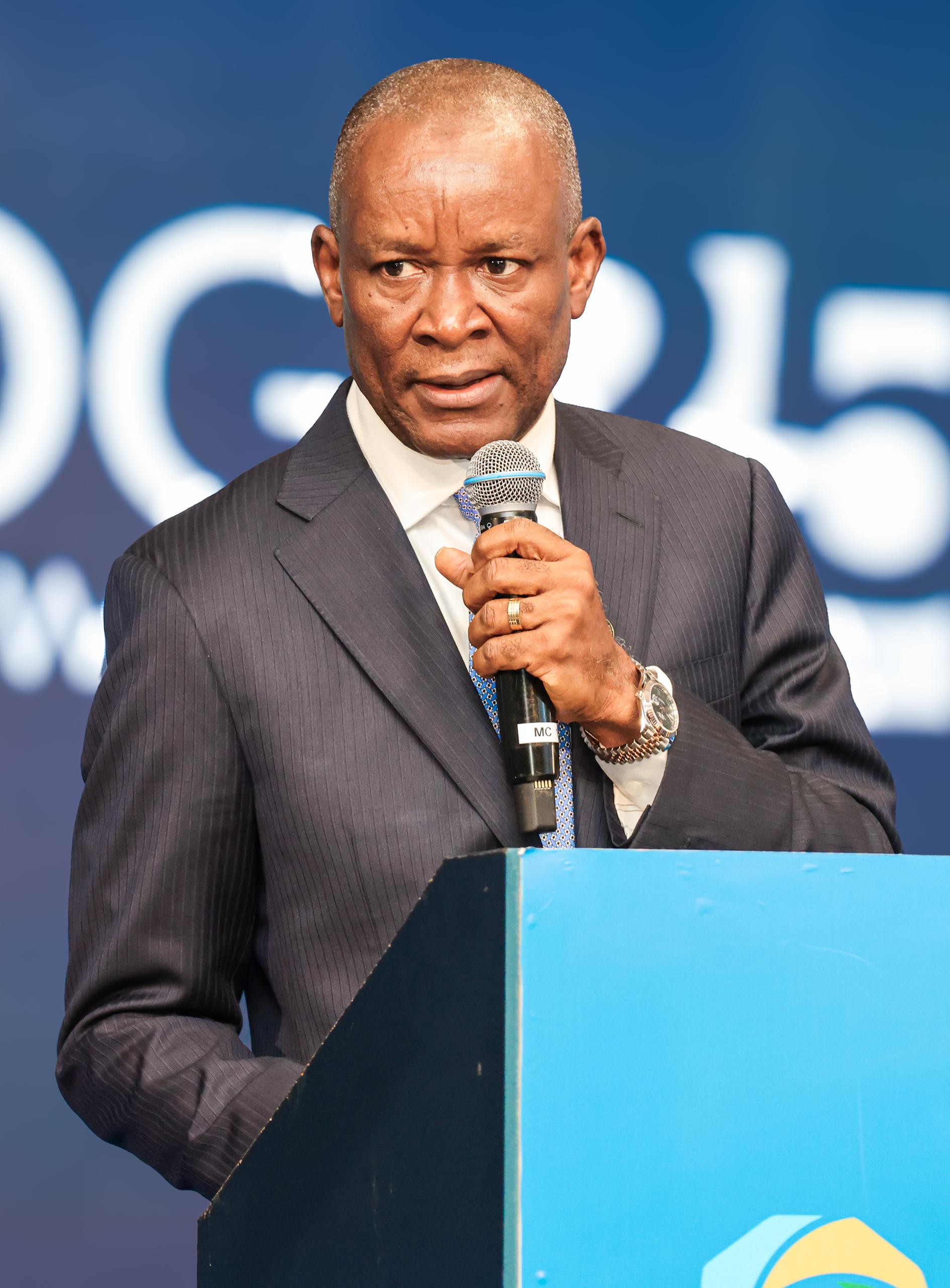
Senator John Owan Enoh Reaffirms Commitment to Industrial Growth at NOG Energy Week 2026

Senator John Owan Enoh Reaffirms Commitment to Industrial Growth at NOG Energy Week 2026

The Honourable Minister of State for Industry, , on Tuesday participated in in Abuja, reaffirming the Federal Government’s commitment to accelerating industrialisation through strategic partnerships, innovation and sustainable investment.
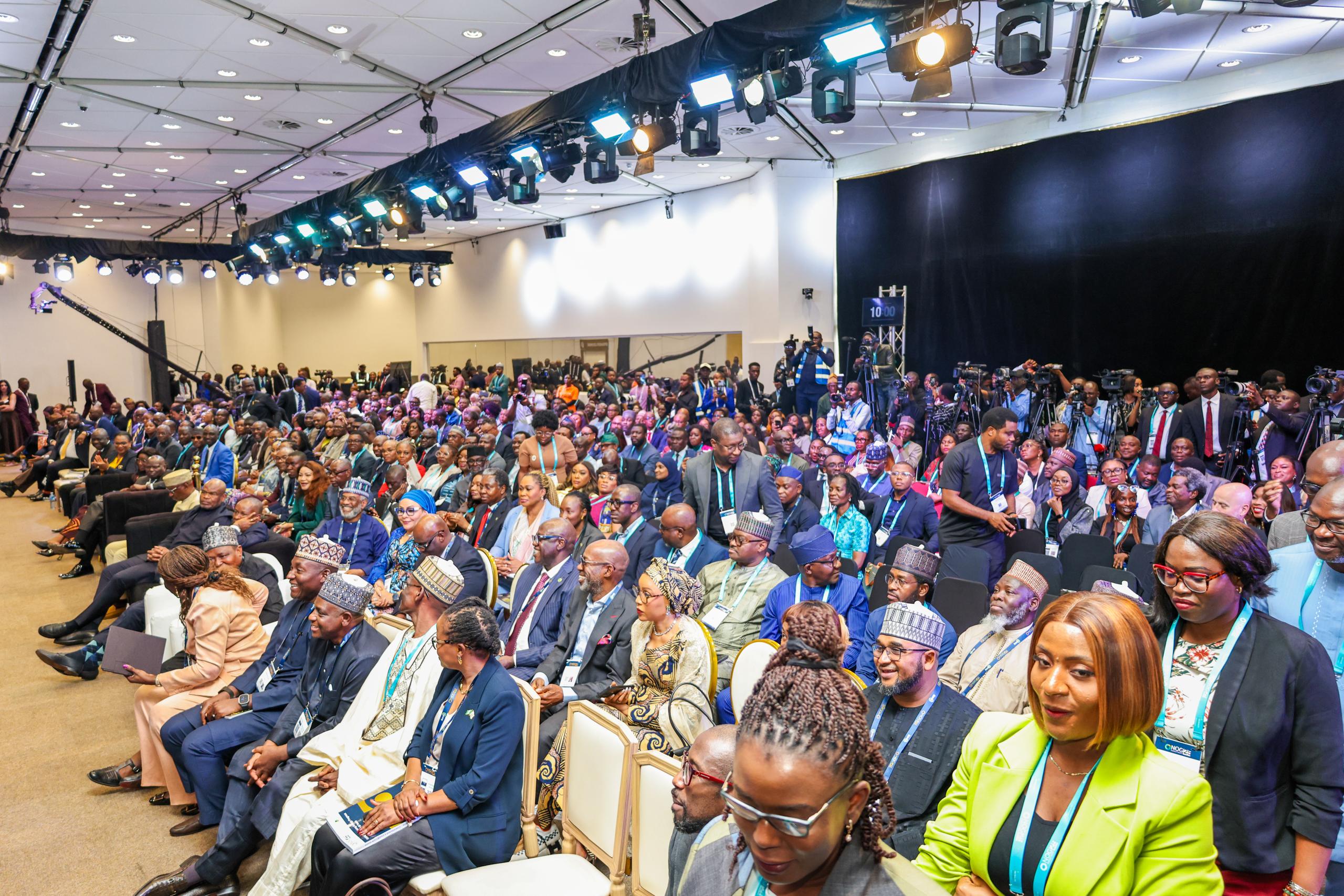
As one of Africa’s premier energy and industrial development conferences, NOG Energy Week 2026 brought together senior government officials, industry leaders, investors, development partners, policymakers, regulators and technology experts to explore practical solutions for strengthening Nigeria’s energy sector while advancing industrial development and economic transformation.


The conference featured high-level discussions on energy transition, infrastructure development, local content, digital innovation, manufacturing competitiveness, policy reforms and investment opportunities aimed at positioning Nigeria for long-term economic resilience and sustainable growth.
Speaking through his participation at the conference, Senator Enoh reiterated that industrial development remains a key pillar of the Renewed Hope Agenda of the administration of President . He noted that building a strong industrial base requires sustained collaboration between government and the private sector, backed by policies that encourage investment, innovation and value addition.

The Minister stated that the Federal Ministry of Industry remains committed to implementing initiatives that strengthen local manufacturing, support indigenous enterprises, expand productive capacity and create quality employment opportunities for Nigerians. He added that the Ministry will continue to pursue reforms that improve the ease of doing business, enhance industrial competitiveness and attract both domestic and foreign investments into critical sectors of the economy.


Senator Enoh further emphasised the importance of leveraging Nigeria’s abundant natural resources to drive industrial value chains, promote local production and reduce dependence on imports. He stressed that strategic investments in technology, infrastructure and skills development will be essential to unlocking the country’s industrial potential and positioning Nigeria as a leading manufacturing hub in Africa.


He also commended the organisers of NOG Energy Week for providing a credible platform that continues to foster dialogue, innovation and collaboration among key stakeholders in the energy and industrial sectors. According to the Minister, such engagements remain critical to shaping policies and partnerships that support sustainable industrialisation and inclusive economic development.


NOG Energy Week 2026 once again demonstrated the value of sustained engagement between government, industry and development partners in addressing emerging challenges and unlocking new opportunities across Nigeria’s energy and industrial landscape. The outcomes of the conference are expected to further strengthen collaborative efforts towards building a more competitive, diversified and prosperous Nigerian economy.

WhatsApp Image 2026-07-08 at 12.06.45

Presdident Bola Ahmed Tinubu Tasks AFREXIM Bank to Mobilize Resources for Africa’s Industrialization

Presdident Bola Ahmed Tinubu Tasks AFREXIM Bank to Mobilize Resources for Africa’s Industrialization

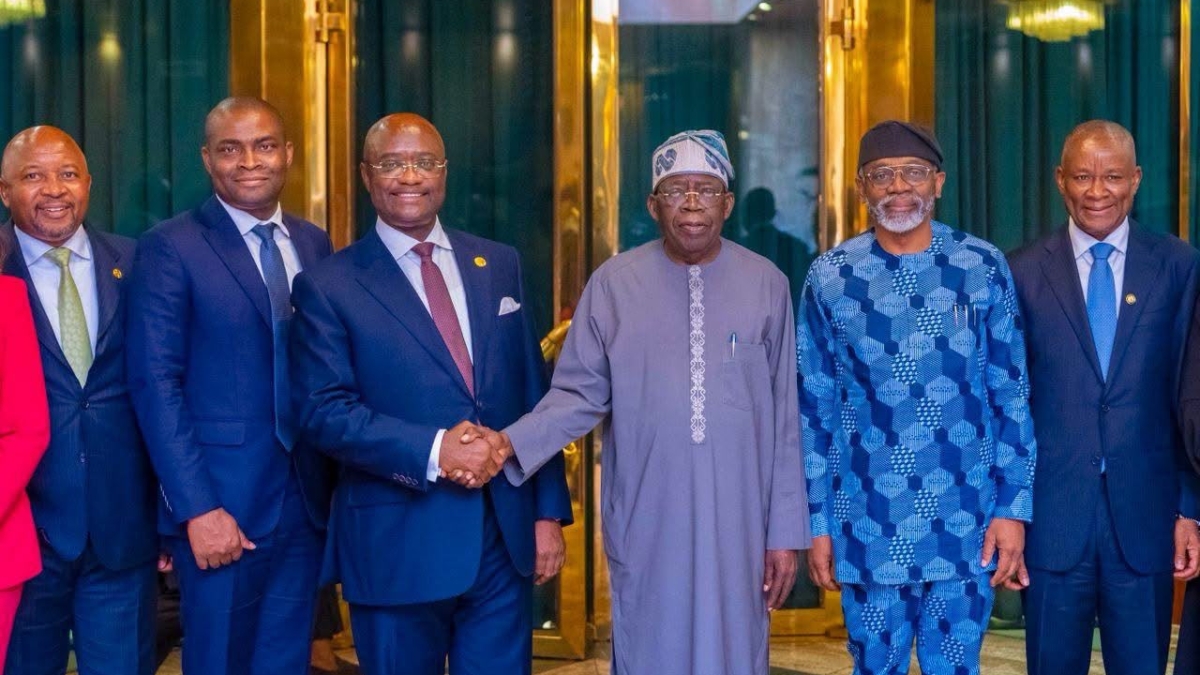
President Bola Ahmed Tinubu on Tuesday tasked the leadership of the African Export-Import Bank (Afreximbank) to intensify efforts to mobilise and deploy the continent’s vast human, financial and natural resources for the collective economic advancement of Africans, stressing that Africa’s drive to industrialisation cannot remain a subject of theoretical discussion.

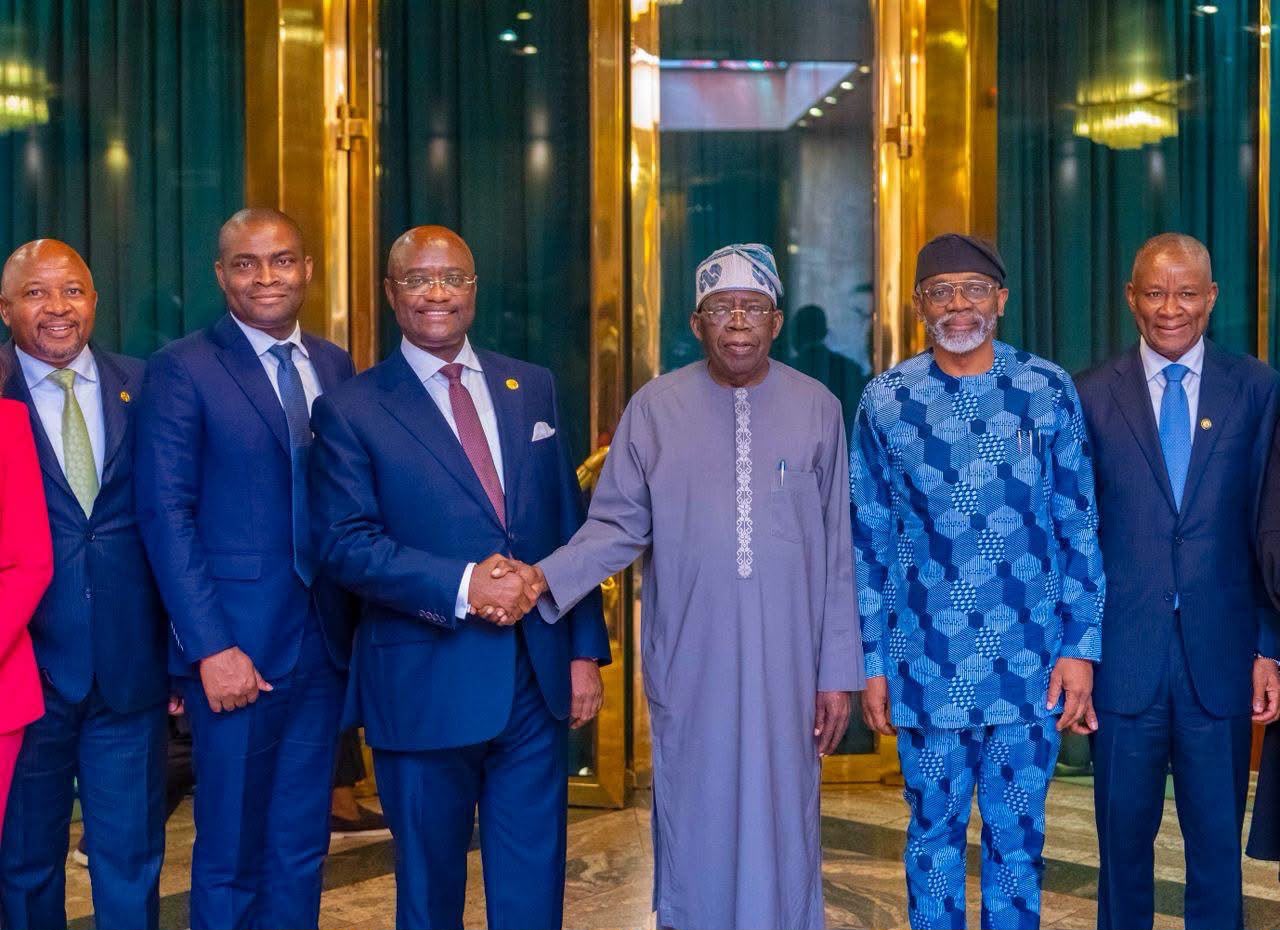
President Tinubu stated this during a visit by a delegation from Afrieximbank, led by its President and Chairman of the Board, Dr George Elombi, to the State House, Abuja.

The President said his administration’s recent economic reforms, such as ending the fuel subsidy and tackling multiple exchange rates, are essential steps to combat corruption and ensure economic survival.

President Tinubu emphasised that Africa possesses enormous potential and must move beyond endless conversations about development to practical actions that drive industrial growth, expand trade, create jobs, add value, and improve the living standards of its people.

According to him, a structured financial backing and reliable infrastructure are essential for building the continent.

“The conscience and the future of Africa depend on what you and your team can do and will do for Africa as a whole, and the time has come for us to start doing things together as Africans.

“We have what it takes to build this continent. Do we continue to exploit and export raw materials without value addition? That answer is no.

“We have solid mineral deposits such as lithium and others that can be used, and you, as the financial partner, should be able to come with investment guarantees for the production and value addition in batteries and other manufacturing ecosystems,” the President said.

Speaking on the farmer-herder clashes, the President told the visitors that his administration has turned the longstanding conflict between farmers and herders into an economic opportunity for citizens through the introduction of the Federal Ministry of Livestock Development.

“ I created the Livestock Ministry to create economic opportunities for Africans. The cotton, ginnery and garment industries are job creators. If we partner well and incorporate these ideas and do less talking and really put our heads into developmental programmes, we can turn it around,” the President said.

In his remarks, the Minister of State for Industry, Sen. John Owan Enoh, explained the President’s bold economic diversification policies, describing the administration’s Eight-Point Renewed Hope Agenda as a transformative blueprint that is repositioning Nigeria for sustainable economic growth, industrial expansion, and shared prosperity.

Enoh said President Tinubu’s commitment to industrialisation, particularly through the development of the solid minerals sector, oil and gas, manufacturing, agriculture, the digital economy, and value-added exports, is laying the foundation for a resilient economy less dependent on crude oil revenues.

The President and Chairman of Afreximbank, Dr Elombi, said he and his team were at the State House to thank the President for his support, which led to his election as the President of the Bank, as well as to brief him on the bank’s portfolios and activities in Nigeria.

According to him, the Bank has investments across trade, agricultural processing, value chain and healthcare.

He specifically informed President Tinubu of the bank’s efforts to reverse health tourism on the continent, highlighting that the Bank had invested between 15 and 20 billion dollars in the Nigerian economy over the last five years.

He invited the President to visit the African Medical Centre of Excellence (AMCE) located in Abuja.

Elombi also told the President that Afreximbank has committed US$2 billion to support Nigeria’s cotton and garment industry.

He also briefed the President on the Bank’s investment in the Lagos-Calabar Coastal Highway and the Kano-Maradi Railway line.

WhatsApp Image 2026-06-24 at 17.52.09 (1)

NBC’s Asejire Plant Expansion Reflects Growing Investor Confidence in Nigeria, Says Senator Enoh

NBC's Asejire Plant Expansion Reflects Growing Investor Confidence in Nigeria, Says Senator Enoh

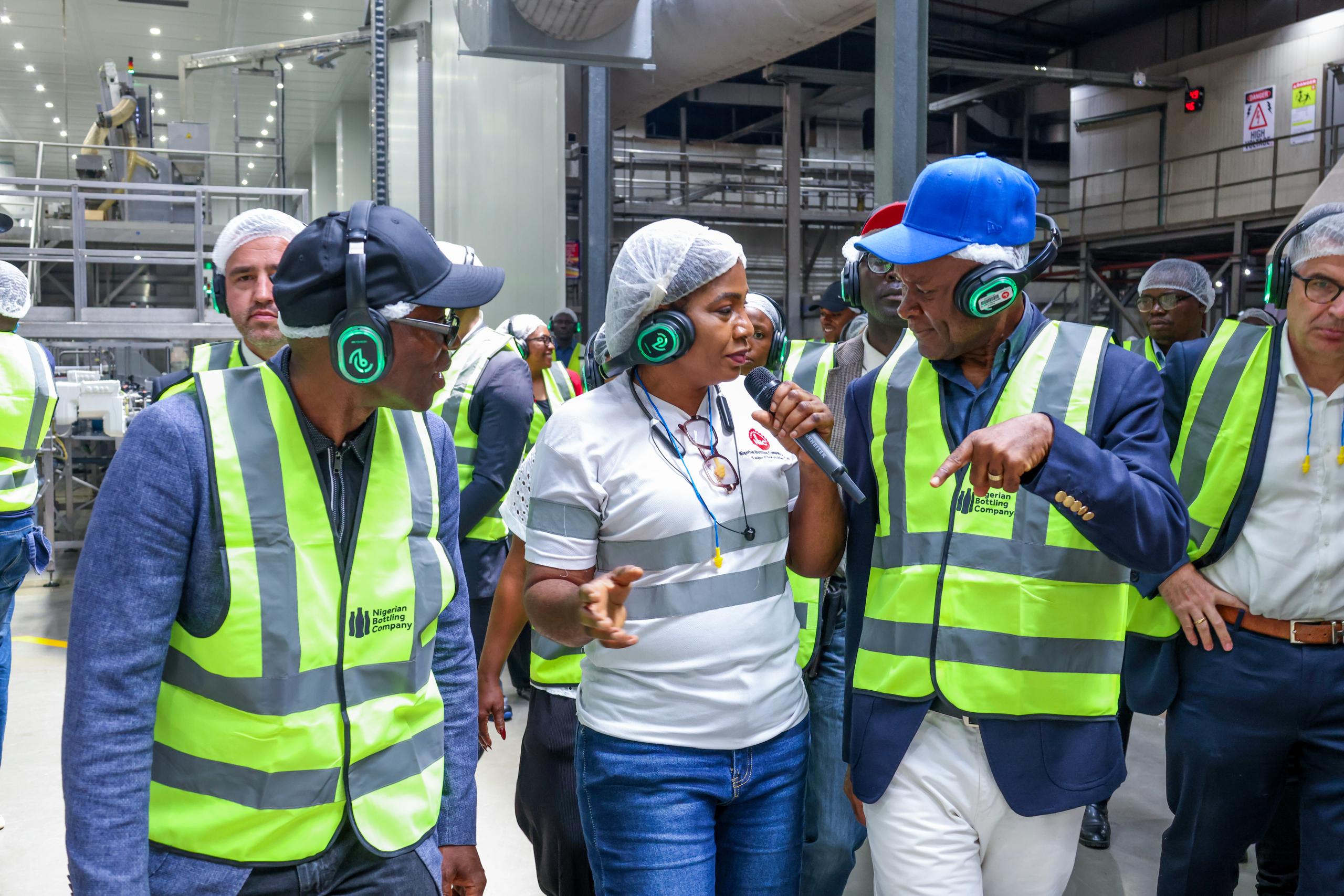
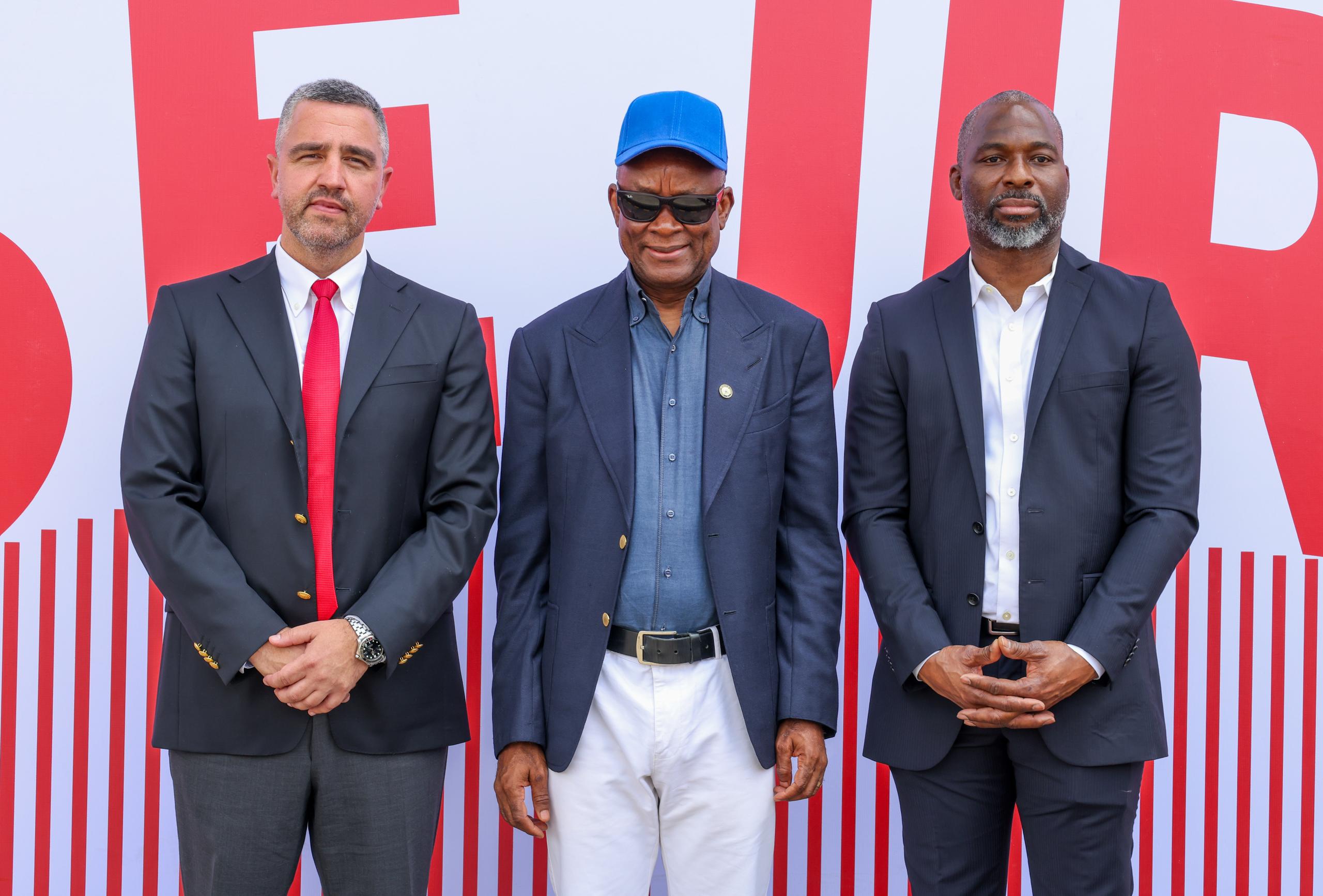
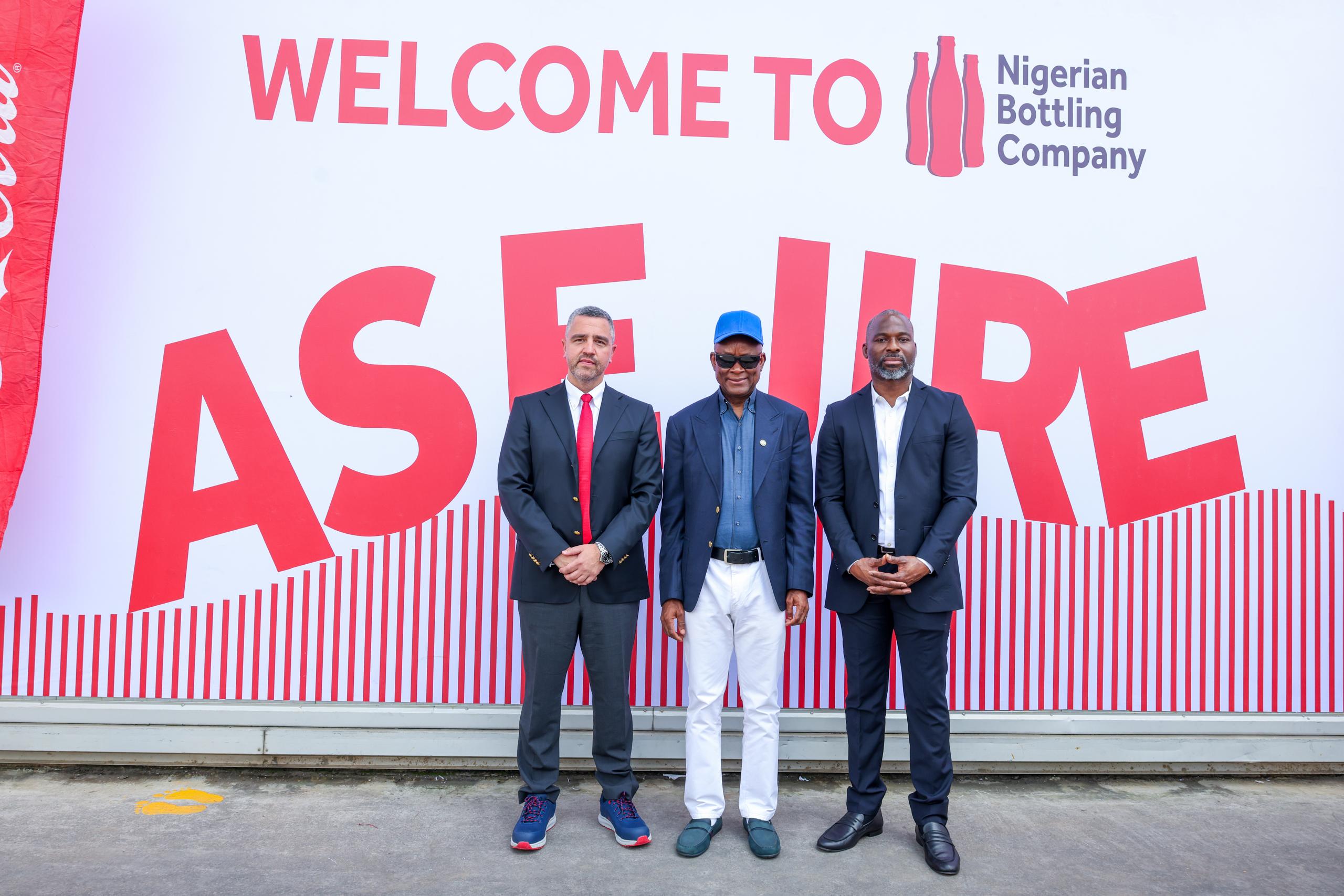
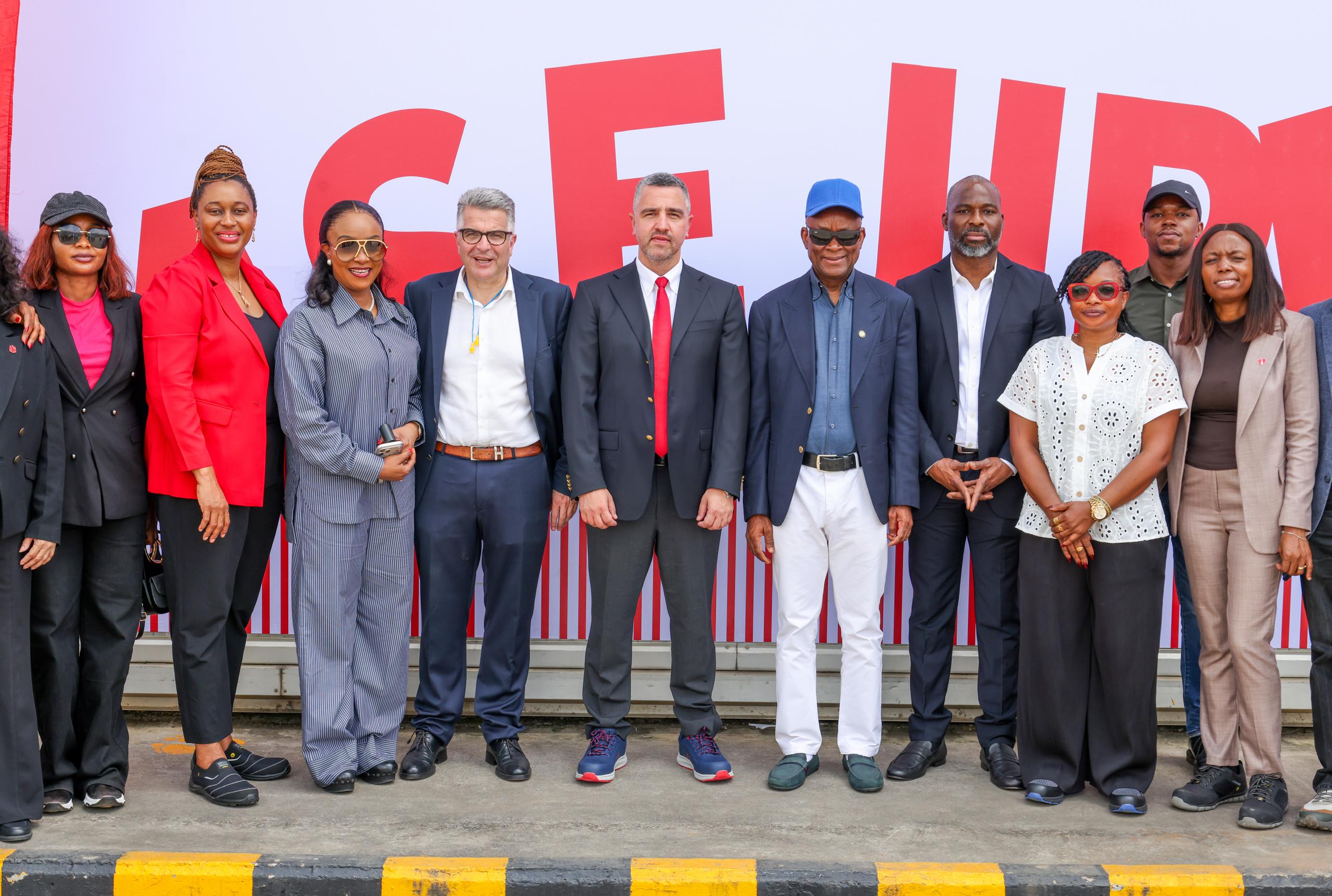
The Honourable Minister of State for Industry, Senator John Owan Enoh, has described the Nigerian Bottling Company’s continued investments in Nigeria as a strong vote of confidence in the country’s economic future and industrial development agenda.

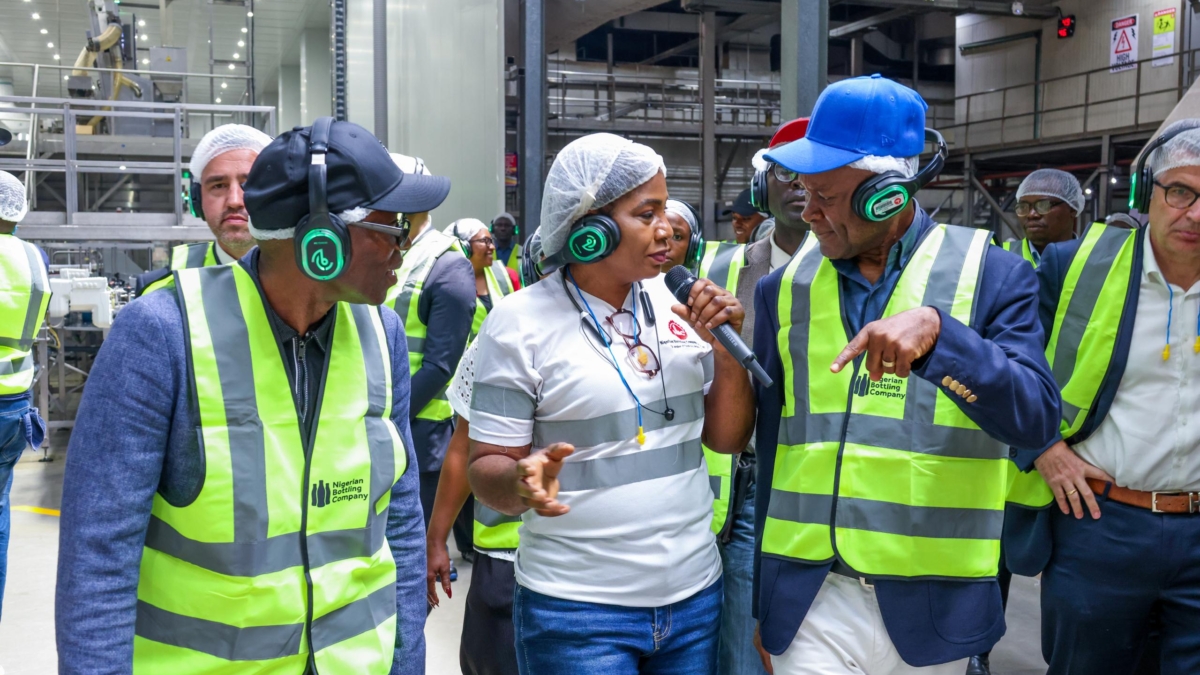
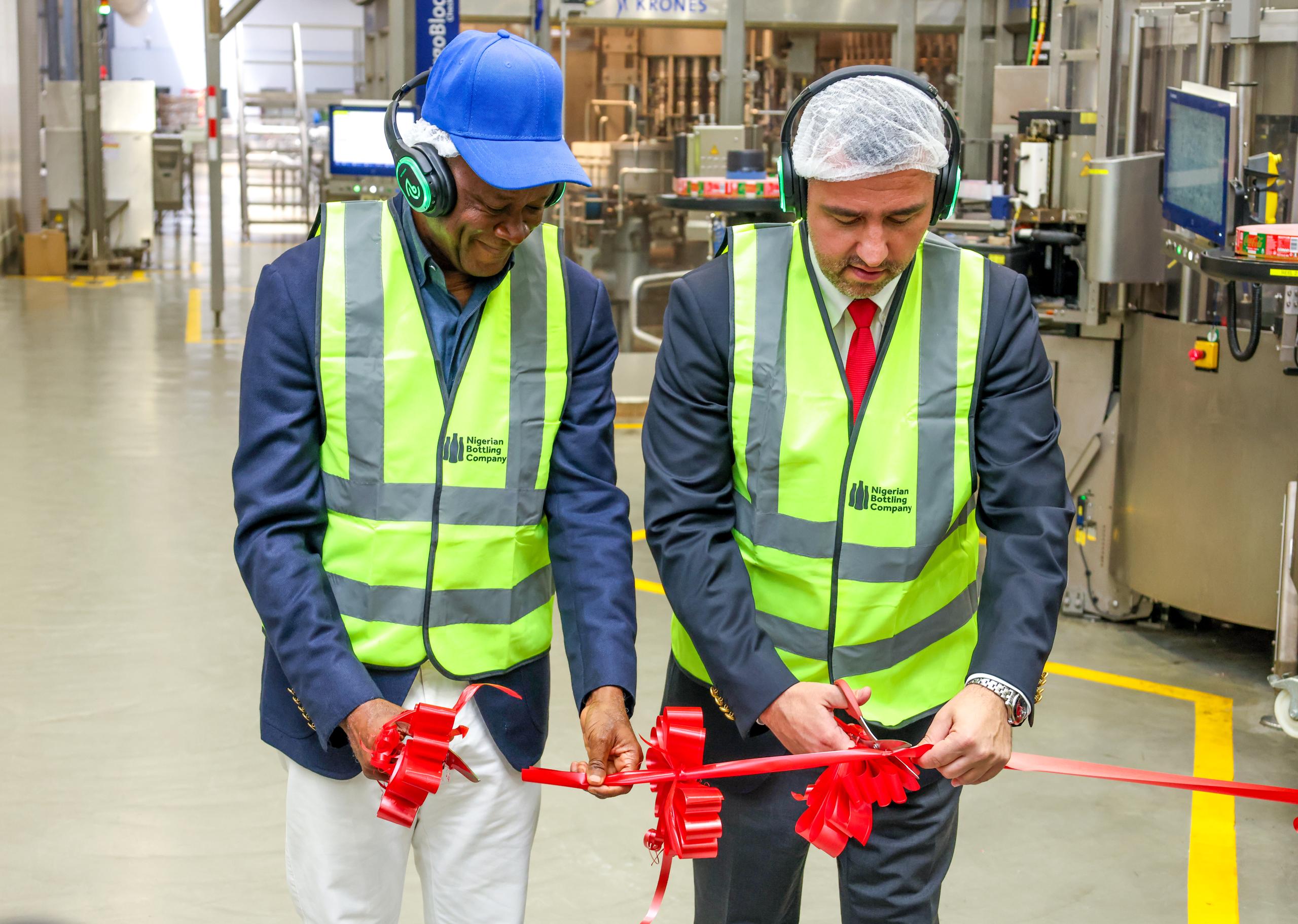
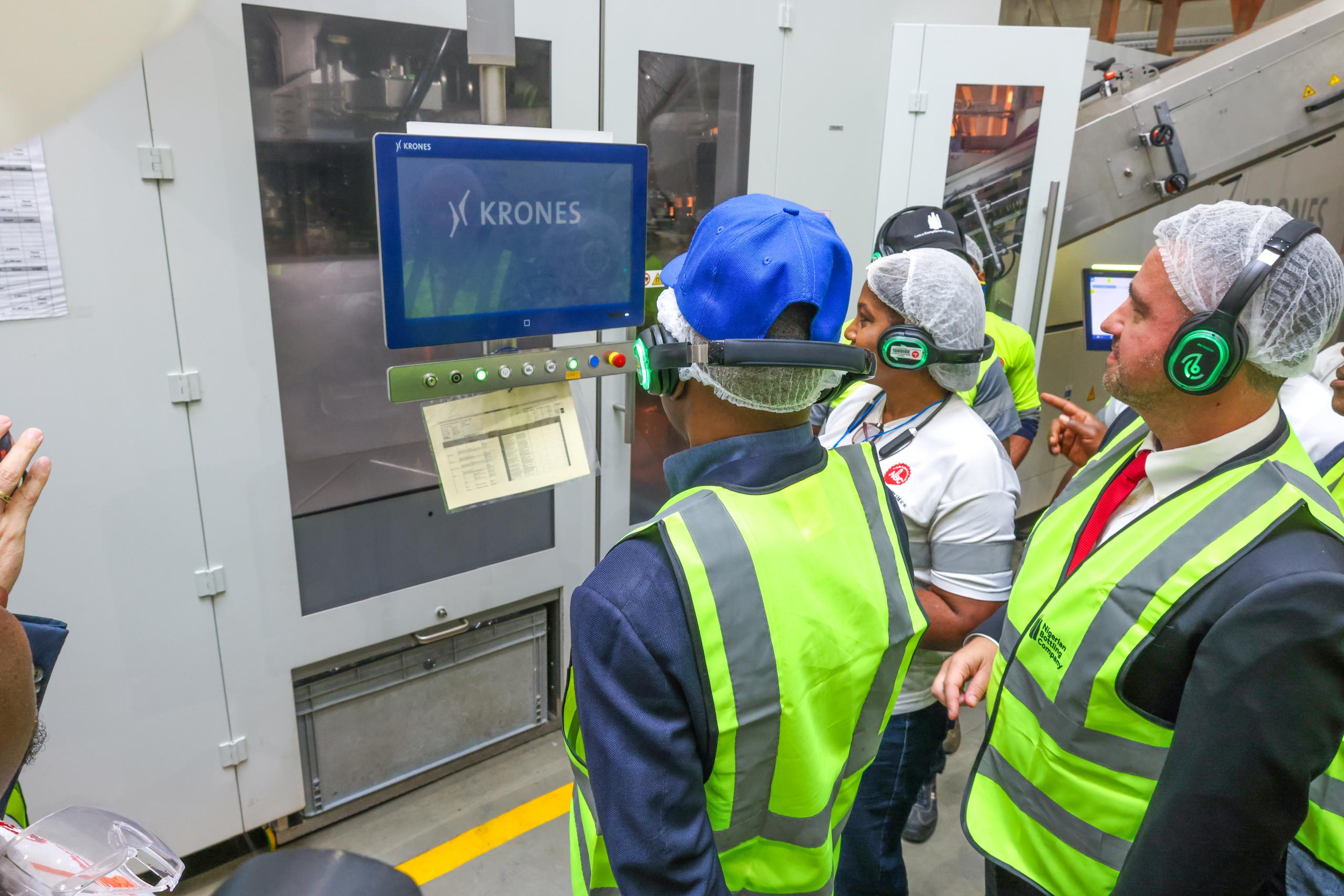
Speaking at the commissioning of the Nigerian Bottling Company’s Asejire Plant in Oyo State and the celebration of the Coca-Cola System’s 75th anniversary in Nigeria on the 24th of June, 2024, the Minister said the company’s long-standing commitment to the country demonstrates the critical role of private sector investment in driving economic growth, job creation, and industrial expansion.

Senator Enoh noted that the event was not merely the commissioning of a facility, but a celebration of a partnership that has endured for over seven decades. He commended the Nigerian Bottling Company and the wider Coca-Cola System for maintaining and expanding their operations in Nigeria despite changing economic realities.

According to the Minister, the recent expansion of production capacity at both the Asejire Plant in Oyo State and the Challawa Plant in Kano State reflects the confidence of investors in Nigeria’s industrial future.

Highlighting the company’s economic contributions, Senator Enoh disclosed that the Coca-Cola System contributes over one billion dollars in value to Nigeria’s economy and supports more than 160,000 livelihoods across its value chain. He further noted that for every direct job created within the Coca-Cola System, an additional 53 jobs are supported across various sectors of the economy, including agriculture, transportation, retail, and logistics.

The Minister also applauded the company’s commitment to local sourcing, revealing that more than $601 million has been spent on Nigerian suppliers, materials, and labour. He described these investments as evidence that the company is deeply integrated into Nigeria’s economic ecosystem and national development efforts.

Senator Enoh stated that the investments align with the objectives of the Nigeria Industrial Policy 2025, which seeks to promote local value addition, strengthen manufacturing capacity, increase competitiveness, and attract sustainable investments under the Renewed Hope Agenda of President Bola Ahmed Tinubu’s administration.

Addressing concerns raised by industry stakeholders regarding policy stability and regulatory certainty, the Minister reaffirmed the Federal Government’s commitment to maintaining a predictable business environment that encourages long-term investment and industrial growth.

As part of efforts to deepen collaboration between government and industry, Senator Enoh announced that the Federal Ministry of Industry, Trade and Investment will convene a dedicated Industry Policy Dialogue in September 2026. The engagement will bring together government officials, the Nigerian Bottling Company, and other major industry players to discuss critical issues affecting the sector.

The dialogue will focus on four key areas: improving industry competitiveness and growth, ensuring sustainable revenue generation for government, promoting consumer health and wellbeing, and creating a level playing field for responsible businesses.

He emphasised that future policy reforms would be driven through consultation and partnership with stakeholders, assuring investors that government remains committed to transparent engagement and evidence-based decision-making.

Congratulating the Nigerian Bottling Company and the Coca-Cola System on their 75-year milestone, the Minister expressed appreciation for their contribution to Nigeria’s economy, the livelihoods they support, and the communities they continue to impact across the country.

He reaffirmed the Federal Government’s commitment to building stronger partnerships with investors and creating an enabling environment that supports industrialisation, shared prosperity, and sustainable economic development.