WhatsApp Image 2026-06-11 at 18.08.37 (1)

FG Commissions NADDC Automotive Training Centre in Gusau, Reinforces Commitment to Industrial Growth and Youth Empowerment
FG Commissions NADDC Automotive Training Centre in Gusau, Reinforces Commitment to Industrial Growth and Youth Empowerment

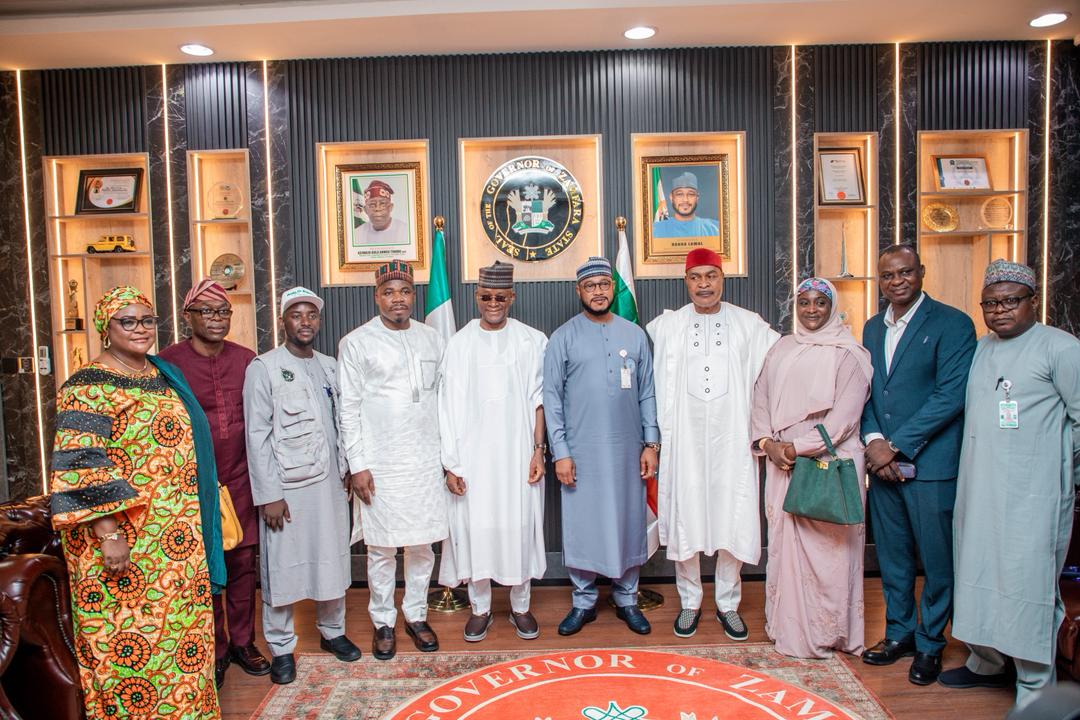
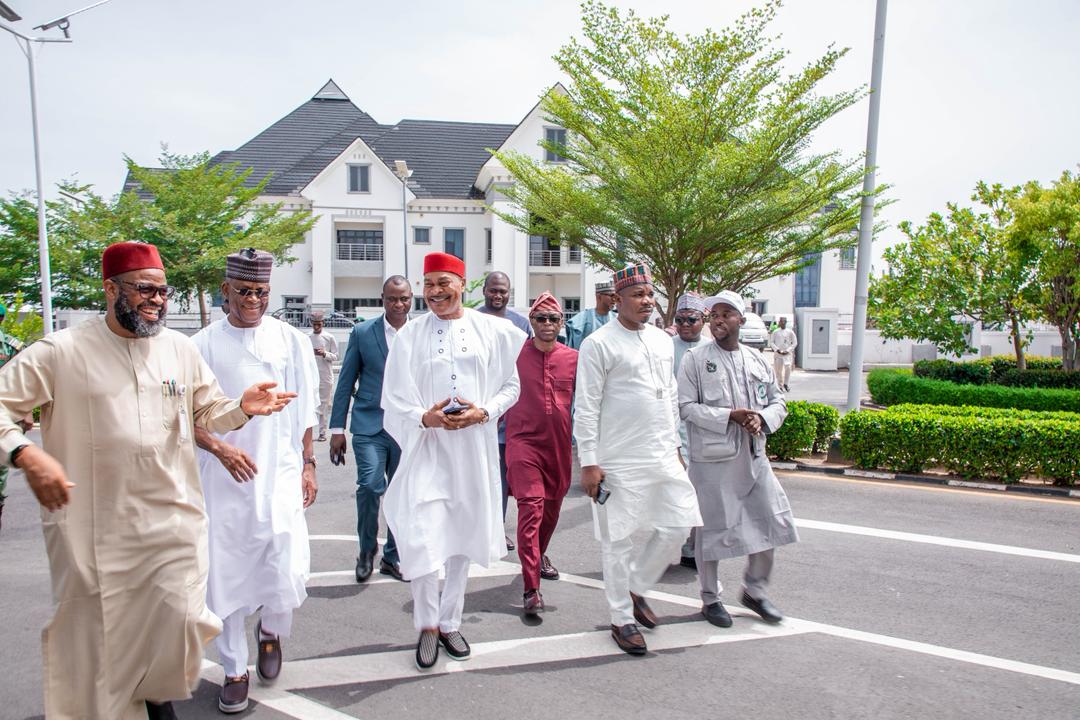
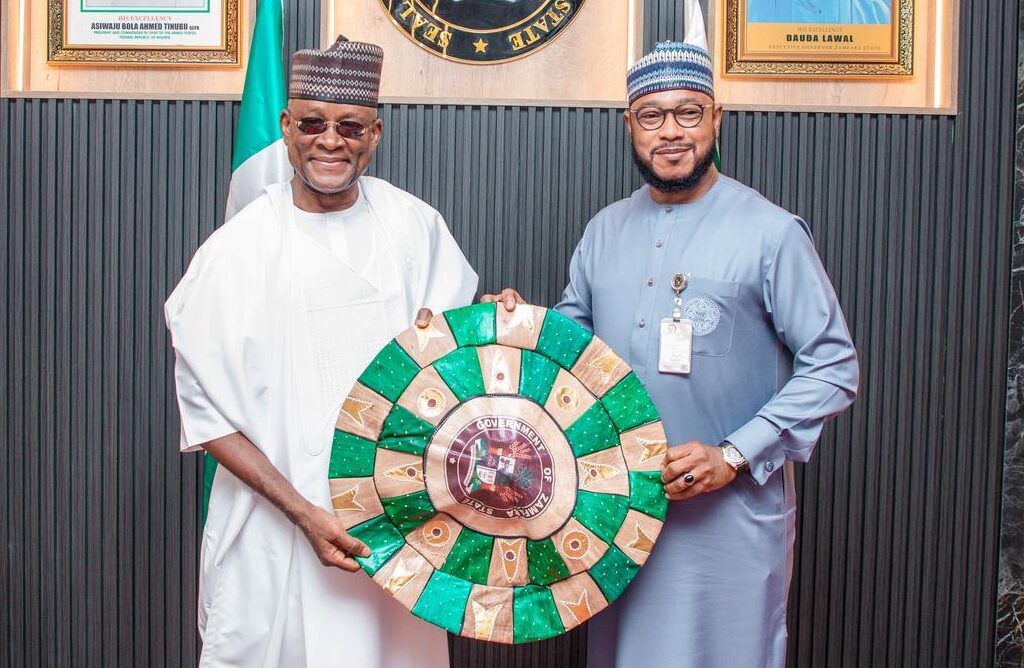
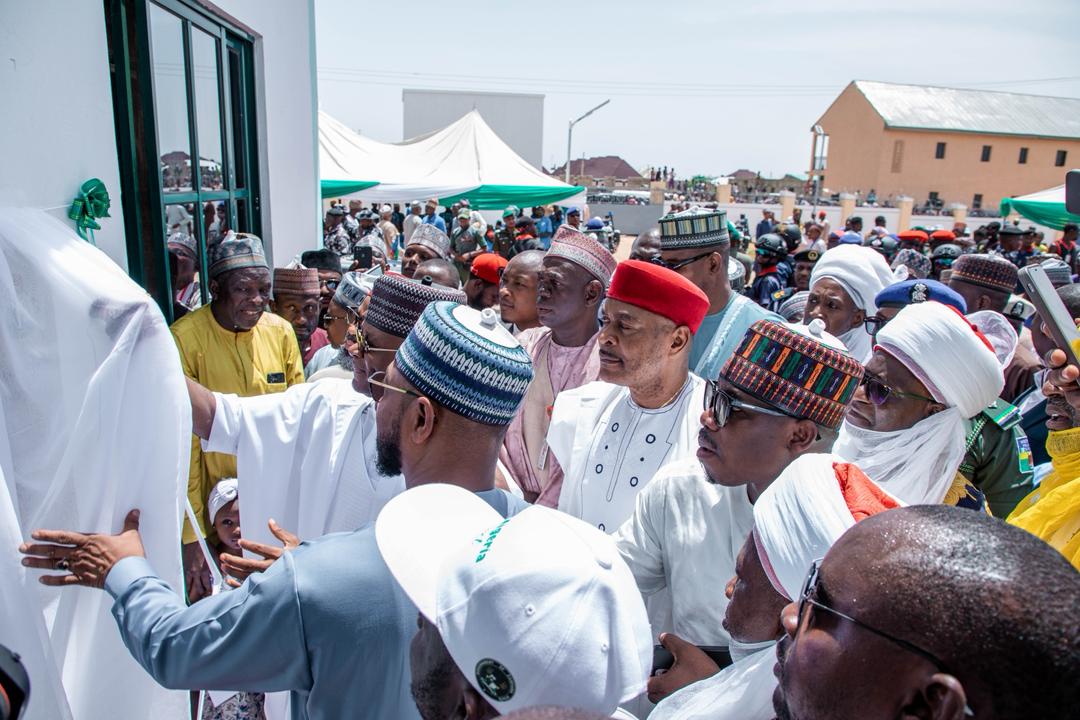
The Honourable Minister of State for Industry, Federal Ministry of Industry, Trade and Investment, Senator John Owan Enoh, has reaffirmed the Federal Government’s commitment to industrial development, human capital advancement and economic transformation with the commissioning of the National Automotive Design and Development Council (NADDC) Automotive Training Centre in Gusau, Zamfara State.

Speaking at the commissioning ceremony on Thursday, 11 June 2026, Senator Enoh described the facility as more than a physical structure, stating that it represents a gateway to opportunities, innovation, skills acquisition, entrepreneurship and sustainable economic growth for Zamfara State and the wider North-West region.

The Minister commended the Executive Governor of Zamfara State, the state government, traditional institutions and the people of the state for their support and commitment to development initiatives, noting that the partnership between the Federal Government and Zamfara State is critical to advancing youth empowerment and industrial development.

Highlighting Zamfara’s strategic importance, Senator Enoh observed that the state occupies a vital position within Nigeria’s socio-economic landscape, with significant potential to emerge as a major hub for technical skills development and automotive services owing to its youthful population and entrepreneurial spirit.
He emphasized that the automotive industry remains one of the world’s leading drivers of industrialization, supporting growth in manufacturing, engineering, electronics, logistics, transportation, information technology and renewable energy.

According to him, the Federal Ministry of Industry, Trade and Investment continues to place technical and vocational education at the centre of Nigeria’s industrial development agenda.

The Minister explained that through the Nigerian Automotive Industry Development Plan (NAIDP), the Federal Government is pursuing increased local vehicle production, deeper local content participation, technology transfer, alternative fuel technologies and sustainable job creation. He stressed that achieving these objectives depends on building a highly skilled workforce capable of adapting to modern automotive technologies, including advanced diagnostics, mechatronics, electric vehicles, compressed natural gas (CNG) systems and digital mobility solutions.

Senator Enoh disclosed that the Federal Government has intensified engagements with international investors and leading automotive manufacturers to establish industrial hubs and expand local production capacity across the country. He added that efforts are also underway to revitalize automotive component industries such as tyre manufacturing, battery production, vehicle assembly and alternative energy technologies.
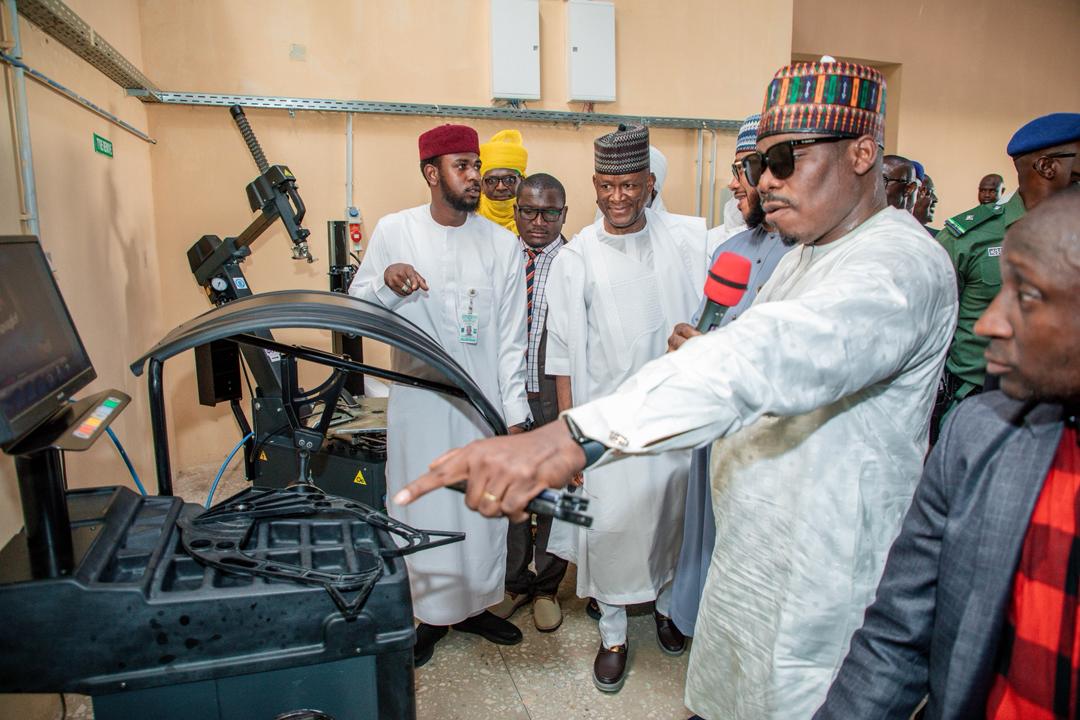
He noted that the establishment of Automotive Training Centres across the country by NADDC is designed to ensure equitable access to technical education while promoting inclusive national development. These centres, he said, are intended to serve as engines of economic empowerment, social inclusion and technological advancement.

For Zamfara State, the Minister stated that the newly commissioned centre represents a strategic intervention aimed at unlocking the potential of the state’s youth by equipping them with practical, industry-relevant skills that will reduce unemployment, stimulate entrepreneurship and contribute to long-term peace and prosperity.

He added that the facility will also serve neighbouring states within the North-West region, strengthening Zamfara’s role as a centre for automotive skills development and innovation.
Reaffirming the Federal Government’s commitment to expanding automotive infrastructure and supporting local manufacturing, Senator Enoh said the administration remains focused on creating an enabling environment for private sector investment while building a globally competitive automotive industry capable of contributing significantly to Nigeria’s Gross Domestic Product and generating employment opportunities for millions of citizens.

The Minister also praised the Director-General and Chief Executive Officer of the National Automotive Design and Development Council, Otunba Oluwemimo Joseph Osanipin, for his leadership and dedication to transforming Nigeria’s automotive sector through impactful programmes and projects. He further acknowledged the contributions of development partners, technical experts, community leaders, traditional rulers, educational institutions and private sector stakeholders whose collaboration made the project possible.
Concluding his remarks, Senator Enoh reaffirmed the commitment of the Federal Government under the leadership of President Bola Ahmed Tinubu, GCFR, to industrialization, youth empowerment, local content development, technology transfer and sustainable economic growth under the Renewed Hope Agenda.

He expressed confidence that the Automotive Training Centre would serve as a lasting beacon of hope, innovation and opportunity for the people of Zamfara State, the North-West region and Nigeria as a whole.
 

WhatsApp Image 2026-05-14 at 21.48.08 (2)

Nigeria’s Cotton, Textile and Garment Transformation Programme Gains Momentum

Nigeria’s Cotton, Textile and Garment Transformation Programme Gains Momentum

Federal Government Advances Industrial Revival Through Structured Cotton, Textile and Garment Value Chain Reform.

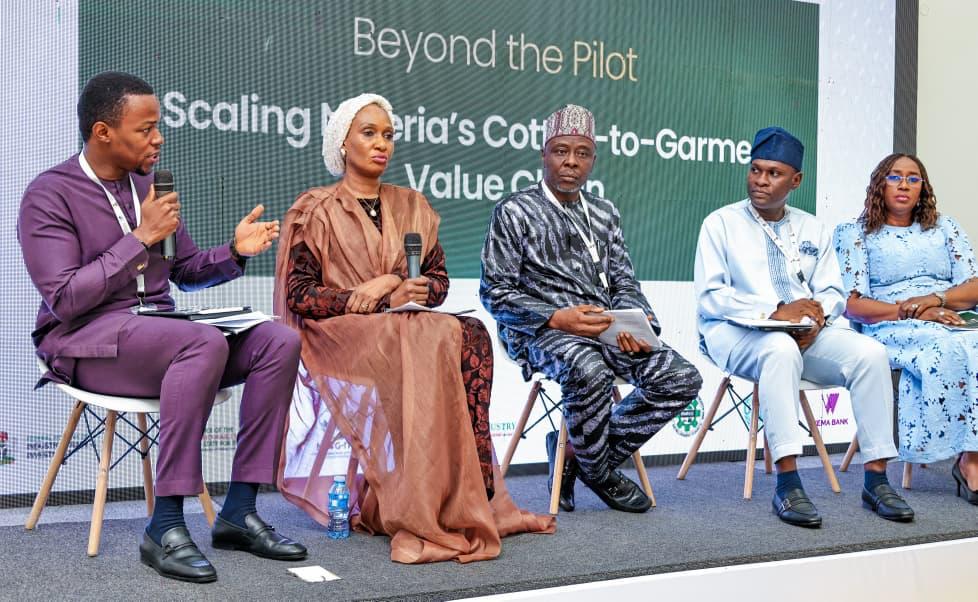
The Federal Ministry of Industry, Trade and Investment led by the Honourable Minister of State for Industry, Senator John Owan Enoh has reaffirmed its commitment to rebuilding Nigeria’s Cotton, Textile and Garment (CTG) sector through a coordinated industrial transformation programme designed to strengthen domestic production, improve value chain integration, and increase competitiveness.

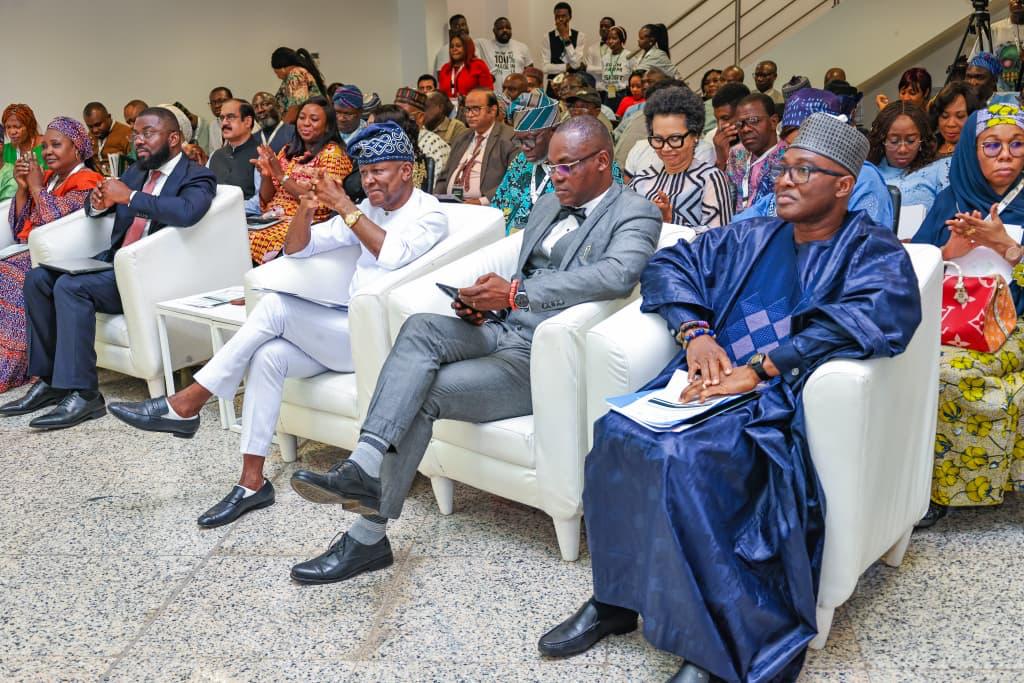
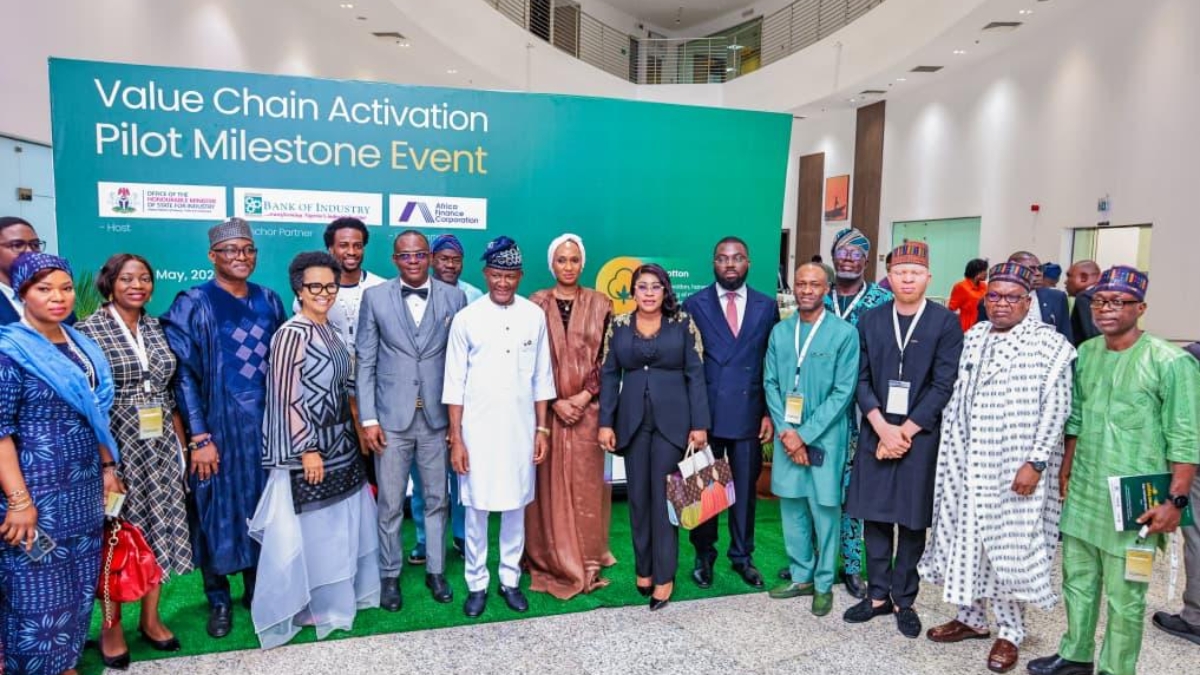
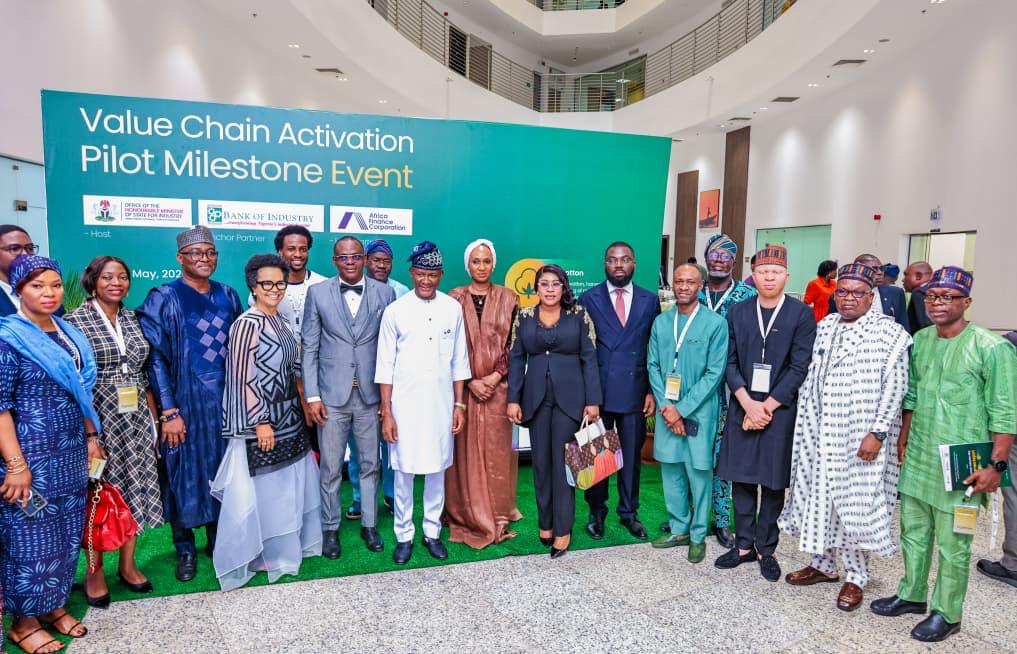
Speaking during the closeout of Phase I of the programme, stakeholders highlighted the importance of building a functional production architecture capable of supporting large-scale cotton cultivation, textile manufacturing, and garment production within Nigeria.

The initiative forms part of the Federal Government’s broader industrialisation agenda aimed at repositioning the CTG sector as a driver of employment, manufacturing growth, and economic diversification.

Moving Beyond Policy Proposals

According to the Minister, the programme was designed not merely as a policy concept, but as a practical pilot implemented under real market conditions taking into account stakeholders perspectives and sector tour challenges.

The pilot tested whether Nigerian manufacturers, farmers, financiers, and garment producers could operate as an integrated system capable of delivering quality products competitively and on schedule.

The exercise demonstrated that high-quality long-staple cotton can be produced locally throughout the year and that Nigerian garment manufacturers can meet production specifications when supported by structured coordination across the value chain.

Stakeholders noted that previous interventions within the textile industry often focused on isolated support mechanisms without addressing the wider operational linkages required for a functional industrial chain.

The pilot programme identified several critical realities shaping the future of the sector.

Key Findings From the Phase I Pilot

Structured Demand Strengthens Production

One of the central findings was that visible and structured downstream demand can stabilise the entire production ecosystem. Manufacturers are better able to plan investments and production schedules when order volumes and delivery timelines are clear. This clarity also influences upstream activities, including cotton farming decisions, mill operations, and financing arrangements.

Nigerian Farmers Can Deliver Competitive Input Quality

The programme also showed that Nigerian cotton farmers can improve input quality when provided with the right incentives, technical support, and reliable market signals.This finding challenges long-standing assumptions that raw material limitations make local textile production difficult to scale.

Execution Gaps Are Now Better Understood

The pilot exposed operational weaknesses affecting the sector, particularly in logistics, financing coordination, and institutional alignment. Officials explained that identifying these gaps at transaction level provides valuable insight for future reforms and implementation strategies.

Addressing Nigeria’s Textile Sector Decline

Nigeria’s textile industry has experienced significant decline over several decades despite multiple interventions. Active textile mills have reportedly reduced from nearly 180 to fewer than 20, while capacity utilisation remains low.

At the same time, Nigeria continues to import billions of dollars worth of textile products annually despite possessing cotton farmers, garment factories, and a large domestic apparel market.

Stakeholders at the event stressed that the decline was not caused by a lack of local production ability, but by the absence of an integrated industrial system capable of connecting farmers, manufacturers, financiers, logistics providers, and markets.

Economic Opportunities and Employment Potential

The programme also highlighted the economic opportunities associated with a revived CTG sector.

Nigeria currently produces less than thirty percent of domestic textile demand, creating significant room for local manufacturing expansion.With a growing youth population and increasing regional trade opportunities under the African Continental Free Trade Area (AfCFTA), officials believe the sector could generate substantial employment opportunities across cotton farming, textile processing, garment manufacturing, transportation, logistics, retail, and exports.

Phases II and III Already Underway

Following the completion of Phase I, government officials confirmed that Phases II and III of the programme are already in progress.

Immediate priorities include:

  • Launching a revised policy framework for the CTG sector
  • Operationalising the National CTG Development Council
  • Improving industry visibility through a national dataset
  • Expanding participation across the pilot programme
  • Increasing production volumes across the value chain
  • Officials stated that the programme is focused on building long-term industrial capacity through coordinated policy alignment, financing support, infrastructure development, logistics improvement, and institutional strengthening.


Strategic Partnerships Driving the Programme

The transformation programme continues to receive support from both public and private sector institutions.

Partners acknowledged during the event included the Bank of Industry, Africa Finance Corporation, United Nations Industrial Development Organization (UNIDO), Raw Materials Research and Development Council, and Wema Bank.

Stakeholders emphasised that collaboration between government institutions, development finance organisations, manufacturers, and private investors will remain critical to sustaining the programme’s long-term objectives.

Building a Sustainable Industrial System

Organisers concluded that the garments and production outputs presented during the pilot may currently be modest in scale, but they represent the foundation of a broader industrial system designed for sustainability and growth.

The Federal Government maintains that rebuilding Nigeria’s cotton, textile, and garment sector will require disciplined execution, institutional coordination, and consistent long-term commitment across all segments of the value chain.

As implementation advances into subsequent phases, stakeholders expressed confidence that the programme can help restore industrial activity within the sector while strengthening Nigeria’s manufacturing base and improving economic opportunities nationwide.

TET

Women’s Month: Senator John Owan Enoh Visits GATIMO Garment Factory, Commends Nigerian Manufacturing Excellence

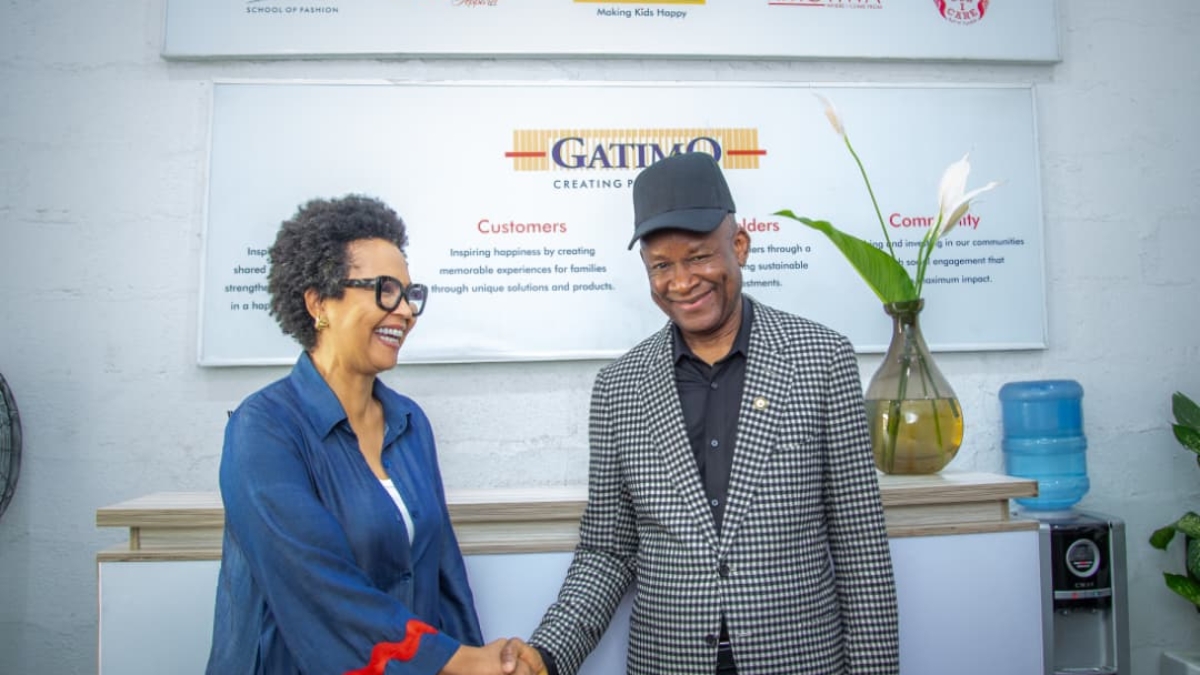
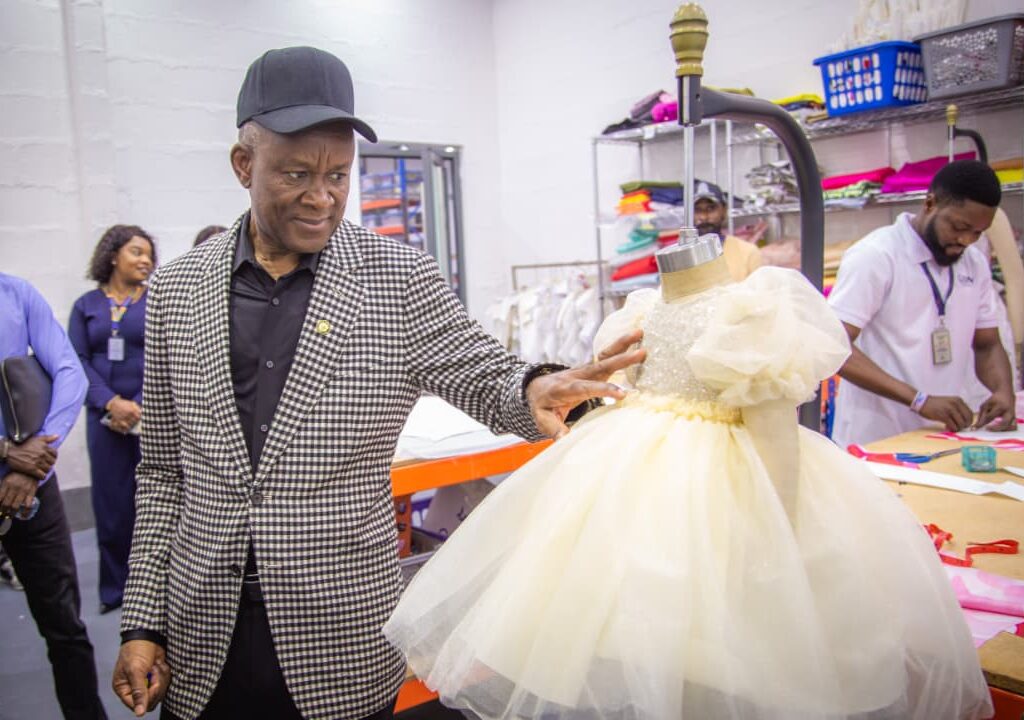
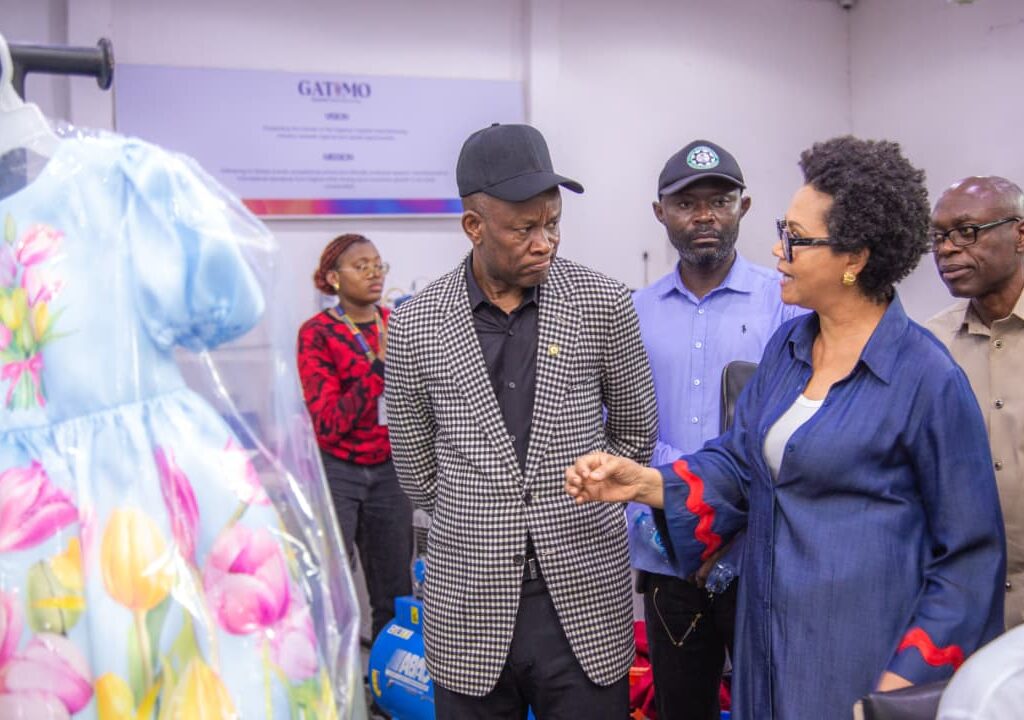
As part of activities marking Women’s Month, the Honourable Minister of State for Industry, Senator John Owan Enoh, paid a visit to the GATIMO garment production facility, the parent company of the renowned Nigerian children’s clothing brand Ruff ‘n’ Tumble.

The company was founded and is led by Mrs Nike Ogunlesi, whose work in building a strong local manufacturing brand has become a reference point for disciplined production and long term enterprise development in Nigeria.

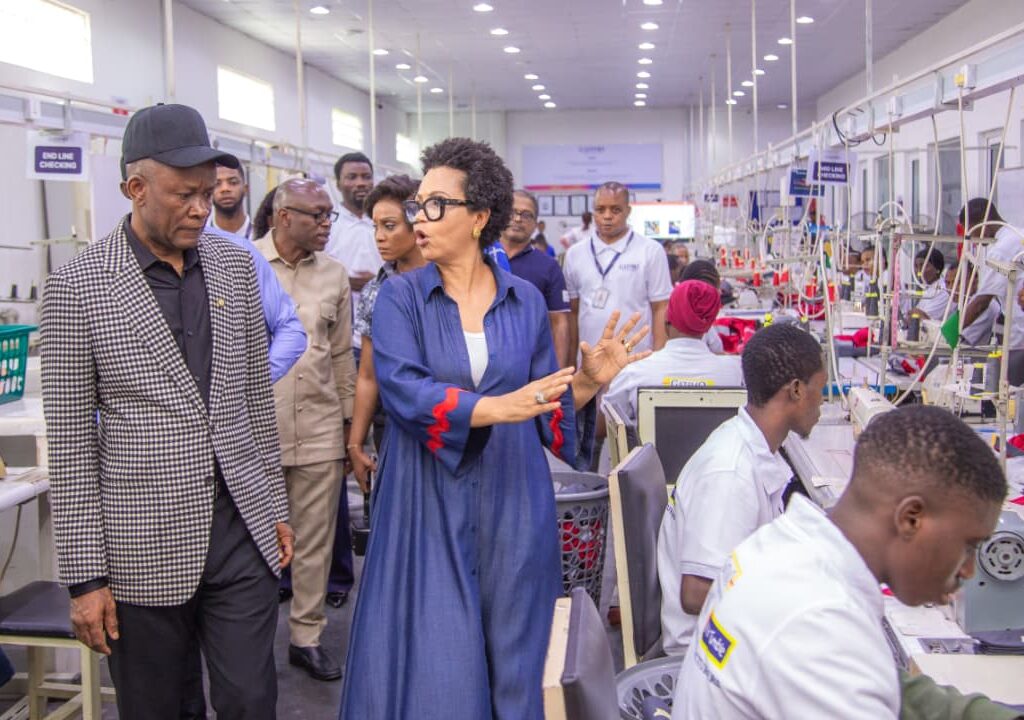
During the visit, the Minister toured the production floor and interacted with staff, observing first hand the systems and processes that have sustained the brand for more than two decades. What he encountered, he noted, was far more than a successful fashion label. It was a functioning example of structured Nigerian manufacturing.

According to the Minister, GATIMO represents the core elements required for industrial growth. These include value addition within the country, workforce training, quality control systems, and the steady development of a trusted brand rooted in local production.
Reflecting on the visit, Senator Enoh noted that leadership must remain connected to the factory floor, where policies translate into real jobs, skills, and economic value.
“In what has been a personally reflective period for me, I was intentional about spending time where real production is taking place. The factory floor is where policy meets people. It is where the true impact of industrial policy can be measured,” he stated.
He also commended Mrs. Ogunlesi for her role in building an enterprise that has created employment, transferred technical skills, and maintained high production standards within Nigeria’s manufacturing space.

The Minister emphasized that women entrepreneurs like Mrs. Ogunlesi are already making significant contributions to the industrial economy.
“Women like Mrs. Ogunlesi are not waiting for empowerment. They are already building businesses, employing Nigerians, and demonstrating that local manufacturing can compete on quality, branding, and sustainability,” he said.
Senator Enoh further explained that enterprises such as GATIMO and Ruff ‘n’ Tumble represent the type of industrial model Nigeria must scale as the country deepens its manufacturing capacity and strengthens its competitiveness under the African Continental Free Trade Area.
He added that the Federal Government remains committed to creating an enabling environment through clear policy direction, access to financing, and institutional coordination that supports the growth of local industries.

The visit also reinforced the Minister’s guiding principle of “Give to Gain,” which he described as an economic approach that encourages deliberate government support for productive enterprises.
“When government provides policy clarity, structured financing pathways, and institutional alignment, the country gains stronger factories, better jobs, deeper value chains, and greater export readiness,” he noted.

The Minister concluded that Nigeria’s industrial future is already taking shape through enterprises that remain committed to local production and quality standards.

His visit to GATIMO, he said, serves as a reminder that Nigerian industry is capable of building premium, competitive, and enduring brands, with women playing a central role in that transformation.

WhatsApp Image 2026-02-04 at 20.17.14

Federal Government of Nigeria Signs MoU with Asian Economic Development Committee to Advance Electric Vehicle Manufacturing

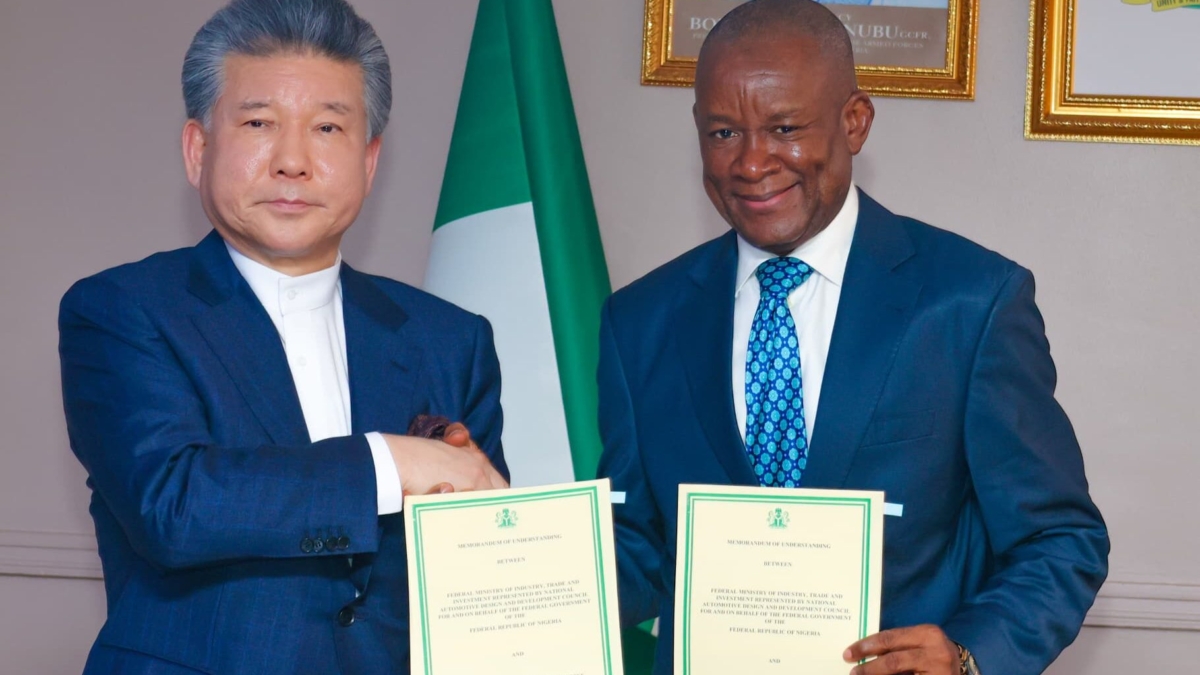
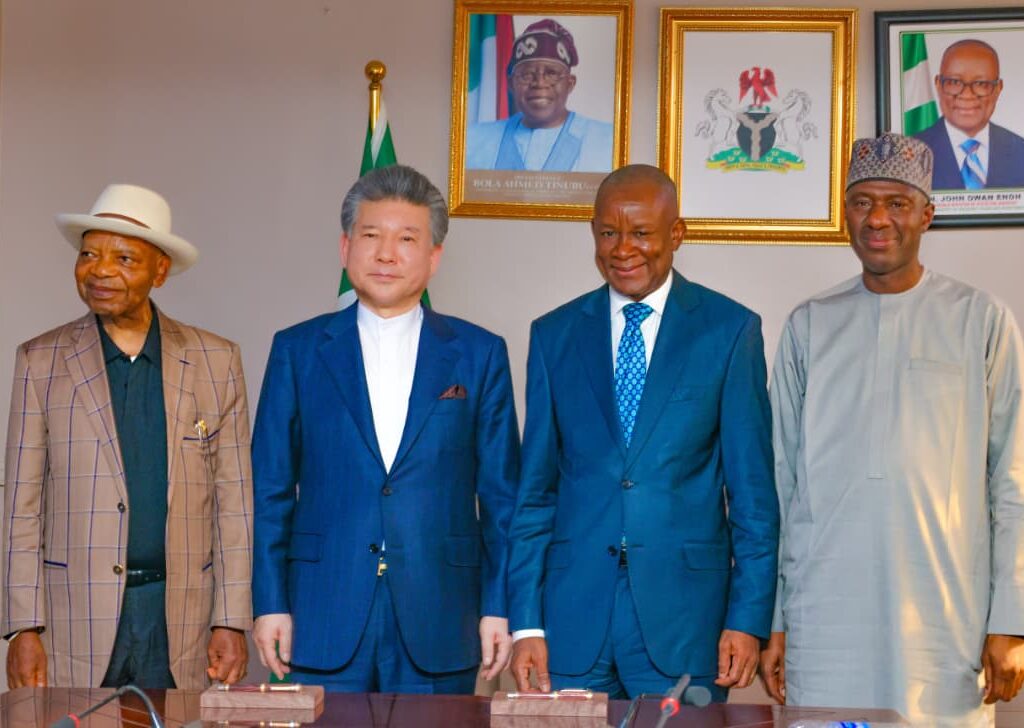
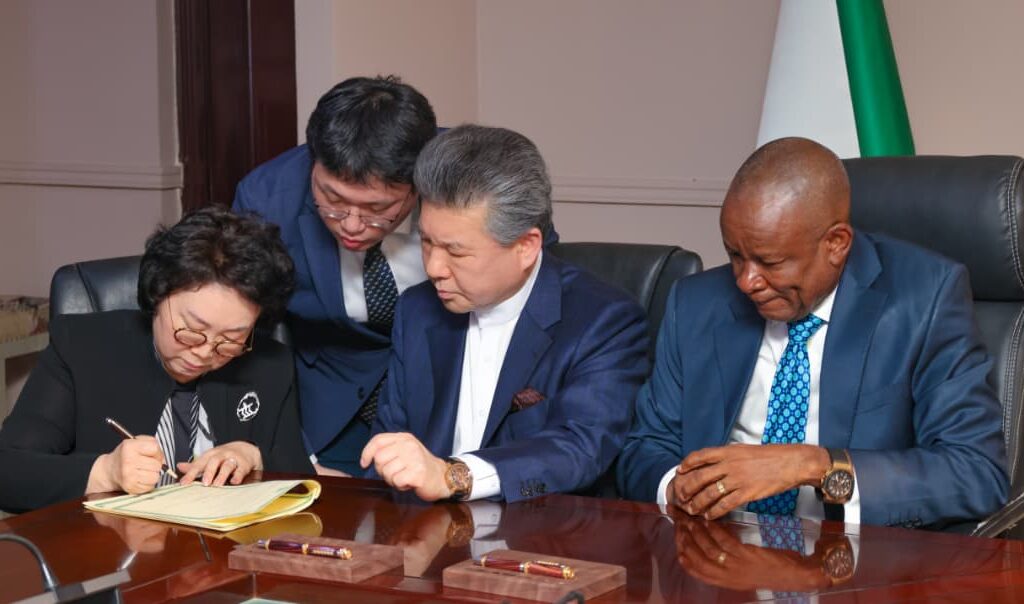
The Federal Government of Nigeria, through the Ministry of Industry, Trade and Investment, has taken a decisive step toward industrial transformation with the formal signing of a Memorandum of Understanding with the Asian Economic Development Committee.

The agreement, which signals Nigeria’s transition from industrial policy articulation to practical execution under the newly approved National Industrial Policy, underscore the government’s resolve to strengthen domestic manufacturing, reduce import dependence, and position Nigeria as a competitive industrial hub in Africa.

The partnership is anchored on four priority areas: the establishment of electric vehicle manufacturing facilities in Nigeria, the rollout of a nationwide EV charging infrastructure, structured technology transfer, and the systematic training and capacity development of Nigerian professionals. Implementation will follow a phased approach, beginning with vehicle assembly and advancing steadily toward full in-country production.

The Honourable Minister of State for Industry, Senator John Owan Enoh, stated that the agreement reflects Nigeria’s broader industrial strategy focused on value addition, job creation, and technology localization. He emphasized that technology transfer, skills development, and Nigerian participation across the EV value chain are central to the success of the initiative while signing the MoU.

The Minister further noted that the electric vehicle sector presents a unique opportunity to combine manufacturing, energy, technology, and sustainability, while reinforcing Nigeria’s Nigeria-First industrial policy. He stressed that disciplined implementation, clear timelines, and institutional coordination would be critical to translating the MoU into factories, jobs, vehicles, and lasting economic impact.

Speaking at the signing ceremony, the Permanent Secretary of the Ministry of Industry, Trade and Investment, Ambassador Nura Rimi, described the MoU as part of ongoing efforts to revive moribund industries and ensure that existing industrial capacity operates optimally, in line with the Renewed Hope Agenda of President Bola Ahmed Tinubu.

Chairman of the Asian Economic Development Committee, Mr. Yun Soo Ho, described the agreement as a historic milestone, expressing confidence in Nigeria’s ability to produce its own national electric vehicle brand and emerge as a leading EV manufacturing country on the African continent. He emphasized that the decision to transfer EV technology was driven by strong political support from the Nigerian government and the clear commitment demonstrated by the Ministry and the National Automotive Design and Development Council.
On behalf of the National Automotive Design and Development Council, representative of the Council reaffirmed their mandate to drive sustainable automotive industry development, enhance local content, and integrate Nigeria into global automotive value chains. He noted that the MoU is not merely a statement of intent but a practical bridge between Nigeria’s market potential and Asia’s manufacturing and technological expertise.

The signing of this MoU marks a defining moment in Nigeria’s industrial journey, laying the foundation for sustainable manufacturing, technological advancement, and the country’s emergence as a leading electric vehicle hub in Africa.

WhatsApp Image 2025-11-20 at 12.17.2W1

Owan Enoh Joins Key Stakeholders at National MSME Conference in Lagos

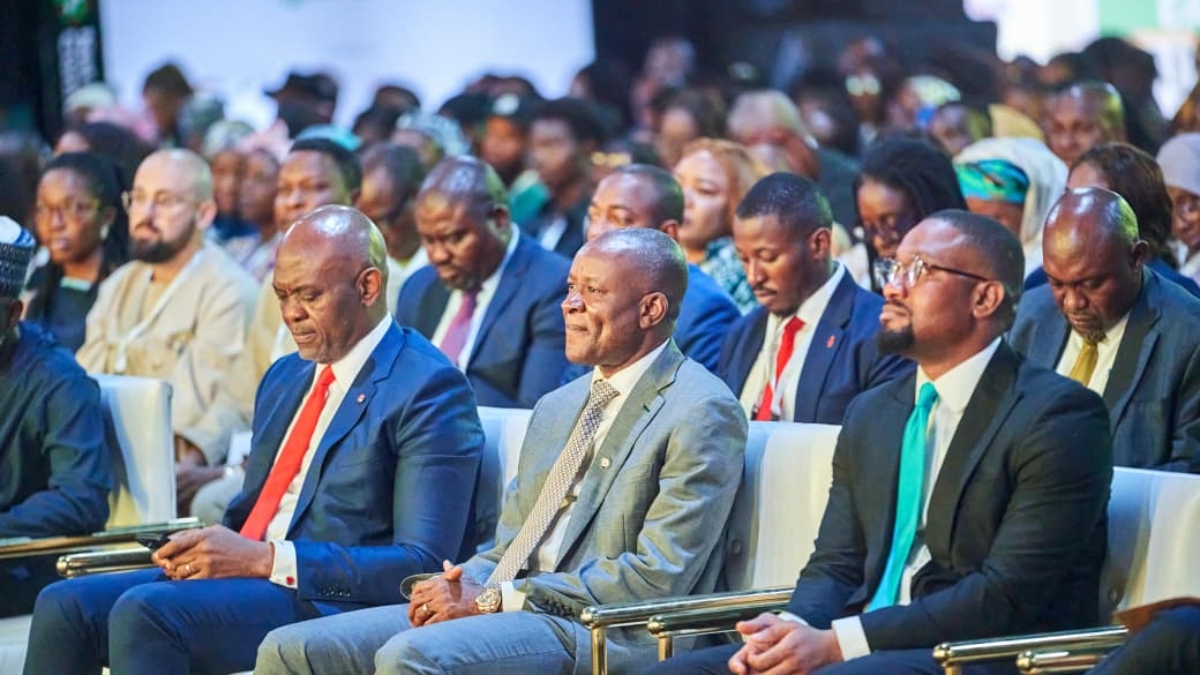
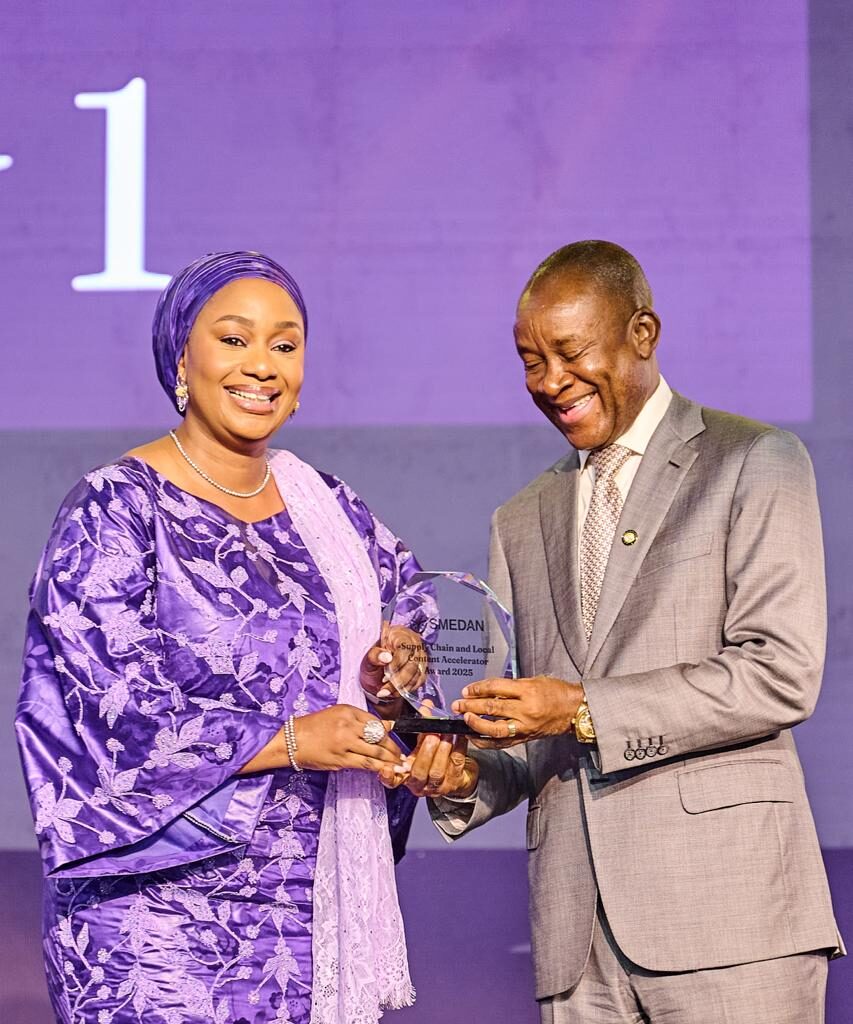
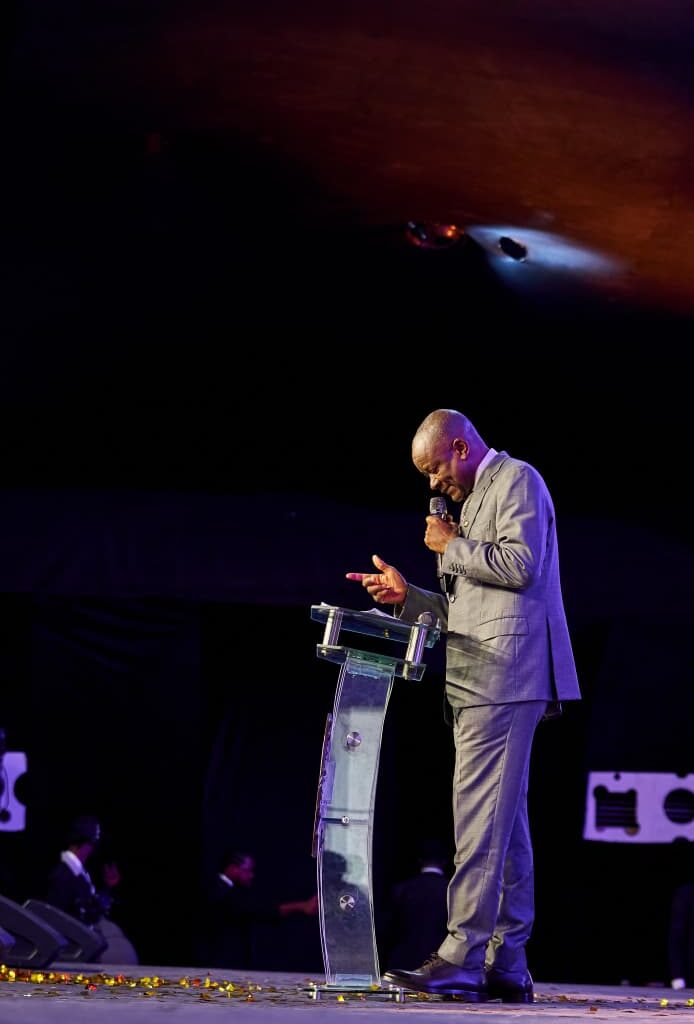
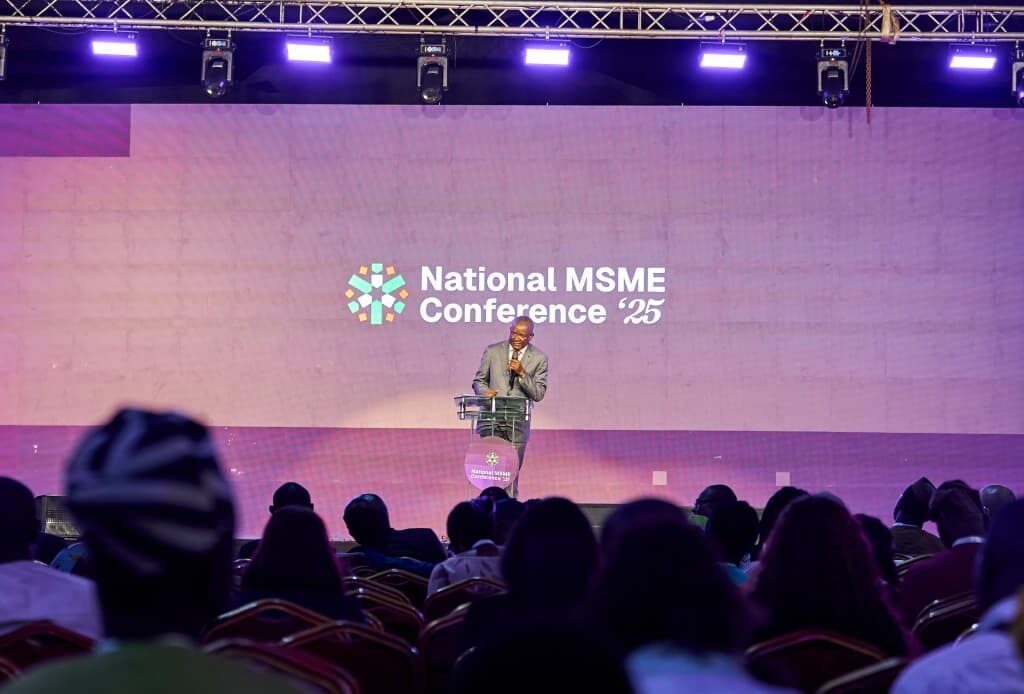
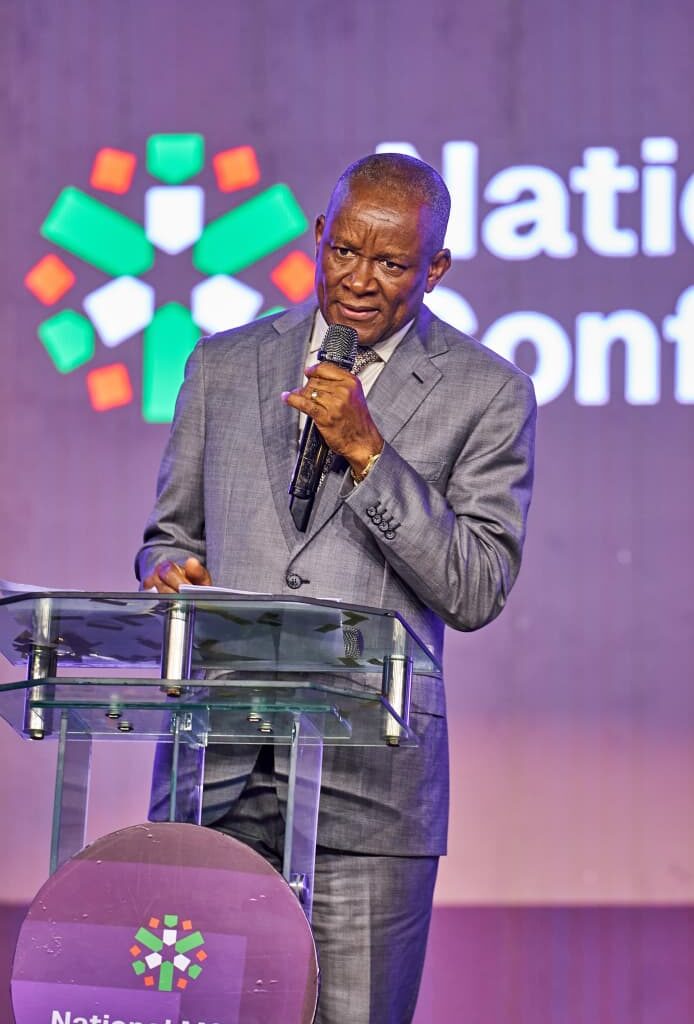
The Honourable Minister of State for Industry, Senator John Owan Enoh, yesterday joined top government and private sector leaders at the 2025 National MSME Conference held at the Federal Palace Hotel, Lagos.

The high-profile gathering, hosted by the Small and Medium Enterprises Development Agency of Nigeria (SMEDAN) under its “Grow Nigerian” initiative, focused on the theme: “Building a Future of Innovation, Resilience and Prosperity.”

Also in attendance were renowned entrepreneur and Chairman of UBA, Tony Elumelu; the Honourable Minister of Women Affairs; representatives of the Lagos, Kaduna and Cross River State Governments; heads of major Business Membership Organisations (BMOs); and several captains of industry, financial institutions and development partners.

Senator Owan Enoh reaffirmed the Federal Government’s commitment to driving industrial expansion through MSME empowerment, noting that the subsector remains central to job creation, economic diversification and sustainable national growth.

The 3-day conference featured strategic policy sessions, exhibitions, innovation showcases and partnership engagements aimed at addressing challenges faced by entrepreneurs and unlocking greater access to finance, skills and markets.

Participants expressed optimism that the outcomes of the conference will translate into stronger support systems capable of accelerating MSME productivity and strengthening Nigeria’s overall industrial competitiveness.